

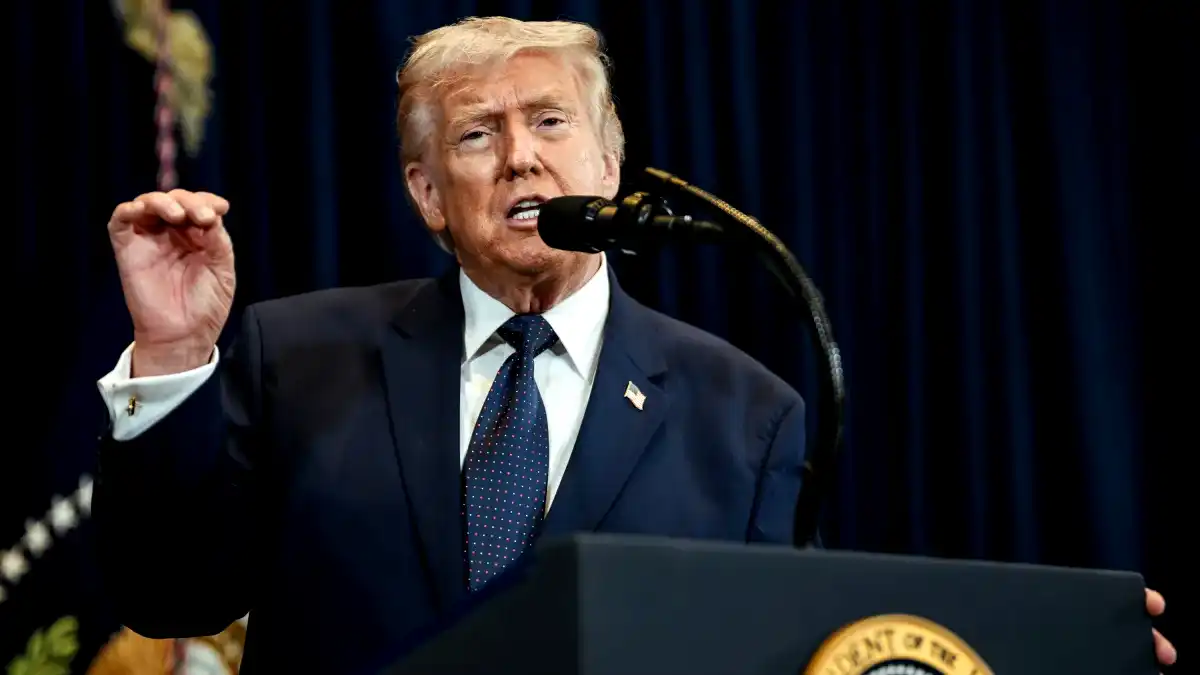
U.S. President Donald Trump plans to attend the upcoming North Atlantic Treaty Organization summit in Turkey this summer, signaling continued American commitment to the military alliance despite years of highly skeptical political rhetoric. In a television interview with Bloomberg on Tuesday, June 2, 2026, Turkish Foreign Minister Hakan Fidan revealed that Trump has confirmed his travel plans to Ankara. The high-profile gathering, scheduled for July 7 and July 8, 2026, will bring together heads of state from all member countries. This official visit represents a major diplomatic milestone for Turkey and provides the alliance with a vital opportunity to project a unified front as global security challenges continue to mount.
The confirmation of Trump’s travel plans follows several weeks of direct, high-level diplomatic coordination between Washington and Ankara. Fidan disclosed that Turkish President Recep Tayyip Erdogan spoke with Trump by telephone on multiple occasions last month to finalize the details of the upcoming visit. During each of these personal conversations, the U.S. president reaffirmed his firm intention to attend the NATO summit in Ankara. This direct line of communication between the two leaders highlights Turkey’s growing influence as a key mediator within the alliance, capable of bridging the gap between Washington’s demands and European security concerns.
Despite concerns among European diplomats that Washington might withdraw from the transatlantic treaty, Fidan emphasized that the United States remains deeply committed to its alliance obligations. Speaking during a diplomatic visit to Singapore, the Turkish foreign minister stated that Ankara has received absolutely no indication that Washington intends to act on its previous threats to leave the organization. Fidan noted that he discussed these issues with U.S. Secretary of State Marco Rubio during an informal meeting of NATO foreign ministers in Helsingborg, Sweden, in late May. During those discussions, Rubio offered no sign that the administration was considering a departure, reassuring allies that the State Department and the Pentagon continue to cooperate closely on joint defense operations.
While Washington remains committed to the core treaty, the Trump administration is continuing to exert intense pressure on its European allies to take greater responsibility for their own security. The U.S. is constantly pressing member states to rapidly increase their defense budgets, with NATO Secretary General Mark Rutte recently urging allies to establish a credible path toward a new 5% of gross domestic product (GDP) defense spending target. Fidan pointed out that European leaders have received this message clearly and are already taking concrete steps to boost their defense investments. When the leaders gather in Ankara, they will formally review this progress, transforming the summit into a critical accountability checkpoint for European defense readiness.
The upcoming July summit will take place against a highly volatile international backdrop, with NATO leaders facing multiple, simultaneous security crises. The war in Ukraine remains a primary operational challenge, with member states scrambling to secure sustainable military and financial assistance for Kyiv. At the same time, the alliance must navigate the far-reaching economic and logistical consequences of the Iran-U.S. conflict, which has severely disrupted global energy markets and effectively closed the strategic Strait of Hormuz. These overlapping crises have forced the alliance to focus heavily on supply chain security and maritime protection, making the Turkish capital a highly appropriate venue to address Middle Eastern and European security.
In his interview, Fidan also addressed the delicate diplomatic efforts currently underway to secure a lasting peace in the Middle East. He noted that Turkish intelligence has been actively monitoring the backchannel negotiations between Washington and Tehran, which are aiming to extend the temporary ceasefire that took effect on April 8 through Pakistani mediation. Fidan offered a cautiously positive assessment of the peace process, stating that both the American and Iranian administrations are currently making sincere, highly coordinated efforts to prolong the truce. Turkey has offered to act as a backup mediator if the current Pakistani-led diplomatic track stalls, leveraging its unique relationships with both Washington and Tehran.
However, the Turkish foreign minister raised a major warning flag, stating that continued military escalation in the region could easily derail these delicate peace talks. Specifically, Fidan warned that ongoing Israeli attacks targeting Hezbollah forces in southern Lebanon pose a significant risk that could undermine the diplomatic progress. Because Tehran views Hezbollah as a vital strategic partner, any further Israeli advances or strikes on Beirut’s southern suburbs could force Iran to walk away from the negotiating table. Fidan urged all parties to exercise maximum restraint, warning that a collapse of the current ceasefire would drag the entire region back into an all-out war.
To host an event of this extraordinary scale, the Turkish government is preparing to transform its capital city into an absolute security fortress. Local authorities in Ankara are coordinating with national security agencies to implement unprecedented safety measures, including temporary flight restrictions, armored motorcades, and the deployment of thousands of specialized police officers. The influx of high-profile global leaders, including the American delegation, presents a massive logistical challenge for local infrastructure. However, Turkish officials remain confident that their extensive experience hosting major international summits will ensure a safe and highly successful event, boosting the country’s prestige on the global stage.
Whether European nations can successfully meet the new 5% spending target, or mediators can preserve the fragile Middle Eastern ceasefire, remains a critical question. However, by choosing to visit Ankara, Trump is signaling to both allies and adversaries that the United States is not ready to walk away from its global security commitments.















