

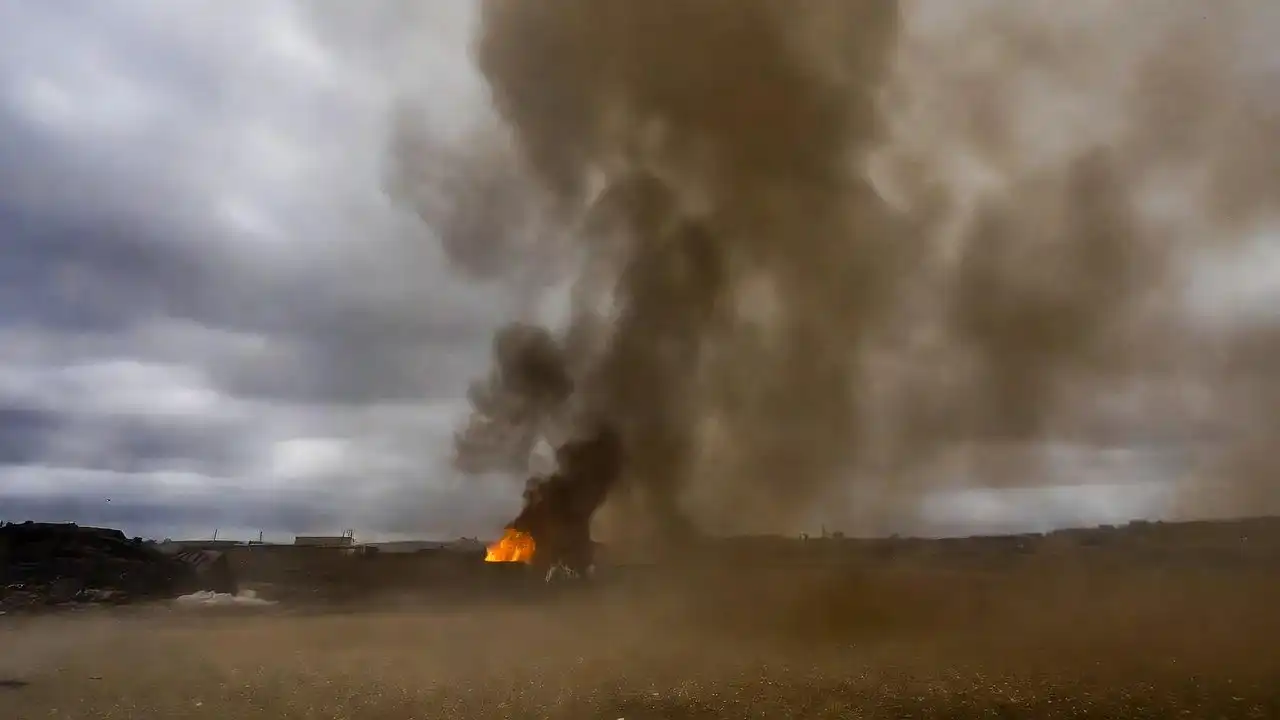
A breakthrough diplomatic effort in Washington has raised cautious hopes for a major de-escalation in the Middle East. On Thursday, June 4, 2026, the Trump administration announced that Israel and Lebanon had agreed to implement a new ceasefire following intensive, U.S.-mediated talks. This strategic development has immediately boosted Lebanon ceasefire hopes, as diplomats scramble to use the local truce as a springboard to end the wider, highly destructive U.S.-Israeli war against Iran. Because Tehran has repeatedly made a complete halt to the fighting in Lebanon a non-negotiable condition for any final peace agreement with Washington, implementing this border truce could provide the vital diplomatic off-ramp that both superpowers desperately need.
Despite the White House’s optimistic announcements, the truce’s robustness faced immediate and severe challenges from key military leaders on both sides of the border. On Thursday, Israeli Defense Minister Israel Katz cast deep doubt on the deal, declaring that the Israeli military will continue to strike targets in Lebanon for the time being and will not withdraw its ground forces from southern areas. Meanwhile, Hezbollah leader Naim Qassem publicly rejected the U.S.-brokered agreement. Qassem objected to the creation of special “pilot” security zones inside Lebanon where the Iran-backed militant group would be completely banned, highlighting that Hezbollah was not directly involved in the Washington negotiations.
The rejection from Hezbollah’s top leadership directly complicates the optimistic timeline laid out by Lebanese state officials. Earlier on Thursday, Lebanese President Joseph Aoun announced that the ceasefire would officially come into force within 24 hours, provided that all concerned parties approve the final terms. Aoun’s statement was a clear reference to Hezbollah, whose armed wing must comply with the agreement for any border truce to hold. Without Hezbollah’s formal consent and the withdrawal of Israeli troops, the diplomatic framework risks becoming a useless piece of paper, keeping the civilian population in southern Lebanon caught in a perilous holding pattern.
This high-stakes diplomatic maneuvering follows an incredibly violent and destructive 24-hour period of fighting across the region. On Wednesday, June 3, Israeli drone and air strikes killed at least six people in southern Lebanon. In response, U.S. and Iranian forces traded heavy fire in the Persian Gulf in one of the most intense military exchanges since a separate, temporary ceasefire halted large-scale U.S.-led bombing of Iran in early April. Iranian forces launched a devastating drone and missile attack that struck Kuwait International Airport, damaging terminal facilities and injuring dozens, while the U.S. military executed retaliatory precision strikes against Iranian military outposts near the Strait of Hormuz.
The news of a potential ceasefire in Lebanon had an immediate cooling effect on volatile global energy markets, which have been on a hair-trigger since the war began on February 28, 2026. Global oil prices lost some of their sharp gains from the previous day on Thursday as traders welcomed the prospect of a diplomatic breakthrough. Brent crude futures slipped slightly after climbing toward $97 a barrel on Wednesday, while West Texas Intermediate (WTI) crude moderated after surging past $94 a barrel. The vital Strait of Hormuz, which normally handles approximately 20% of global oil and liquefied natural gas shipments, remains largely closed to international shipping, making any progress toward a regional peace deal critical to preventing a global energy crisis.
Faced with immense domestic political pressure to bring down soaring fuel prices ahead of upcoming election cycles, U.S. President Donald Trump maintained an exceptionally optimistic tone. Speaking to reporters in the White House’s Oval Office on Thursday, Trump suggested that negotiators could achieve a breakthrough in peace talks with Iran as soon as this weekend. Trump asserted that if a deal materializes, it could happen over the weekend, though he declined to provide specific details on the exact terms. He emphasized that U.S. diplomats are actively working to separate the highly complex issue of reopening the Strait of Hormuz from the ongoing land conflict in Lebanon.
Trump also directly contradicted Hezbollah’s public rejection of the ceasefire, claiming that the militant group had reached out to his administration to end the fighting. The president told reporters that Hezbollah had called his team to ask about stopping the hostilities. He expressed his sincere desire to see peace return to Lebanon, describing the country as a long-term underdog that has suffered under constant conflict for decades. Trump added that he has held direct, personal conversations with Israeli Prime Minister Benjamin Netanyahu, Lebanese leadership, and intermediaries representing Hezbollah to construct a comprehensive, lasting regional settlement.
However, the diplomatic rhetoric coming from Tehran remains far more cautious and confrontational. Iranian Foreign Minister Abbas Araghchi stated on Wednesday that while lines of communication with the United States remain open, negotiators have made “no tangible progress” toward a final agreement. Araghchi also issued a stern warning to Tel Aviv, declaring that any Israeli strike on the Lebanese capital of Beirut would immediately trigger a “full-scale resumption” of the wider U.S.-Iran conflict. This firm warning underscores Tehran’s insistence that any lasting peace deal with Washington remains entirely contingent on the complete cessation of Israeli military operations against its regional allies.
The intense pressure to secure a regional peace deal has also strained relations between Washington and its closest ally, Israel. In his recent podcast comments, Trump acknowledged that he had called Prime Minister Benjamin Netanyahu “crazy” during a highly heated, expletive-filled phone call regarding the military operations in Lebanon. Trump revealed that he told the Israeli leader in no uncertain terms that they must stop the fighting to allow the broader U.S.-Iran negotiations to succeed. Netanyahu later downplayed the reported clash in a CNBC interview, explaining that while he and Trump occasionally have tactical disagreements, they remain in complete agreement on the main strategic goal of preventing Iran from acquiring nuclear weapons.
Ultimately, the newly agreed Israel-Lebanon ceasefire represents a vital but highly precarious step toward regional stability. While the agreement has successfully raised hopes for a broader peace deal between the United States and Iran, the public rejections from Hezbollah and the continued strikes by the Israeli military show that the path to peace is filled with obstacles. Until negotiators can successfully bridge the gap between Trump’s optimistic weekend timeline and the stark military realities on the ground, the region will remain on the brink of all-out war. The coming days will prove critical as the world watches to see if diplomacy can finally silence the guns.















