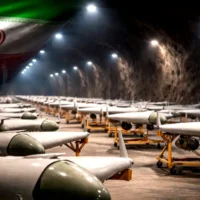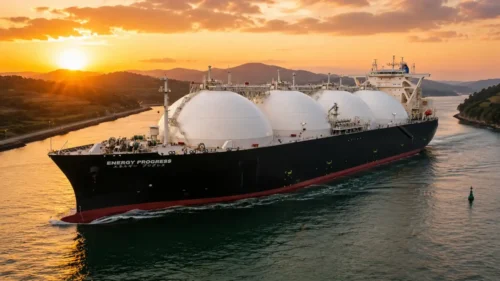

Global energy markets have completely defied the dark predictions of a historic economic crisis. When geopolitical tensions in the Middle East escalated, leading to the closure of the strategic Strait of Hormuz and a direct military conflict with Iran, prominent financial analysts warned of a massive disaster. Many experts predicted that oil would easily skyrocket to $150 or even $200 a barrel, sparking high inflation across the globe. Instead, crude oil prices have remained surprisingly stable, trading within a manageable range of $80 to $98 a barrel. This relative calm exists because the global energy system deployed a highly effective combination of financial, political, and physical buffers to keep prices grounded.
The first and most immediate buffer came from a coordinated international emergency response. When the conflict originally disrupted shipping lanes, the International Energy Agency (IEA) acted with unprecedented speed. The agency organized the release of 400 million barrels of crude oil from the strategic reserves of its member nations. To stabilize the market, over 250 million barrels of this emergency supply flooded international logistics networks almost immediately. This massive oil injection successfully neutralized the daily loss of roughly 13 million barrels of crude caused by the Persian Gulf blockades. By doing so, the IEA prevented a vertical price spike and gave global refiners enough time to find alternative suppliers.
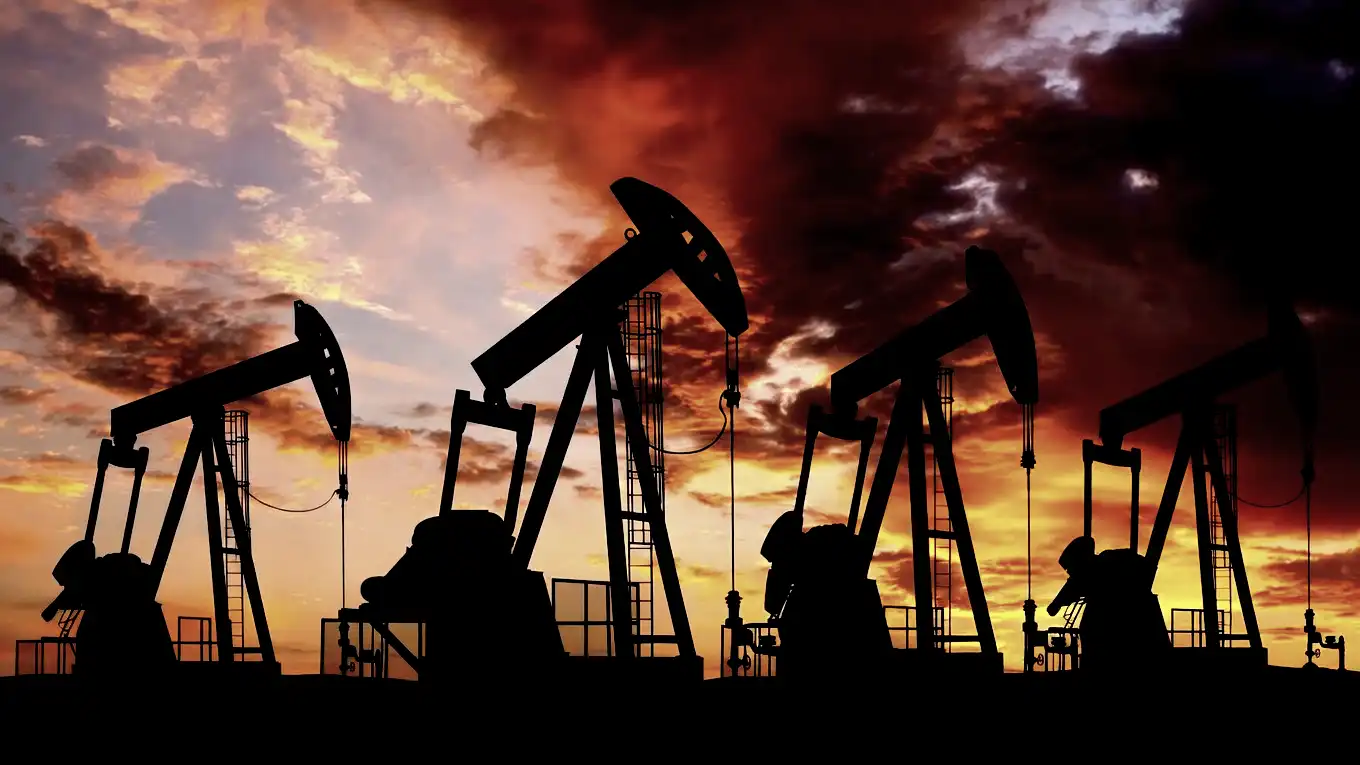
At the same time, a structural surge in non-OPEC+ oil production has broken the traditional cartel monopoly on global energy pricing. Western hemisphere producers have unleashed a massive wave of crude supply, effectively insulating global buyers from Middle Eastern shocks. Leading the charge, the United States has ramped up domestic production to an all-time high of over 13.5 million barrels per day. Parallel production surges from emerging energy heavyweights such as Canada, Brazil, and Guyana have also added millions of additional barrels to the market. This coordinated surge in supply has fundamentally reshaped the global energy architecture, making it far more resilient to localized geopolitical crises.
China has also played a surprising and vital role in keeping oil prices from exploding. Before this crisis, most macroeconomists assumed that a major supply disruption in the Middle East would force China, the world’s largest energy consumer, into a frantic buying spree on the open spot market. Such panic buying would have easily pushed global prices to the $200 mark. Instead, Beijing has remained remarkably quiet, largely staying away from global spot purchases. Over the preceding years, China quietly built up massive, highly secretive strategic energy inventories. These domestic stockpiles have allowed Chinese refineries to maintain high production levels and support the country’s economic stability without triggering a global bidding war.
Pragmatic diplomacy and temporary policy shifts in Washington also provided crucial relief to the global shipping sector. To prevent a severe domestic fuel crisis and protect consumers from rising retail prices, the U.S. government quietly eased energy sanctions. Washington issued temporary waivers and de-sanctioned millions of barrels of Russian and Iranian crude already in transit across the global oceans. By allowing these “shadow” barrels to enter formal maritime trading networks legally, the U.S. immediately increased the available supply of heavy crude. This pragmatic decision provided a vital lifeline to complex refineries in Europe and Asia, helping keep global fuel production steady.
The market also benefited from a natural economic correction known as demand destruction. Earlier in the spring, as geopolitical anxieties initially pushed crude prices toward the $115-$130 range, the global economy quickly corrected itself. Industries quickly initiated aggressive energy-saving measures to cut operational expenses. Commercial airlines canceled expensive routes, logistics companies consolidated cargo runs, and heavy manufacturing plants scaled back their operations. This rapid, automatic drop in global oil consumption neutralized the physical shortages required to sustain high prices, proving that expensive oil ultimately carries the seeds of its own destruction.
While these structural and political factors have blocked a devastating $200 spike, energy experts warn that the current cushion is thinning rapidly. Commercial and strategic oil inventories worldwide have been drawn down to levels significantly below their historical five-year averages. The emergency releases have successfully bought time, but they have also left global storage tanks dangerously empty. If current diplomatic efforts and fragile ceasefires fail, the global market will no longer have these emergency reserves to rely on. Major oil executives warn that once these storage volumes deplete entirely, a delayed price spike to $150 or $160 remains a distinct possibility before global production can fully normalize.