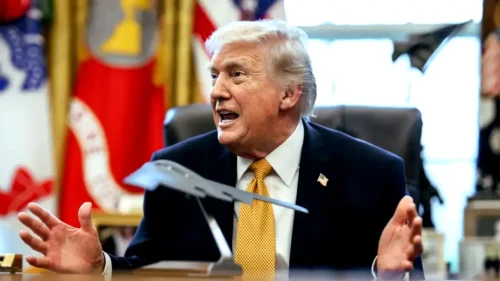

A wave of fresh polling data has revealed a significant decline in public approval for President Donald Trump, yet his core base of supporters remains fiercely loyal. On June 3, 2026, the Marquette Law School Poll released a national survey showing that Trump’s overall approval rating has slipped to just 38%. This drop comes as the administration grapples with the economic fallout of the war with Iran, which has driven up the cost of living and sparked widespread frustration over rising energy costs. Despite these mounting challenges, interviews with dedicated conservative voters reveal why they refuse to abandon the president during this difficult political stretch.
The slipping numbers highlight a growing public anxiety over the state of the American economy. According to the latest Marquette survey, Trump’s approval on handling the economy has plummeted to 30%, while only 22% of respondents approve of his handling of inflation and the cost of living. Furthermore, an overwhelming 95% of Americans reported that gas prices have risen, while only 19% approve of the president’s energy policies. As the military conflict in the Middle East continues to drag on, only 18% of adults believe the United States has successfully achieved its goals in Iran, and only 28% believe the war has been worth the immense financial and human cost.
Despite these bleak economic indicators, many loyal voters explain that their support transcends simple policy agreements. For these individuals, sticking with Trump is less about his daily performance and more about a deep opposition to the Democratic Party. Decades of political polarization and negative partisanship have created a mindset where abandoning Trump feels like handing an unearned victory to the political establishment. Many voters express the belief that the mainstream media and political opponents have unfairly targeted the president since his first day in office. Defending Trump has effectively become a core part of their political identity, making it nearly impossible for them to abandon him.
The poll results confirm that Trump still wields immense influence over the Republican electorate, particularly in primary contests. Even as his overall approval numbers slide among the broader public, 71% of all Republicans state that they would vote for a primary candidate whom Trump endorses over an incumbent whom the president opposes. This kingmaker status was on full display in recent primary elections in Indiana, Louisiana, Kentucky, and Texas, where Trump-backed challengers successfully ousted Republican incumbents who had broken ranks with the administration. This tight grip on the party machinery ensures that Republican lawmakers remain hesitant to distance themselves from the president.
However, the data also exposes a growing division within the Republican coalition itself. Trump’s support is strongest among voters who identify closely with the MAGA movement. Among this group, a staggering 93% approve of the job Trump is doing as president, and 87% would vote for any candidate he endorses in a primary. In sharp contrast, among the 28% of Republicans who do not favor the MAGA movement, Trump’s approval rating falls to just 36%. Within this non-MAGA segment, only 30% would back a Trump-endorsed candidate, while 48% would actively vote for an incumbent whom Trump opposes.
Many supporters also argue that the current economic pain is not entirely Trump’s fault. While a Politico survey showed that 46% of Americans blame Trump for the current high cost of living, his core base continues to point the finger at previous administrations and global events beyond the White House’s control. They believe that the war with Iran and international supply chain disruptions are the primary drivers of inflation, rather than the president’s aggressive tariff policies. By framing the economic challenges as external shocks, loyalists can easily rationalize their continued support even as they feel the direct squeeze of rising prices at the grocery store and the gas pump.
Another key factor keeping these voters in Trump’s camp is his enduring appeal as an anti-establishment messenger. For millions of working-class Americans, the political system in Washington has failed them for decades, regardless of which party held power. They view Trump as a bold fighter who is willing to disrupt traditional norms and challenge elite institutions on behalf of ordinary citizens. Even when they disagree with his specific decisions or his aggressive rhetoric, they still prefer his disruptive style over a return to conventional politics, which they believe ignores their economic grievances.
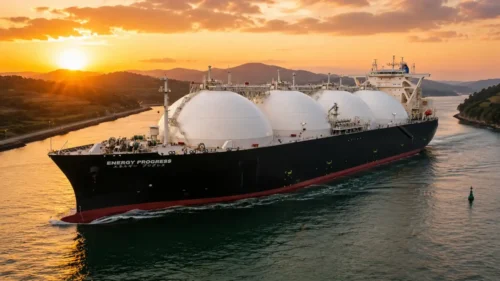
The domestic political struggle is taking place against a backdrop of severe global instability. The ongoing blockade of the Strait of Hormuz has severely restricted global oil transits, forcing the International Energy Agency to release 400 million barrels of strategic reserves to prevent prices from hitting $200. While these emergency measures kept oil prices in the $80 to $98 range, the strategic cushion is thinning rapidly. Many voters believe that only a strong, unpredictable leader like Trump can project the necessary military deterrence to force Iran to turn over its nuclear materials and safely reopen the global shipping lanes.
As the 2026 midterm elections approach, the widening gap between Trump’s declining national approval and his solid support among core Republicans will shape the political landscape. While independent and moderate voters are increasingly drifting away due to economic anxieties and the prolonged war, the Republican base shows no signs of fracturing. For these loyalists, the choice is not about approving of every policy; it is about standing firm in a highly polarized environment. Until a viable alternative emerges that can capture the imagination of the conservative movement, Trump’s most faithful followers will likely continue to stick by him, regardless of how low his poll numbers slide.