

The United States government has launched a highly provocative economic campaign that could permanently derail fragile peace talks in the Middle East. On Saturday, June 6, 2026, a source familiar with the matter revealed that the U.S. Treasury Department is actively exploring plans to seize and redirect Iranian financial assets to fund reconstruction and repair efforts in Gulf allied nations. This dramatic proposal comes immediately after a devastating wave of Iranian missile and drone strikes targeted civilian and military infrastructure in Kuwait and Bahrain. If implemented, this asset redirection strategy will mirror the legal and financial measures that Western powers previously used against frozen Russian assets following the invasion of Ukraine.
U.S. Treasury Secretary Scott Bessent has taken the lead in coordinating this aggressive new financial strategy. According to the source, Bessent recently directed a specialized team of economists and legal experts to assess the exact costs of the physical damage that Iranian forces have already inflicted on Gulf allies. A senior Trump administration official confirmed that the Treasury Department intends to utilize every available legal mechanism to transfer these seized funds directly to Gulf states. Furthermore, Washington plans to hold these assets in reserve to cover the costs of any future destruction that Iranian military operations might cause.
This sudden financial move introduces a highly contentious issue into already gridlocked diplomatic negotiations. Just one day before the U.S. announced its asset seizure plan, Mohsen Rezaei, a senior adviser to Iran’s Supreme Leader, told reporters that any peace agreement to end the three-month war depended entirely on the release of $24 billion in Iranian assets currently held by the United States. Instead of releasing these vital funds to ease Tehran’s economic isolation, Washington’s plan to permanently redirect the money to its regional allies essentially crushes any near-term hope of a negotiated diplomatic settlement.
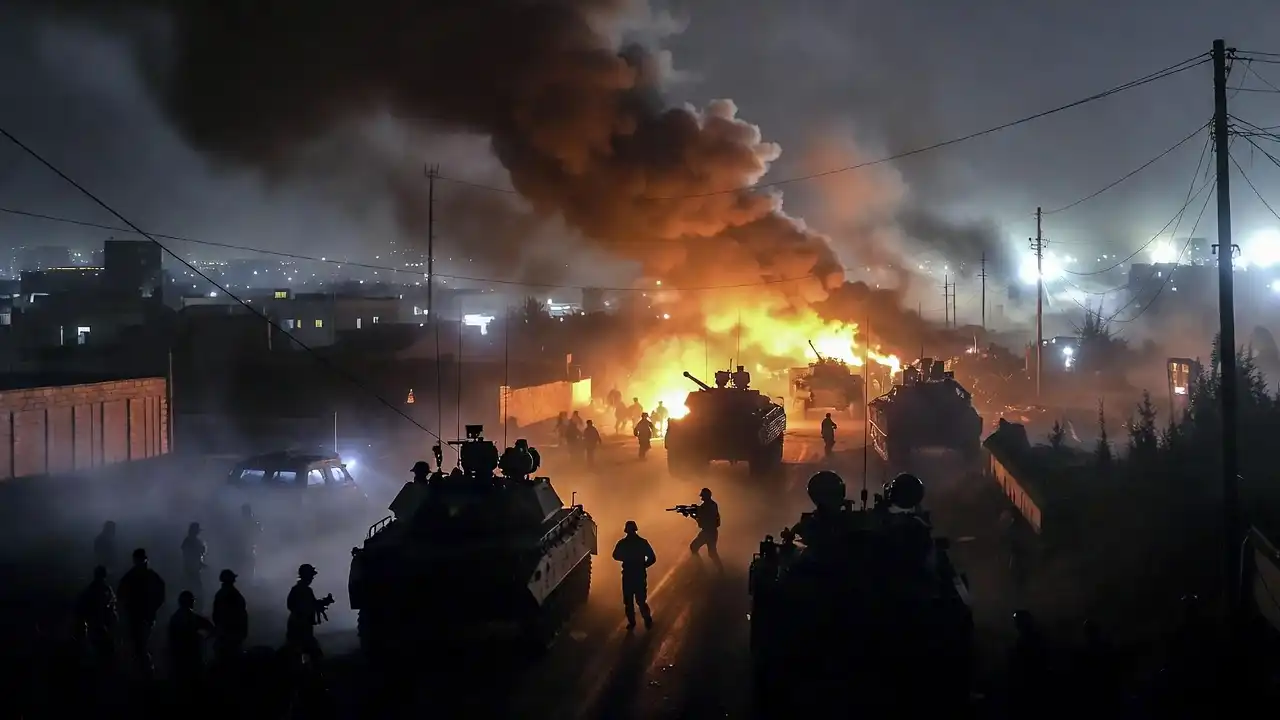
The U.S. proposal directly responds to a massive escalation in the physical conflict over the weekend. Early on Saturday, the Islamic Revolutionary Guard Corps launched a highly coordinated wave of attacks against Gulf nations. In Kuwait, the military had to engage seven Iranian ballistic missiles that flew over densely populated residential areas. While the interceptions prevented casualties, shrapnel from the falling bombs caused significant material damage, particularly at Kuwait International Airport. Meanwhile, in Bahrain, air raid sirens forced residents to seek immediate shelter as explosions rocked areas near U.S. military installations, causing widespread panic and local destruction.
The physical clashes also extended to direct engagements between U.S. and Iranian forces in the strategic Strait of Hormuz. Early on Saturday, U.S. Navy warships and fighter jets launched retaliatory strikes against Iranian coastal radar installations located on Qeshm Island and in the town of Goruk. U.S. Central Command stated that its forces destroyed these surveillance sites because Iran was using them to track and target commercial shipping lanes. Later in the evening, U.S. forces shot down two additional Iranian one-way attack drones over the waterway, further demonstrating that the temporary ceasefire agreed to on April 8, 2026, exists now only in name.
As the physical and economic conflict intensifies, international mediators are scrambling to prevent a slide into total regional war. Pakistan’s Interior Minister, Mohsin Naqvi, arrived in Tehran on Saturday on a high-stakes diplomatic mission. Naqvi carried a personal letter from the Pakistani government addressed to Iran’s Supreme Leader, Ayatollah Mojtaba Khamenei, urging the Iranian leadership to honor the ceasefire and return to the negotiating table. However, regional diplomats express deep skepticism about these mediation efforts, noting that Washington’s aggressive push to seize Iranian funds will likely harden Tehran’s resolve and block any meaningful diplomatic compromises.
The Treasury Department has not yet publicly specified exactly which Iranian assets it is targeting for seizure. However, senior officials hint that the scope of these new measures extends far beyond the $24 billion in frozen funds currently held in Western banks. The language of the new directives suggests that the U.S. government is examining various international accounts, commercial interests, and cargo ships linked to the Iranian state. By targeting a broader pool of assets, Washington hopes to establish a substantial reconstruction fund that can fully cover the mounting damage suffered by Kuwait, Bahrain, and other regional partners.
This escalating economic warfare has sent fresh shockwaves through global markets, which are already struggling under the weight of a prolonged energy crisis. The ongoing military standoff in the Strait of Hormuz has forced international shipping companies to reroute their vessels, causing global shipping costs to spike. While the International Energy Agency’s release of 400 million barrels of strategic reserves initially kept global oil prices in the $80 to $98 range, the threat of an expanded financial war could quickly trigger a severe new energy crunch, potentially driving gasoline and food prices to record highs.
As the U.S. Treasury Department begins its formal assessment of the war damage, the Middle East remains locked in a dangerous cycle of economic and physical retaliation. The proposed redirection of Iranian funds represents a fundamental shift in how Washington intends to handle hostile regimes, utilizing economic assets directly as war reparations. While this strategy protects U.S. allies from the financial burdens of reconstruction, it also closes the door to traditional diplomacy. Until either Washington relaxes its financial stranglehold or Tehran halts its missile campaigns, this volatile conflict will continue to threaten both regional stability and the global economy.















