

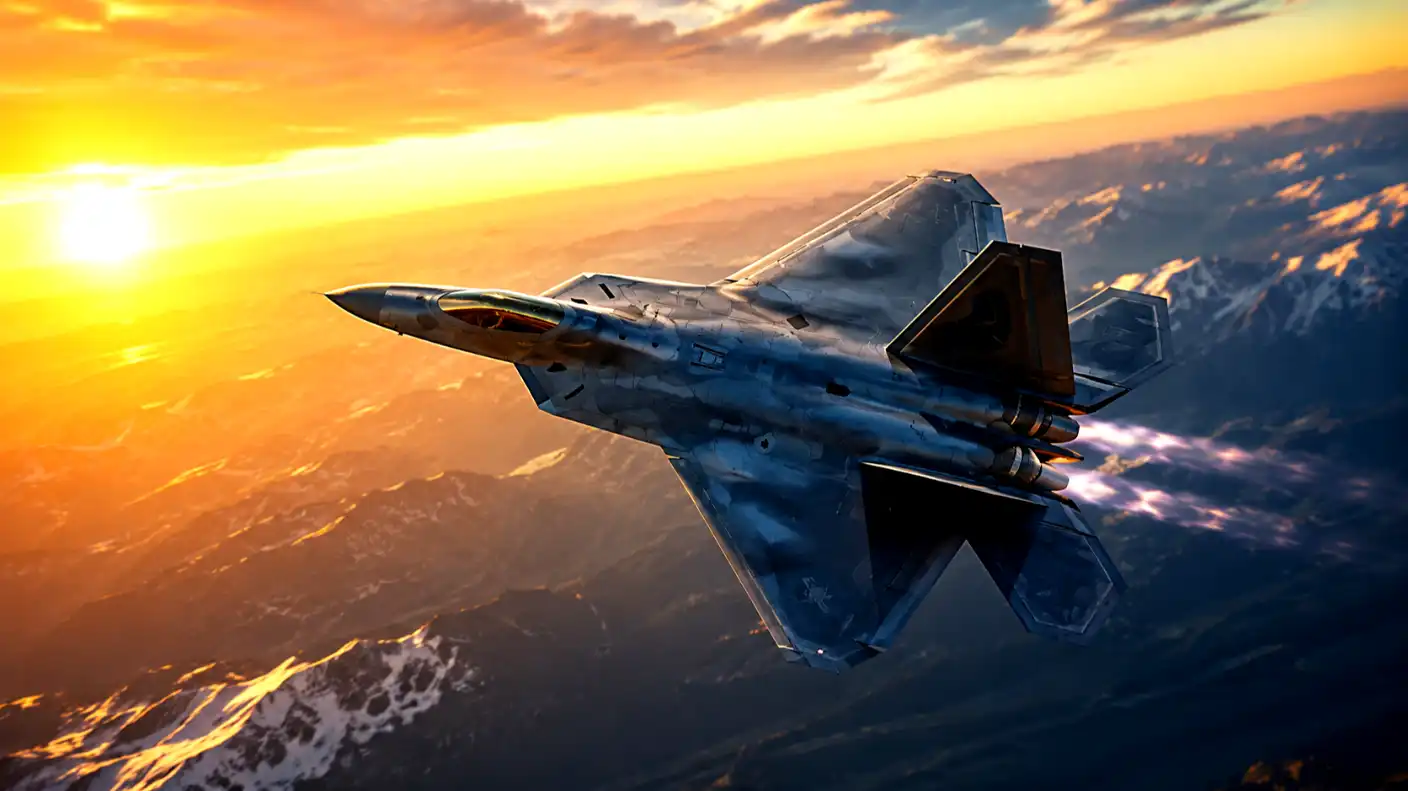
The European Union’s defense ambitions suffered a massive blow when France and Germany agreed to scrap their joint sixth-generation fighter jet program. German Chancellor Friedrich Merz and French President Emmanuel Macron reached a final, shared assessment that the industrial partners involved in the project could not find a way to work together. The decision officially terminates the core crewed fighter jet component of the Future Combat Air System (FCAS), ending years of political and industrial acrimony between Paris and Berlin. This collapse represents a bitter political defeat for proponents of unified European defense, leaving the continent fractured at a time of rising security threats from Russia.
The ambitious program officially began in July 2017, when French President Macron and former German Chancellor Angela Merkel launched FCAS as a flagship symbol of Franco-German defense cooperation and European strategic autonomy. The project aimed to develop a highly advanced sixth-generation crewed fighter jet that would operate alongside a swarm of armed and unarmed drone wingmen to replace France’s Rafale and Germany’s Eurofighter Typhoon jets by about 2040. Spain later joined the program as a third equal partner, contributing through its national defense electronics company, Indra Sistemas. With total estimated costs exceeding €100 billion (approximately $110 billion), the venture was the largest and most expensive defense program in European history.
The proximate cause of the program’s collapse was a fierce, irreconcilable dispute between the primary industrial partners tasked with building the jet. France’s Dassault Aviation and European aerospace giant Airbus, which represents German and Spanish interests, spent years locked in a bitter feud over work share, governance, and intellectual property. Dassault executives reportedly insisted on maintaining sole leadership of the fighter jet’s development to protect their sensitive proprietary technology. Meanwhile, Airbus pushed for a more equal partnership that would include significant technology transfers. Despite months of intense mediation, the relations between the executives deteriorated to the point where both sides actively lobbied for a split.
Beyond the corporate disputes, Paris and Berlin faced fundamentally different national security requirements, making a single joint aircraft impossible to build. The French Armed Forces required a carrier-capable aircraft that could land on their next-generation aircraft carriers and carry France’s airborne nuclear gravity weapons. In sharp contrast, the German military did not require carrier-based operations or nuclear gravity-delivery systems. Instead, Berlin was looking for a highly capable, long-range bomber. While Germany proposed building two separate, highly customized variants of the fighter jet to meet both nations’ needs, France flatly rejected the proposal, insisting on a single, unified European design.
The final decision to pull the plug on the project reflects German Chancellor Friedrich Merz’s increasingly pragmatic approach to national defense. Unlike his predecessors, Merz has repeatedly questioned whether developing a manned sixth-generation fighter jet makes practical sense for Germany’s air force, given the rapid rise of uncrewed technologies. The collapse of the program also underscores Germany’s growing strategic confidence as it embarks on a historic military build-up worth more than €750 billion by 2030. Rather than waiting decades for a troubled joint project, Berlin has chosen to prioritize immediate capabilities, including its recent acquisition of American F-35 stealth fighters.
Although the core fighter jet is officially dead, German and French officials insisted that other elements of the overarching FCAS network will survive. Chancellor Merz proposed that the partner nations, including Spain, continue to develop the “combat cloud jointly”—the software and communication architecture designed to connect weapons systems, aircraft, sensors, radars, and satellites in real time. This secure digital network will serve as a unified operational picture, or “nervous system,” for integrating existing and future European combat platforms. However, analysts remain highly skeptical that other planned components, such as custom drone wingmen and next-generation engines, can survive without the central crewed fighter jet at its core.
The abandonment of the joint jet project represents a severe blow to Emmanuel Macron’s long-term vision of European strategic autonomy. The French President has spent years arguing that Europe must reduce its heavy reliance on the United States for security and develop its own advanced, independent defense industrial base. The collapse of the flagship Franco-German partnership exposes the significant difficulties European states face in coordinating large-scale military procurement. With the UK, Italy, and Japan successfully moving ahead with their own rival sixth-generation fighter program, known as the Global Combat Air Program (GCAP), the European defense landscape looks increasingly fragmented.
As Paris and Berlin prepare to draft a new, scaled-back work plan for “defense industrial cooperation” that focuses on a few realistic, relevant projects, the aviation industry is already looking to the future. Analysts expect France to pursue development of a next-generation Rafale successor, either alone or with minor partners, echoing its historic decision to withdraw from the Eurofighter program in the 1980s. Germany, meanwhile, may deepen its interoperability with the American F-35 program or seek partnerships with other European nations, such as Sweden. Until European nations can align their military requirements and overcome industrial protectionism, the dream of a truly unified European air defense force will remain elusive.















