

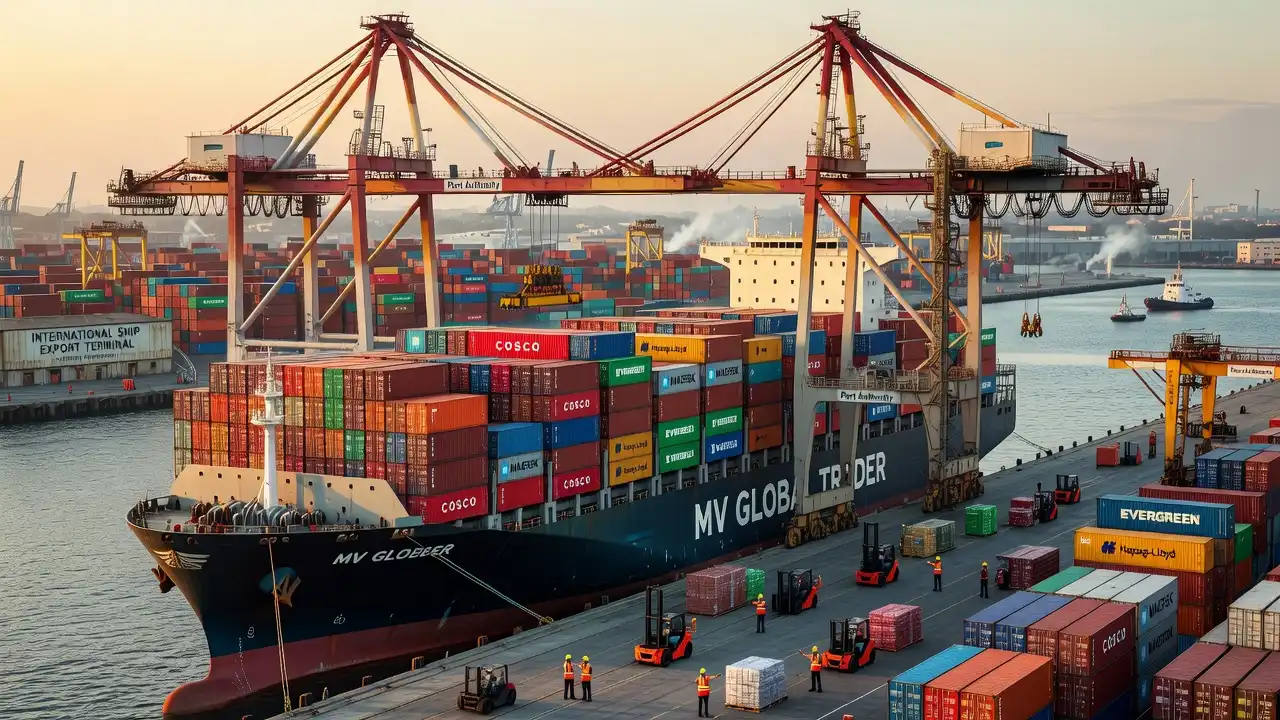
A massive fiscal crisis is unfolding within the United States Treasury as the federal government begins to return tens of billions of dollars in unlawfully collected trade duties. On Wednesday, June 10, 2026, court filings revealed that U.S. Customs and Border Protection (CBP) has already completed and approved approximately $22 billion in tariff refunds for American importers. This historic payout has effectively canceled out the government’s seasonal customs revenues, placing severe strain on the federal budget. The massive disbursement represents the initial wave of a much larger, court-ordered $166 billion refund program, following a landmark U.S. Supreme Court ruling that declared President Donald Trump’s emergency tariff policies unconstitutional.
While the government has begun distributing the initial $22 billion, a fierce legal battle has erupted over the remaining portions of the payout. Senior Judge Richard Eaton of the U.S. Court of International Trade in Manhattan is currently spearheading negotiations between Justice Department lawyers and frustrated importers. The central dispute concerns a “universal” refund order that Judge Eaton issued on March 4, directing the government to reimburse every affected company automatically. The Trump administration has formally appealed this universal order to the Federal Circuit, arguing that the court lacks the jurisdiction to issue nationwide injunctions.
The legal standoff centers on a narrow but highly significant pot of money representing older, “finally liquidated” entries. During a tense court hearing on Tuesday, June 9, 2026, a senior customs official confirmed that the government believes about $11.4 billion remains at issue in its appeal, while a Justice Department lawyer later put the disputed figure closer to $10 billion. The government contends that once a tariff entry becomes “finally liquidated”—meaning the 90-day voluntary reliquidation period has passed—CBP lacks the legal authority to reopen the files or refund the money. Under the government’s proposed guidelines, each importer would have to file a separate, costly federal lawsuit to obtain their refund.
To bypass the government’s restrictive legal maneuvers, a coalition of American businesses has moved to certify a comprehensive class-action lawsuit in the Court of International Trade. Led by advocacy groups like the Liberty Justice Center, importers argue that forcing thousands of small businesses to file individual lawsuits would make the refund process prohibitively expensive. Creating a single, certified class of all affected importers would give Judge Eaton a clear path to issue a single, binding order, simplifying the process and ensuring that smaller enterprises—which form the backbone of the economy—receive payment without incurring ruinous legal fees.
While the two sides clash in court, the financial burden on the U.S. Treasury continues to grow at an alarming rate. Under federal trade laws, the government must pay interest on all unlawfully collected duties, which is currently accumulating at a staggering rate of approximately $22 million per day. To handle the unprecedented volume of claims, CBP launched the Consolidated Administration and Processing of Entries (CAPE) system on April 20, 2026. The agency has already accepted nearly $100 billion in claims under Phase 1, which covers simpler, unliquidated entries. Additionally, officials expect to process an additional $29 billion in claims under Phase 2 later this year.
Despite the massive $166 billion pool of available cash, a surprising number of eligible companies risk receiving absolutely nothing. According to official figures released by CBP, only about 20% of the 300,000 eligible importers—approximately 57,000 companies—have successfully registered for the electronic payment system. Because the Trump administration has strictly prohibited the issuance of paper refund checks, companies must complete a complex electronic registration process to facilitate direct bank transfers. Business groups warn that many small enterprises lack the specialized customs brokers or legal staff required to navigate the bureaucratic portal, leaving billions of dollars unclaimed.
The refund race has also placed some of America’s largest publicly traded corporations in a highly delicate political position. Industry giants like Walmart, which is expecting a massive $10.2 billion refund, and Target, which stands to receive $2.2 billion, have maintained a careful silence in their recent regulatory filings. This discretion stems from fear of public shaming by President Trump, who has publicly labeled companies seeking refunds as unpatriotic and claimed that they “hate our country.” While Trump insists that foreign exporters paid his tariffs, empirical economic studies show that American importers and consumers bore the full financial burden of the tariffs.
As the legal battle over the final $10 billion moves to the appeals court, the massive tariff refund process represents a powerful lesson in the limits of unilateral executive authority. The cancellation of billions of dollars in customs revenues has exposed the immense fiscal risks of using blunt economic sanctions as tools of trade policy. For American importers, the successful recovery of their money is a vital matter of survival, especially as they navigate rising inflation and supply chain disruptions. Until the federal courts resolve the class certification and the government completes the payments, the $166 billion tariff refund race will remain one of the most volatile and closely watched financial disputes in the nation.















