

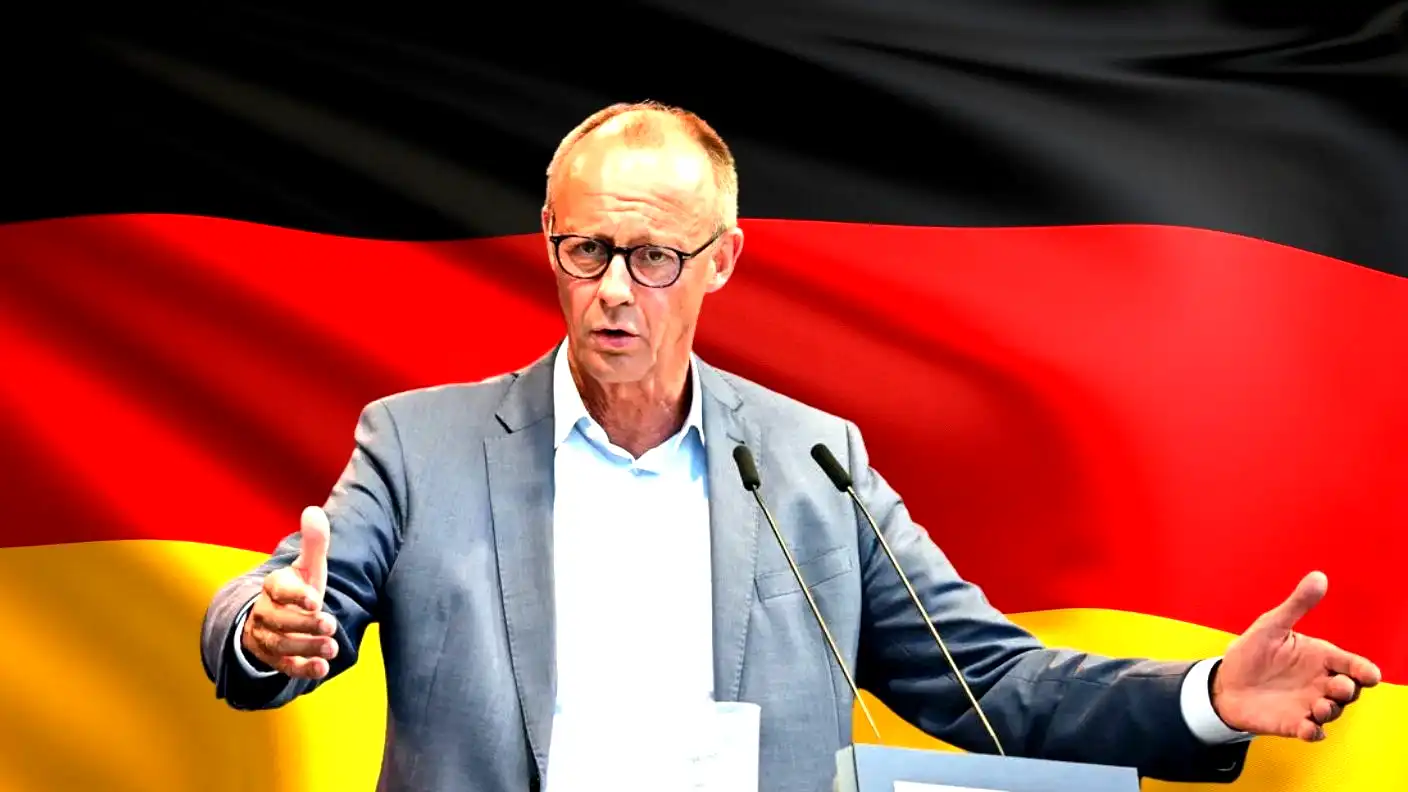
Germany’s long-standing reluctance to confront Beijing on trade matters is beginning to melt away in the face of a deepening domestic industrial crisis. Ahead of the upcoming European Union summit, German Chancellor Friedrich Merz has signaled a surprising openness to backing tougher, more defensive trade measures against China. The major policy shift comes as the European Commission in Brussels actively prepares a new, highly assertive “overcapacity instrument” to restrict the massive flow of state-subsidized Chinese goods into the European market. EU lawmakers who recently met with Merz revealed that the German Chancellor has become more pessimistic about Beijing than ever before, paving the way for a unified European trade defense.
This shift in Berlin represents a major turning point for European Union trade policy. Historically, Germany has been the loudest opponent of defensive trade measures against China, fearing that Beijing’s retaliatory tariffs would devastate its powerful automotive exporters. However, the country’s deepening manufacturing crisis has forced the Merz administration to reconsider its defensive baseline. Massive factory closures, rising unemployment, and declining competitive advantages have shattered the political consensus in Berlin, leaving German carmakers increasingly isolated in their defense of the status quo.
Germany’s industrial core, particularly its manufacturing and chemical sectors, has faced a devastating double squeeze over the past several months. The ongoing military conflict in Iran has severely disrupted global energy supplies, driving up energy costs and costing European chemical companies over $1 billion in unexpected operational overhead. At the same time, massive state-subsidized Chinese overproduction has flooded the market with cheap, undercut imports, eroding the competitive edge of European firms. Industry leaders warn that without immediate, decisive intervention from Brussels, substantial portions of the European chemical and steel sectors could disappear entirely.
To prevent a complete industrial collapse, the European Commission has accelerated work on its new “overcapacity instrument.” This strategic trade tool aims to curb the massive volume of state-subsidized Chinese imports, which currently represent more than 1.5% of the total European industrial market. Unlike traditional, narrow anti-dumping tariffs, this proposed mechanism would allow Brussels to implement broad, systemic restrictions on any foreign goods manufactured under market-distorting state subsidies. EU officials and senior trade diplomats held a crucial orientation debate on May 29, 2026, to finalize the instrument’s technical parameters before presenting it to the heads of state.
The urgency behind the new trade tool is visible in the staggering trade imbalance between the two economic giants. In just a few years, Germany’s trade relationship with China has shifted from a healthy, balanced exchange to a massive trade deficit of nearly €100 billion. According to calculations from the European trade database, China’s total trade surplus with the 27-member EU expanded by more than 40% in the opening months of the year. This massive deficit proves that China’s current economic model relies heavily on exporting its domestic overcapacity to foreign markets, effectively exporting market distortions that warp fair competition.
The prospect of sweeping trade barriers has created a deep division within the German business community. While steel, wind energy, and machine tool manufacturers have aggressively lobbied the government to support tougher measures, Germany’s massive automotive and chemical conglomerates remain highly cautious. Industry giants like the chemical producer BASF have publicly cautioned against sweeping trade barriers, warning that retaliatory tariffs from Beijing would immediately disrupt their extensive manufacturing investments inside China. This domestic corporate lobbying has slowed down the government’s decision-making process, forcing Merz to navigate a delicate path between industrial survival and export protection.
The shifting stance in Berlin aligns Germany more closely with Paris, which has long stood at the forefront of the campaign to protect European industries. The French government recently published a bleak economic assessment warning that the unchecked “Chinese steamroller” could completely crush key sectors of the European economy if Brussels fails to act. French President Emmanuel Macron has consistently argued that Europe must transform itself into an independent, self-reliant economic power rather than remaining a passive, open market. By securing Germany’s backing, Paris and Brussels can finally project a united, powerful front during upcoming international negotiations.
To coordinate their strategies, Chancellor Merz and President Macron plan to hold high-level, virtual talks with Beijing ahead of the official G7 leaders’ summit, scheduled to run from June 15 to 17 in France. France, which currently holds the G7 presidency, has made the fight against global trade imbalances a central theme of the upcoming summit. While some European diplomats observe that Berlin still lacks a fully unified domestic approach, they expect Merz to deliver a clear signal of support during his upcoming address to the Bundestag on June 11, 2026, before heading to the G7 meetings.
As the European parliament and trade commissioners prepare for a crucial fortnight of decision-making, the future of the continent’s industrial base hangs in the balance. Chancellor Merz’s shifting position on China trade policy proves that economic survival has finally triumphed over traditional export protectionism. While a full-scale trade war carries significant risks for Germany’s remaining exporters, the alternative—standing by passively while domestic industries disappear—has become politically untenable. Until Brussels can implement its new defensive tools and force a structural rebalancing of trade with Beijing, Europe’s economic security will remain under constant threat.















