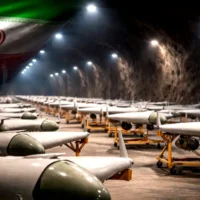


The economic prospects of the single-currency bloc have taken a sharp turn for the worse as the prolonged conflict in the Middle East continues to destabilize global commodity markets. On Thursday, June 11, 2026, a prominent Washington-based global lender significantly trimmed its Eurozone growth forecast for the current year while raising its expectations for consumer price inflation. The international financial body warned that the ongoing military conflict involving Iran has delivered a large and adverse supply shock to the European continent, keeping energy costs elevated and dampening consumer confidence.
Under the revised economic projections released on Thursday, the international financial body now expects the 21 countries that share the euro currency to expand by just 0.9% in 2026. This represents a notable downgrade from the 1.1% growth rate that the organization had previously forecast in April. At the same time, the global lender raised its annual inflation projection for the single-currency region to 2.8%, up from the 2.6% rate predicted two months ago. These consecutive downgrades highlight how quickly Europe’s economic momentum has weakened, turning a period of steady post-pandemic recovery into a difficult fight against stagflation.
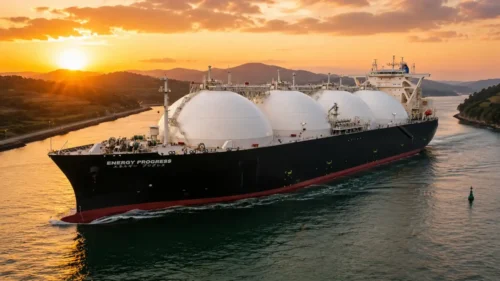
The primary driver of this sudden economic deterioration is the severe energy price shock triggered by the war in the Middle East, now in its fourth month. The virtual closure of the Strait of Hormuz has severely disrupted global shipping, curtailing seaborne oil flows by approximately 15% and liquefied natural gas shipments by 20%. This ongoing maritime blockade has forced European nations to purchase alternative, far more expensive fuel cargoes, shaving nearly 1.5% off the region’s overall trade GDP. These rising energy costs have immediately translated into higher utility bills and transportation fees, eroding the purchasing power of millions of European households.
The international financial body issued a stark warning to European finance ministers, outlining a much worse scenario if the Middle East conflict drags on. If energy facilities suffer further physical damage or if global supply chain bottlenecks persist, the single-currency bloc could easily slide toward a major economic recession. Under this highly adverse scenario, annual inflation across the Eurozone could spike to nearly 5.0%, forcing central bankers to implement extremely aggressive monetary policies. This prolonged stagnation would deal a devastating blow to the continent’s manufacturing and chemical sectors, which are already struggling to remain competitive amid high electricity prices.
The worsening inflation outlook has already forced the central bank of the single currency bloc to take decisive, restrictive action. On Thursday, the Frankfurt-based central bank raised its benchmark interest rate for the first time in nearly three years, aiming to keep long-term inflation expectations anchored. In a separate report published on the same day, the central bank’s own economists also cut their 2026 growth forecast to 0.8% and raised their inflation estimate to 3.0%. The global lender expects the central bank to implement a cumulative 50-basis-point increase in its policy rate by the end of the year, with a third rate hike remaining a distinct possibility if prices continue to rise.
Faced with these compounding economic challenges, the Washington-based global lender gave strict instructions to regional finance ministers regarding public spending. The organization warned governments against rushing to launch massive, uncoordinated public subsidy programs to cushion consumers from the impact of high energy bills. Officials emphasized that any financial support must remain highly targeted to protect only the most vulnerable households. Rushing to spend billions of dollars on broad, blanket subsidies would only increase public deficits, weaken fiscal sustainability, and ultimately fuel the very inflation that the central bank is trying to defeat.
The economic slowdown in Europe is part of a much larger, coordinated downshift in global economic activity. On Thursday, a prominent global development bank also cut its 2026 global growth forecast to 2.5%, down from its previous projection. The development bank warned that global growth could slow to a catastrophic 1.3% if the energy supply disruptions in the Middle East prove more severe and trigger substantial stress in international financial markets. The institution lowered its growth forecasts for two-thirds of the world’s countries, with the heaviest cuts affecting energy-exporting nations whose trade networks have suffered direct damage from the conflict.
The prolonged conflict is also spilling over into global agricultural markets, raising the threat of a severe food supply crisis. The high cost of natural gas—a critical chemical input for fertilizer production—has driven global fertilizer prices to record-breaking levels. Agricultural economists warn that this surge in chemical prices will significantly increase the cost of food production, potentially costing the global farming sector over $1 billion in additional operating expenses. If farmers scale back their fertilizer use to manage costs, crop yields will inevitably decline, triggering widespread food shortages and driving retail grocery prices to unaffordable heights.
As the war in the Middle East drags into its fourth month with no permanent settlement in sight, the global economy faces a long and difficult road to recovery. The sudden trimming of the Eurozone growth forecast proves that the economic price of war is always paid in rising inflation and lost prosperity. For European policymakers, the immediate challenge is to manage the delicate trade-off between fighting inflation and supporting a fragile economy. Until the international community can secure a permanent diplomatic treaty that reopens the Strait of Hormuz and restores the freedom of navigation, the entire global economy will remain locked in this volatile cycle of high energy prices, restricted trade, and slow growth.