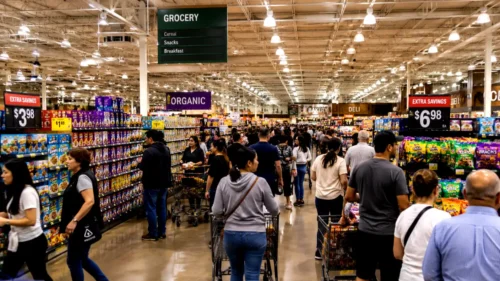

A rapidly expanding domestic fuel crisis has forced regional authorities across Russia into an emergency scramble to contain growing public panic. On Friday, June 12, 2026, local governments across the country launched a series of uncoordinated public campaigns to dispel rising concerns over a severe nationwide gasoline crunch. This spreading panic has triggered long queues of idling motorists and forced several commercial filling stations to shut down or ration sales. The sudden supply squeeze directly follows a relentless, months-long wave of Ukrainian long-range drone strikes targeting Russia’s major oil refining, processing, and storage infrastructure deep behind the front lines.
The geographical scale of the regional fuel crisis has expanded at an alarming rate over the past several days. According to independent industry trackers, gasoline shortages and supply disruptions have now spread to at least 25 sovereign Russian regions, representing a dramatic increase from just 15 regions on June 4. Additionally, similar severe fuel restrictions remain active across six temporarily occupied Ukrainian territories, including Crimea, Sevastopol, Luhansk, Donetsk, Kherson, and Zaporizhzhia. This rapid progression proves that the ongoing conflict is increasingly affecting ordinary Russian citizens, bringing the physical consequences of the war directly back to the domestic home front.
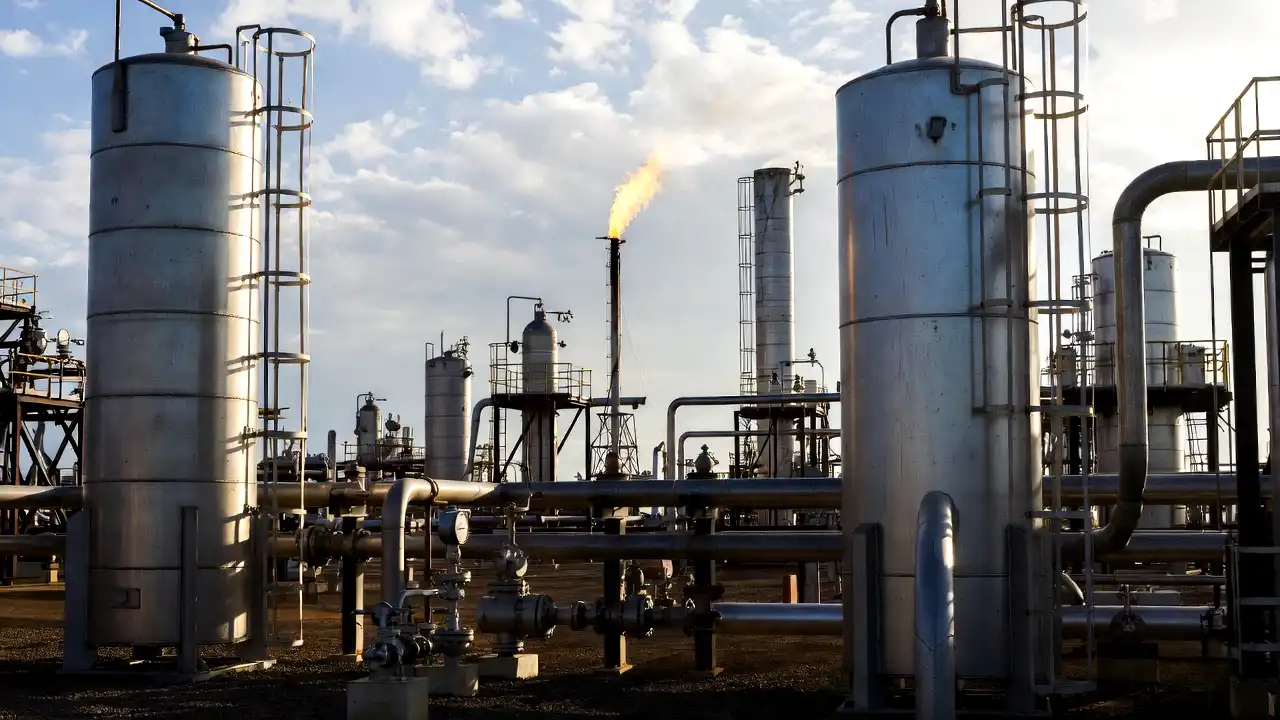
The primary driver of the fuel deficit is the extreme efficiency and frequency of Ukraine’s drone campaign against the Kremlin’s energy assets. Between January and May of 2026, Ukrainian drone units successfully struck Russian oil refineries and depots 38 times, with 16 of those strikes occurring in May alone—the highest monthly total of the four-year-old war. Data from independent energy analysts reveal that Russian oil refinery loading and utilization have plummeted by 14% since the beginning of the year. This persistent bombardment has left overall refining capacity running approximately 20% below pre-war levels, dropping domestic fuel production to its lowest level since 2009.
Confronted with the sudden shortages, regional governors have responded with sharply conflicting public assessments, only increasing public confusion. In the southern Krasnodar region, which borders the Black Sea, Governor Veniamin Kondratyev publicly downplayed the crisis, describing the long lines at gas stations as “artificial hype” and temporary panic buying. However, local residents quickly mocked Kondratyev’s claims on social media, pointing out that several smaller gas stations in the southwest of the province had already closed down completely due to a lack of fuel. In sharp contrast, the acting governor of the neighboring Belgorod region, Alexander Shuvaev, took a much more realistic path, openly acknowledging the fuel shortage and banning Rosneft stations from filling portable containers with AI-92 gasoline as a necessary “safety measure.”
The fuel crisis has hit the occupied Black Sea peninsula of Crimea and the naval port of Sevastopol particularly severely. To prevent a complete collapse of local transport, the Russian-installed governor of Sevastopol, Mikhail Razvozhaev, tightened gasoline rationing rules, completely suspending cash sales of gasoline and implementing a strict 20-liter limit per person. Motorists wishing to purchase fuel must now obtain specialized QR codes linked directly to their vehicle license plates to facilitate their purchases. Razvozhaev publicly appealed to motorists to remain calm, urging them to check fuel availability online before driving to the pumps.
The severe supply constraints have also triggered skyrocketing fuel prices across Crimea, far outpacing inflation on the Russian mainland. In early June, the retail price of standard AI-92 gasoline on the peninsula surged to approximately 82 rubles per liter ($1.04), compared with a much lower mainland average of 69 rubles ($0.88) in Moscow. At the same time, high-octane AI-95 gasoline reached nearly 90 rubles per liter ($1.14) in Crimea, while prices in the capital remained stable around 75 rubles ($0.95). These extreme price gaps have placed an immense economic burden on local families and small businesses, eroding their purchasing power.
The timing of the fuel crunch could not be more disastrous for Russia’s regional economies, occurring right as the country marks the “Russia Day” national holiday on Friday, June 12, 2026. This major holiday traditionally signals the official start of the summer vacation season, when millions of Russian families drive to the southern resort regions of Krasnodar and Crimea to visit popular beaches. The severe fuel shortages and gas station closures now threaten to derail these summer travel plans, devastating the tourism-dependent regions that rely on vacationers for the vast majority of their annual revenue.
In a rare public acknowledgment of the crisis, the central government in Moscow has intervened to stabilize domestic fuel markets. During an emergency cabinet meeting, Russian Deputy Prime Minister Alexander Novak advocated developing a comprehensive regional fuel market forecasting system. The proposed forecasting system, which will cost almost 1.5% of the total annual energy budget to implement, will help identify potential distribution bottlenecks before they occur. Novak emphasized that the energy ministry must develop a detailed forecasting model to identify these bottlenecks, enabling the government to implement timely preventive measures. The Kremlin has also considered implementing temporary, emergency export bans on all petroleum products to ensure domestic demand is met.
As the full-scale war continues, the rapid expansion of the regional fuel crisis demonstrates that the conflict has entered a highly unpredictable phase. The successful destruction of Russia’s domestic energy infrastructure, which has cost the state over $1 billion—specifically billions of dollars in industrial damage—proves that Ukraine’s asymmetric drone strategy is slowly grinding down Moscow’s financial capabilities. Until the central government can protect its vulnerable refineries and stabilize regional distribution, the ongoing gasoline shortages will continue to fuel public anger and disrupt daily life across the country, underscoring that even the most powerful nations cannot escape the consequences of war.