

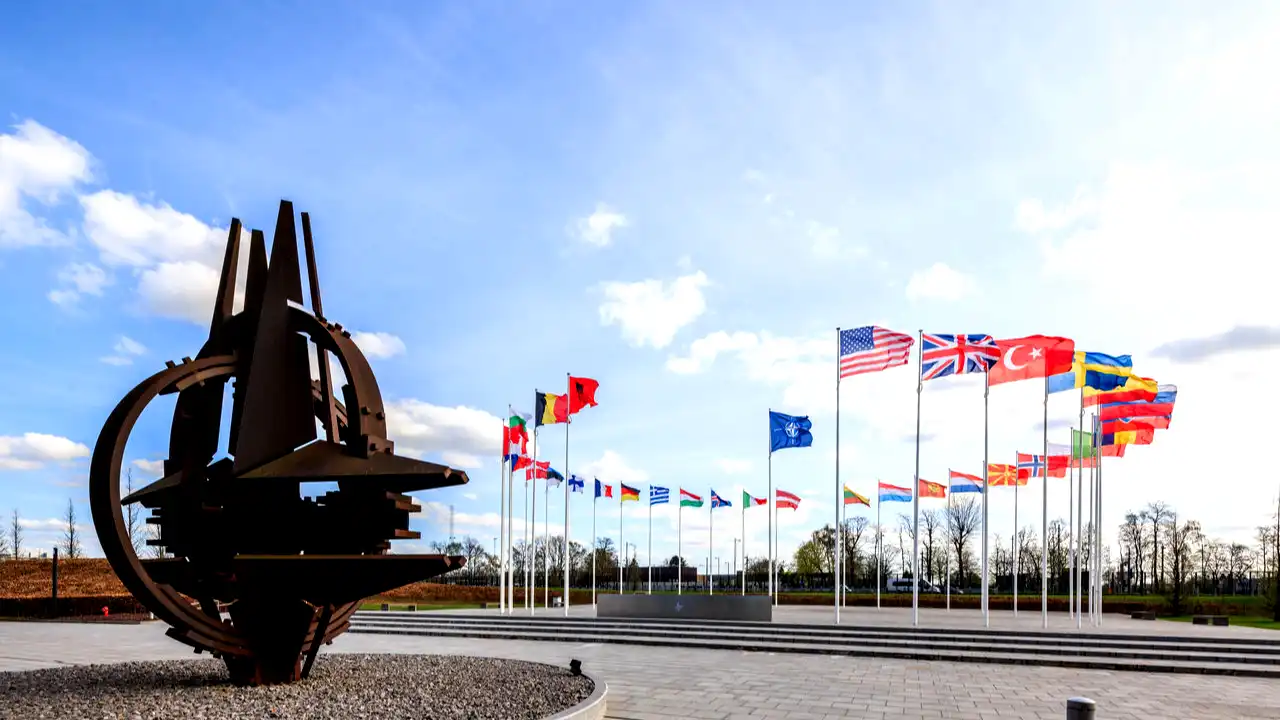
The North Atlantic Treaty Organization has announced a major, gradual reduction of its long-standing peacekeeping forces in the Balkans, marking a significant transition for regional security. The military alliance announced it will scale down the size of its Kosovo peacekeeping mission and adjust its posture over the next year. Defense officials cited a steady, substantial improvement in the local security environment as the primary reason behind the decision. While the drawdown signals growing confidence in the stability of the Western Balkans, commanders emphasized that the alliance will maintain the necessary readiness to quickly reverse the troop cuts if tensions on the ground deteriorate once again.
The peacekeeping force, widely known as the Kosovo Force (KFOR), currently comprises a 4,600-strong multinational contingent drawing troops from 31 partner nations. The alliance originally deployed the force in June 1999 under a strict United Nations mandate, following a brutal, year-long war between ethnic Albanian separatist fighters and Serbian security forces. Since the end of that conflict, the peacekeepers have maintained a continuous presence to prevent a resurgence of ethnic violence and protect the country’s borders. The persistent deployment of thousands of troops over the past quarter-century has cost international taxpayers billions of dollars in peacekeeping expenses, making the current drawdown a highly significant fiscal and logistical milestone.
A senior military commander defended the decision to optimize the mission’s footprint, pointing to the growing capabilities of local security agencies as a key factor. U.S. Air Force General Alexus G. Grynkewich, who serves as the Supreme Allied Commander Europe, released a formal statement confirming that current conditions on the ground provide an ideal opportunity to optimize the force’s size and posture. Grynkewich emphasized that the alliance’s long-term commitment to regional stability has successfully fostered increased security. He noted that as Kosovo’s own law enforcement and civil protection organizations have become more capable, the multinational force can safely transition to a smaller, more streamlined operational role.
The planned troop cuts follow a period of gradual stabilization that began earlier this year. In January, the military alliance officially ended the emergency deployment of strategic reserve forces to the region, halting more than two years of continuous, high-intensity troop rotations. The alliance originally rushed nearly 1,000 additional troops to northern Kosovo in late 2023 following a severe outbreak of ethnic violence, which included organized attacks on multinational peacekeepers in the northern town of Zvečan. This massive reinforcement represented the largest surge in the peacekeeping mission’s strength in over a decade, and the withdrawal of these emergency reserves marked the first step toward the current drawdown.
To prevent any sudden security vacuums, the military alliance will carry out the troop reductions in a highly calibrated, gradual manner. Military planners expect the drawdown to follow normal national rotational deployment and redeployment cycles between now and next year, ensuring that no sudden gap in regional defense occurs. This condition-based approach means that any further reductions will remain strictly tied to real-time security assessments on the ground. If local tensions flare up or political dialogue breaks down, commanders have the pre-authorized authority to immediately halt the withdrawal and redeploy heavy combat units to the region.
Throughout the gradual adjustment process, the downsized peacekeeping force will continue to work in close coordination with other local and international security responders. The multinational troops will maintain their close operational partnership with the local police and the European Union Rule of Law Mission in Kosovo (EULEX), ensuring a unified response to any potential security threats. This three-tier security framework—where local police act as first responders, EULEX as second, and the peacekeeping force as the third and final line of defense—has proved highly effective at maintaining order while the troop reductions represent a shift of nearly 1.5% in the alliance’s overall active military deployment ratio.
The announcement of the peacekeeping drawdown follows intense, high-level diplomatic engagements aimed at securing regional buy-in for the transition. Just two days before the announcement, Serbian President Aleksandar Vucic met with General Grynkewich in Belgrade to discuss regional security challenges. During the meeting, Vucic expressed deep appreciation for the stabilizing role that the multinational force continues to play in the region, thanking the commander for protecting ethnic minority communities. This diplomatic coordination remains essential, as any successful drawdown depends on maintaining open lines of communication between Belgrade and Pristina to prevent political disputes from spilling over into physical violence.
As the military alliance begins to scale back its presence in the Western Balkans, the transition represents a critical test for the region’s long-term stability. The planned reduction of the multinational peacekeeping force demonstrates that years of sustained security and defense investments have nurtured a more stable and capable local security apparatus. However, the deep-seated political disputes between Serbia and Kosovo remain unresolved, and the threat of localized unrest still lingers. Until the European Union-facilitated political dialogue can deliver a permanent, legally binding normalization treaty, the remaining peacekeeping forces must stand ready to defend the peace, ensuring that the progress of the last quarter-century does not unravel.















