

Negotiations between the United States and Iran are reaching a critical turning point, sparking fresh hope for a breakthrough in the Middle East. Diplomatic mediators are pushing both nations to finalize a preliminary peace agreement that aims to immediately reopen the Strait of Hormuz to international shipping and wind down months of devastating conflict. While some leaders expect officials to sign a memorandum of understanding within the next 24 hours, diplomats on both sides warn that final approval still hangs in the balance on delicate, unresolved issues. The deal represents the most significant effort yet to end a war that has disrupted global commerce and pushed energy markets into chaotic volatility.
The American president energized expectations over the weekend by posting on social media that negotiators have scheduled the historic agreement for an imminent signing. He declared that the vital waterway, which is currently blocked, will open to all ships immediately after officials put pen to paper. In his public statement, he emphasized that the pact will build a solid wall to prevent Iran from obtaining any nuclear weapons through purchase or development, adding that no money will change hands between the two nations. However, representatives from the Iranian foreign ministry offered a more cautious response. While they acknowledged substantial diplomatic progress, they stated that a signing is unlikely to happen on Sunday, though they did not rule out an agreement in the coming days.
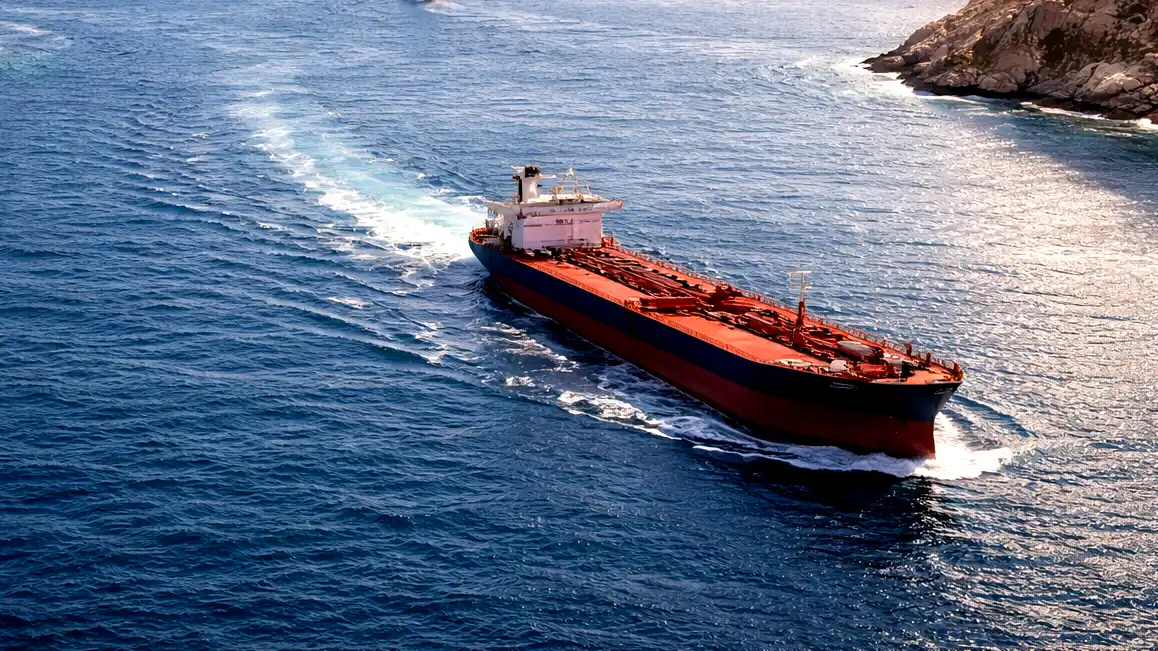
The proposed deal features an interim memorandum of understanding that will extend the current regional ceasefire by 60 days to allow for broader negotiations. Under the negotiated terms, the United States has agreed to lift its heavy naval blockade on Iranian ports. In return, Iran will reopen the Strait of Hormuz and restore commercial shipping traffic to normal, pre-war levels within 30 days. Crucially, the agreement mandates that ships will transit the waterway without paying arbitrary tolls or facing unilateral restrictions. Before the war, more than 100 commercial vessels sailed through the narrow strait daily, carrying nearly a fifth of the world’s petroleum supply.
International mediators have played a pivotal role in keeping both countries at the negotiating table. Pakistan, which has hosted several rounds of face-to-face and virtual talks, reported that the two nations are closer to a peace deal than ever before. Pakistani diplomats spent the weekend updating regional allies, including Saudi Arabia, on the progress of the remote, electronic signing ceremony. Despite the optimism, European diplomats note that final approval rests with Iran’s supreme leader, Mojtaba Khamenei. Communicating with the leader has proven difficult and time-consuming because he remains in hiding, which often delays key diplomatic messages from reaching him for several days.
The mere possibility of a reopened shipping corridor has already brought immediate relief to global financial markets. Crude oil prices plunged over the weekend as traders anticipated a massive surge in supply. Brent crude futures fell 3.4% to settle at $87.33 per barrel, marking their lowest price level since early March and capping a weekly loss of 6.2%. The drop in energy costs triggered a powerful rally on Wall Street, with the S&P 500 index rising 0.5% and the Dow Jones Industrial Average gaining 353 points. Financial analysts believe that reopening the strait could help curb global inflation, which has hurt families and businesses worldwide since the conflict began.
The urgency of the talks became even more apparent following recent military confrontations at sea. The United States military recently intercepted and shot down several armed Iranian attack drones in the Strait of Hormuz. Central Command officials stated that the drones were targeting commercial cargo vessels in the trade corridor, prompting a sharp response from the American president, who labeled the attack totally unacceptable. This rapid transition from military strikes to intense diplomacy highlights how fragile the current ceasefire is, as both nations continue to test each other’s limits.
The devastating conflict originally erupted in late February following a series of heavy military strikes that killed Iran’s former supreme leader, whose formal funeral is now scheduled for early July. The subsequent naval blockade and maritime fighting quickly crippled international shipping lanes. The disruptions forced commercial vessels to seek expensive alternate routes, costing the regional transport sector over $1 billion in lost revenues. This severe bottleneck caused fuel stockpiles in major trading hubs like Singapore to plummet to their lowest levels since 2013, illustrating how a regional conflict can trigger a cascading crisis for global supply chains.
The timing of the potential deal is highly strategic, as global leaders prepare to travel to the French Alpine town of Évian-les-Bains for the upcoming Group of Seven summit. The American administration plans to discuss a joint, international demining operation for the Strait of Hormuz with its European allies during the meetings. Leaders from both Britain and France have already expressed strong interest in providing specialized naval support to clear the water of explosive mines once the ceasefire begins. Additionally, the American president plans to meet with the leaders of Egypt, Qatar, and the United Arab Emirates on the sidelines of the summit to build regional consensus.
Despite the widespread hope for peace, several high-ranking politicians and analysts remain highly skeptical of the deal’s long-term viability. Hardline members of Iran’s parliament have criticized the draft agreement, arguing that it leaves major issues unresolved. They point out that the memorandum of understanding does not establish a clear timeline for permanent sanctions relief and allows the United States to delay the full withdrawal of its military forces from the region. Additionally, the preliminary pact completely bypasses the nuclear issue, deferring complex negotiations over Iran’s uranium enrichment to a later date.
Until both nations sign the official documents and demonstrate a willingness to honor their commitments, the global economy will remain on edge. If the current diplomatic push fails, the consequences could be severe, as Washington has warned that it maintains a powerful military alternative if peaceful negotiations collapse. For now, ship captains, energy traders, and world leaders are watching the Middle East with intense focus, hoping these diplomatic efforts will finally secure lasting peace and restore stability to the world’s most critical energy gateway.















