
The recently announced preliminary peace agreement between the United States and Iran has triggered a massive sigh of relief across international energy markets, sending global crude prices down to three-month lows. Yet, behind the sudden financial market optimism lies a much more sobering reality for the physical supply chain. Energy executives and commodity analysts warn that restoring the Middle East’s paralyzed oil and gas infrastructure will take far longer than the time required to sign political documents. Despite the scheduled reopening of the strategic Strait of Hormuz, restarting idle oilfields, clearing mined waterways, and repairing damaged refining facilities will require several months, if not years, of highly coordinated effort.
As the trading week opened on Monday, financial investors reacted swiftly to the prospect of a diplomatic breakthrough, prioritizing future physical supply over current constraints. Brent crude futures fell 5% to settle at $82.94 per barrel, while West Texas Intermediate slipped 5.4% to $80.26 per barrel, representing their lowest price levels since early March. The sharp price drop followed Sunday’s high-profile announcement that Washington and Tehran had reached a draft peace agreement, which includes a 60-day ceasefire period and plans for a formal signing ceremony in Switzerland on Friday. However, market analysts warn that this rapid sell-off is merely borrowing against future production, as the actual return of physical crude to global ports will be a slow and uneven process.
The scale of the supply disruption that occurred during the three-month war is unprecedented in modern history. The effective closure of the Strait of Hormuz forced major Middle Eastern producers, including Saudi Arabia, the United Arab Emirates, Iraq, and Kuwait, to shut in more than 14 million barrels per day of combined oil production. This massive shutdown, representing approximately 14% of total global oil demand, occurred because regional storage tanks quickly filled to maximum capacity when tankers could no longer exit the Persian Gulf safely. While some modern, land-based bypass pipelines helped mitigate the crisis, the vast majority of the region’s production remained completely trapped underground.
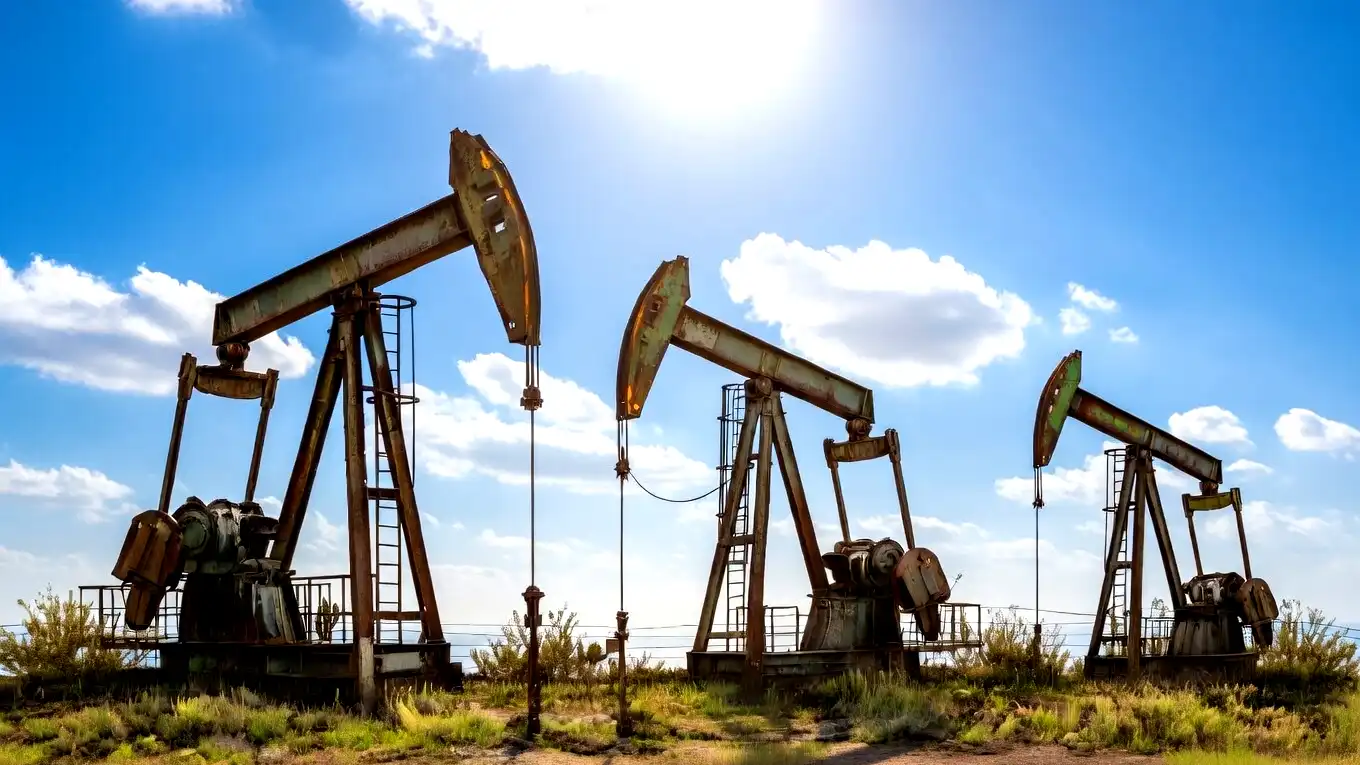
Restarting these massive extraction facilities is a highly complex engineering challenge that cannot happen with the flip of a switch. While some production zones, particularly in southern Iraq, can resume partial exports within a week of a political decision, older and more complex reservoirs will require a much more measured and controlled ramp-up. Independent energy research firms suggest that the oilfields affected by the closure of the Strait can recover only 70% of their prior production within three months. Achieving 90% of pre-war output levels will likely require up to six months, while returning the final 1 million barrels per day of high-cost production back to the market will take considerably longer.
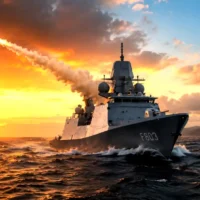
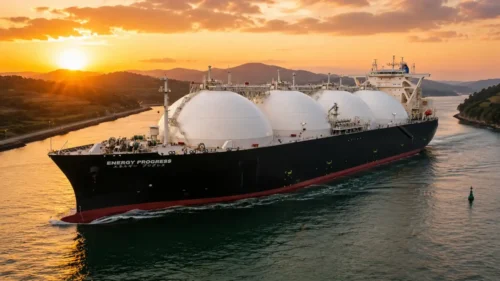
Beyond the physical oilfields, the maritime shipping logistics present a massive operational bottleneck. Hundreds of fully loaded supertankers have been stranded in the Persian Gulf for over three months, unable to safely navigate the volatile waterway due to heavy naval blockades and active sea mines. Before any new tankers can enter the Gulf to load fresh crude, these stranded vessels must first safely exit the Strait. Maritime experts note that it will take several weeks to establish reliable insurance coverage, secure safety guarantees from naval patrols, and coordinate the orderly exit of these massive cargo ships. Furthermore, because oil tankers travel slowly, it takes months for a newly loaded vessel to reach distant refineries in Asia and Europe.
The physical destruction of regional refining infrastructure represents another critical bottleneck that will severely limit the availability of finished fuels. The intense military conflict knocked out as much as 3.52 million barrels per day of regional refining capacity, representing roughly 3.5% of the global total. Multiple processing plants and export terminals sustained direct physical damage during the fighting, requiring extensive repairs before they can resume operations. Rebuilding these sophisticated industrial facilities requires specialized components, long-lead equipment, and foreign technical personnel, meaning that several key regional refineries will remain offline for months, keeping global gasoline and diesel supplies tight.
The slow recovery timeline aligns with the long-term warnings issued by international energy monitors throughout the conflict. The executive director of the International Energy Agency previously estimated that Middle Eastern producers might need up to two years to restore their collective oil and gas output to pre-war levels. While Saudi Arabia possesses the financial resources and technical capacity to recover relatively quickly, other war-torn producers like Iraq face severe structural damage to their export terminals that will take much longer to repair. This prolonged recovery curve means that the global market will continue to run a substantial supply deficit throughout the remainder of the year.
The delayed return of Middle Eastern crude comes at an exceptionally challenging moment for the supply-and-demand balance. The Northern Hemisphere is currently entering its peak summer season, which traditionally marks the highest period of global fuel consumption due to increased travel, agricultural operations, and heavy air conditioning usage. Because global inventories have already fallen at a rapid pace of over 5 million barrels per day in recent months, any newly restored oil shipments from the Gulf will initially do little more than slow the ongoing drawdown of global stockpiles. This means that despite the lower prices seen on paper, consumers may not feel the relief at the pump for quite some time.
The speed of the energy recovery also depends heavily on whether commercial shippers and maritime insurance underwriters believe the peace deal is stable. Under the draft agreement, Iran is scheduled to begin clearing sea mines and reopening the Strait of Hormuz within 30 days. However, shipping companies remain highly cautious, as the broader political issues—including Iran’s controversial nuclear program—remain completely unresolved and are scheduled for separate, highly volatile negotiations over the next two months. Until international insurers feel comfortable providing standard liability coverage for vessels transiting the Gulf, major fleet operators will hesitate to send their multi-million-dollar assets back into the region.
Ultimately, the historic peace agreement offers a welcome path toward ending the global energy crisis, but it does not represent an instant cure. The massive economic and physical damage inflicted during months of intense maritime warfare cannot be resolved overnight. While financial traders celebrate the diplomatic breakthrough by pushing paper prices down, the physical oil and gas supply chain will require a long, delicate, and expensive recovery process. Until Middle Eastern fields, refineries, and shipping lanes return to full operational health, the global energy market will remain highly vulnerable to sudden supply shocks, keeping the international trade order in a state of watchful transition.