

The military leadership of Sudan is executing a dramatic geopolitical pivot, quietly halting its weapons procurement agreements with Iran in a strategic bid to win diplomatic backing from the United States and wealthy Gulf nations. Facing a catastrophic, multi-year civil war that has devastated the country, General Abdel Fattah al-Burhan’s military administration is seeking to distance itself from Tehran’s security sphere. By pushing out Iranian military advisers and turning down requests for a permanent naval base on the strategically critical African coast, Khartoum is trying to recast itself as a reliable partner for a post-conflict security order. This rapid diplomatic realignment comes at a critical moment for the region, as a newly announced peace deal between Washington and Tehran dramatically alters the strategic calculation for African and Middle Eastern nations alike.
The urgency of Sudan’s diplomatic maneuvering reflects the sheer desperation of a nation trapped in what international aid agencies describe as the world’s worst humanitarian catastrophe. Since the civil war erupted in April 2023 between the regular Sudanese Armed Forces and the paramilitary Rapid Support Forces, the violence has claimed more than 150,000 lives and driven the agricultural system into complete collapse. Out of a total population of 52 million people, more than 14 million citizens have fled their homes, with millions seeking refuge in neighboring Chad, South Sudan, and Egypt. Furthermore, the latest hunger assessments indicate that over 19 million people face acute food insecurity, leaving the military desperate for both a physical ceasefire and an influx of international humanitarian aid.
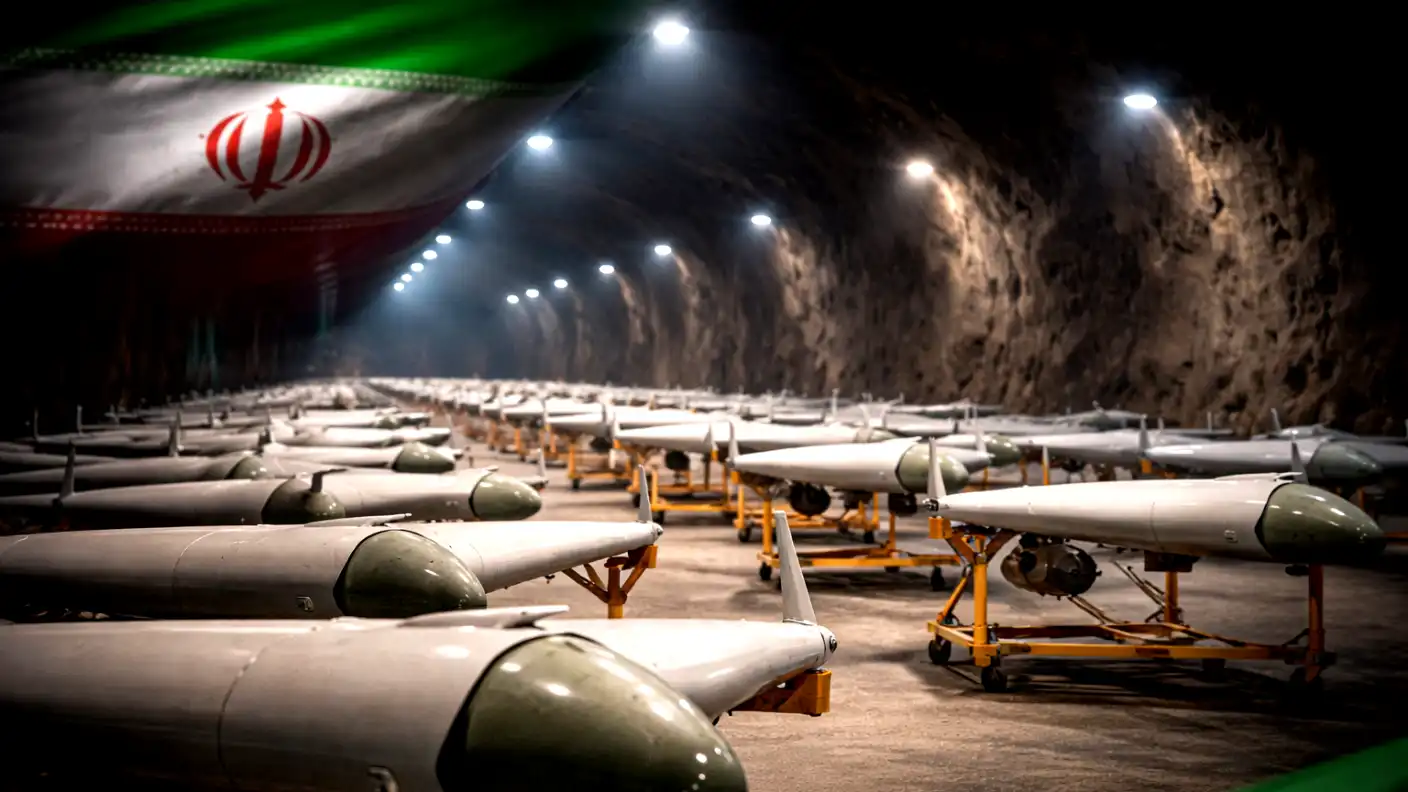
To combat the fast-moving paramilitary forces, which initially enjoyed a significant drone advantage and substantial funding from foreign backers, the regular army had turned to Tehran for an emergency military lifeline. After restoring diplomatic relations in late 2023 following a 32-year rupture, flights from Iran to Port Sudan delivered dozens of advanced combat drones, including Mohajer-6 and Ababil models, alongside Saeghe-2 anti-tank guided missiles. By early 2025, these advanced weapons tipped the balance of power on the battlefield, enabling the regular army to reclaim key territories in Khartoum and secure strategic television towers. However, as the military’s dependence on Iranian hardware grew, so did the alarm in Washington and neighboring Arab capitals, threatening to turn Sudan into a permanent outpost for Iranian influence.
The military’s codependent relationship with Tehran eventually ran directly into a wall of American regulatory and diplomatic pressure. In March of this year, the United States Department of State designated the Sudanese Muslim Brotherhood—an influential Islamist political network that acts as a key supporter of the regular army—as a Foreign Terrorist Organization. Washington specifically accused the group of orchestrating mass executions, committing ethnically targeted killings in Darfur, and receiving specialized training from Iran’s Islamic Revolutionary Guard Corps. This terrorist group listing significantly raised the stakes for the Sudanese military, as any continued tolerance of these radical factions threatened to trigger secondary American sanctions and permanently block Khartoum from accessing the global financial system.
The regional volatility increased even further following a massive wave of Iranian ballistic missile and drone strikes that targeted several U.S. military installations and civilian infrastructure across the Gulf. In a highly calculated diplomatic move, General Burhan held telephone calls with the leaders of Saudi Arabia, Qatar, Jordan, and Kuwait to pledge Khartoum’s absolute solidarity against what he described as blatant Iranian aggression. By pointedly excluding the United Arab Emirates—which Sudan accuses of covertly funding the rival paramilitary forces—from its statements of support, the military leadership successfully signaled its alignment with the main Arab powers while demonstrating its willingness to break ties with Tehran to protect its regional standing.
By systematically shedding its Iranian security ties, the Sudanese military is actively courting Washington’s direct involvement to help mediate a transitional peace process and end the war. The administration has signaled its willingness to engage with a new, three-track peace proposal put forward by American diplomats. This comprehensive plan includes a humanitarian route to guarantee the unhindered flow of international aid, a political track led exclusively by moderate civilian forces, and a military reform track to structure a unified, professional army under civilian authority. To win Washington’s favor, Burhan is reportedly taking steps to remove radical Islamist elements from the upper ranks of the military and intelligence services, trying to prove that his government can serve as a stable anchor for the region.
Restoring credibility with Western and Gulf partners is also essential for the regular army to restock its severely depleted arsenal through legitimate, internationally accepted channels. According to diplomatic sources, a highly anticipated $1.5 billion military supply contract between Sudan and Pakistan—facilitated and funded by Saudi Arabia—had been brought to a complete halt due to concerns over Khartoum’s covert ties to Tehran. The massive procurement package was designed to supply the Sudanese army with modern JF-17 fighter jets, advanced surveillance drones, and state-of-the-art air defense systems to counter the paramilitary forces. By ditching its Iranian partners, the military leadership hopes to immediately unlock this frozen agreement and secure the high-tech defense systems it needs without violating international arms embargoes.
A major part of Sudan’s diplomatic purge involved flatly refusing Iran’s persistent requests to establish a permanent naval base on the Red Sea coast. Tehran had offered to supply the regular army with advanced air-defense systems and heavy weaponry in exchange for a 25-year lease on a military refueling station at Port Sudan. Such an installation would have granted the Persian Gulf nation a powerful listening post directly opposite Saudi Arabia, allowing it to monitor international naval movements and weapons trafficking. Recognizing that allowing an Iranian military presence on the Red Sea would represent a red line for both the United States and Israel, the Sudanese government rejected the offer, choosing instead to protect its sovereign coastline and maintain its path toward diplomatic normalization.
Despite these bold diplomatic moves, many Western analysts and regional diplomats remain deeply skeptical of General Burhan’s ability to completely sever ties with his Islamist backers. Radical Islamist networks and veteran officers from the former regime remain deeply embedded within the army’s core fighting units and command structures, making them central to the military’s ongoing wartime coalition. These hardline factions have consistently emerged as the most vocal opponents of international ceasefire initiatives, fearing that any civilian-led transition will permanently strip them of their political and economic power. If Burhan fails to decisively marginalize these internal groups, his efforts to court Washington’s support may ultimately collapse, leaving the country isolated and vulnerable.
Ultimately, Sudan’s strategic decision to reject Iranian weapons represents a high-stakes gamble to secure a viable future in a rapidly changing world. The military leadership has recognized that while Iranian drones provided a temporary advantage on the battlefield, the long-term survival of the state depends on securing Western financial aid, humanitarian relief, and regional diplomatic recognition. As the United States and Iran prepare to sign their own historic peace agreement in Switzerland on Friday, the window of opportunity for Sudan to align with the global community is narrowing. Until the warring parties can commit to a genuine, civilian-led transition and silence the internal voices of extremism, the suffering people of Sudan will continue to pay the price of a war that has turned their homeland into a transnational marketplace of violence.















