

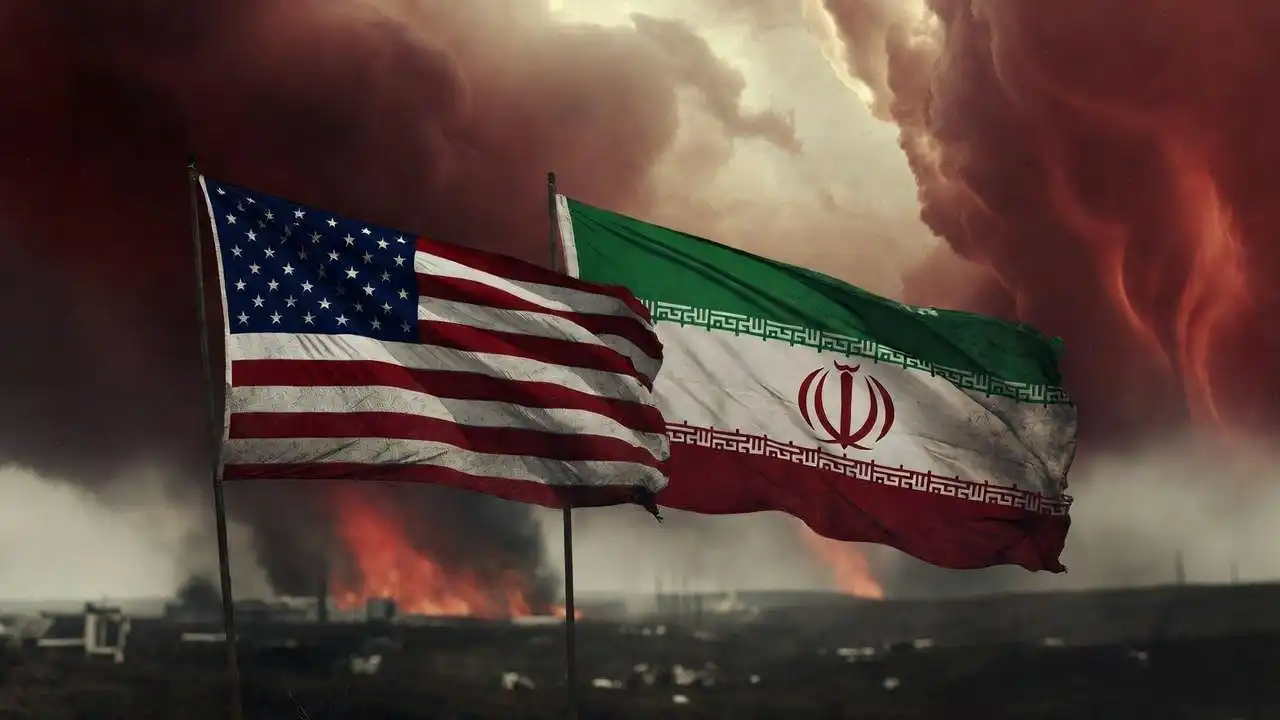
A high-stakes diplomatic breakthrough has brought a sudden, peaceful end to one of the most dangerous military conflicts of the decade, triggering a massive wave of optimism across global financial markets. After months of escalating naval clashes, air strikes, and economic disruptions, the United States and Iran have agreed to a preliminary framework to halt their three-month-old war. The conflict, which began in late February, had severely disrupted global energy markets, pushed domestic gasoline prices past $4.00 per gallon, and shut down the world’s most critical maritime corridors.
While the announcement of a ceasefire has successfully lowered energy prices and halted active fighting, the actual text of the preliminary understanding remains highly classified, leaving diplomats and intelligence agencies scrambling to understand the details.
As both sides prepare for the formal signing ceremony, a series of crucial pre-implementation discussions will lay the necessary groundwork for sixty days of highly technical, international talks regarding the future of Iran’s nuclear and ballistic missile programs.
This article explores the details of this ongoing diplomatic effort, examines the significant technical challenges that both sides must resolve during the upcoming negotiations, and analyzes the strategic viewpoints of international relations specialists who are tracking this highly volatile geopolitical transition.
The Preliminary Framework: What is Agreed on Paper?
The signing of the preliminary framework represents a coordinated effort by both nations to prevent a full-scale regional war that could permanently destabilize the global economy.
The Geneva Signing Ceremony
Under the current schedule, the two nations plan to formally sign the final peace accord in Geneva, Switzerland. The agreement establishes a clear, step-by-step pathway to end the active fighting, ordering an immediate halt to all hostile actions at sea and the reopening of the Strait of Hormuz.
The breakthrough negotiations were heavily facilitated by Pakistani Prime Minister Shehbaz Sharif, whose country acted as the primary mediator and backchannel corridor between Washington and Tehran throughout the conflict.
Sharif confirmed that there will be a series of crucial pre-implementation discussions to lay the necessary groundwork for the post-ceasefire negotiations, providing a vital safety valve for both nations as they transition from active combat to structured diplomacy.
The Role of Vice President JD Vance
To demonstrate the administration’s commitment to the peace process, U.S. President Donald Trump has decided to dispatch Vice President JD Vance to Geneva to sign the final accord on behalf of the United States.
The presence of the vice president at the signing ceremony highlights the immense political significance that the White House has placed on the agreement, especially ahead of the upcoming midterm congressional elections in November.
However, the rapid nature of the negotiations has also fueled skepticism among international observers, who point out that the administration has bypassed several traditional diplomatic channels and failed to consult its closest European allies before finalizing the terms of the deal, raising concerns that the framework may be a superficial compromise rather than a durable peace treaty.
The Sixty-Day Negotiation Window: A Compressed Timeline for Complex Issues
While the signing of the preliminary accord represents a highly positive milestone, the real-world success of the peace process will depend entirely on what happens during the upcoming technical negotiations.
Resolving the Nuclear and Sanctions Disputes
The preliminary agreement establishes a strict, 60-day technical negotiation window, starting immediately after the formal signing ceremony in Geneva.
During this compressed timeframe, negotiators must work to resolve several highly complex and deeply contentious issues that have divided the two nations for decades:
First, the unfreezing of Iranian assets remains a major point of contention. The U.S. has frozen tens of billions of dollars of Iranian funds in foreign bank accounts, and Tehran is demanding the immediate, unconditional release of these assets as a condition for compliance.
Second, the future limits on Tehran’s nuclear enrichment programs are highly disputed. While the U.S. is demanding a permanent, verified halt to all enrichment activities above 3.67%, Iranian negotiators are resisting any deal that strips them of their sovereign rights under the Non-Proliferation Treaty.
Third, the two sides must establish a reliable mechanism to monitor and verify compliance, a task that will require a complete overhaul of the international inspections system inside Iran.
The Pressure of the Clock
National security experts and arms control specialists warn that sixty days is an incredibly short timeframe to resolve some of the most complex, highly technical disputes in modern international relations.
They point out that previous nuclear negotiations, such as the 2015 Joint Comprehensive Plan of Action, required years of intensive, round-the-clock discussions among hundreds of scientists, lawyers, and diplomats to finalize.
By forcing negotiators to resolve these massive issues within a highly compressed two-month window, the administration is taking a massive gamble.
If the technical talks fail to produce a comprehensive treaty before the deadline expires, the temporary ceasefire will automatically lapse, and both nations could find themselves dragged back into a highly destructive, direct military conflict, turning the current peace framework into a temporary pause in a much larger war.
The Nuclear Verification Nightmare: Unaccounted Uranium
The most critical and dangerous challenge confronting international negotiators during the upcoming technical talks is the verification and monitoring of Iran’s highly enriched uranium stockpiles.
The Legacy of the June 2025 Airstrikes
To understand the complexity of the nuclear file, one must examine the physical consequences of the military strikes that took place last year.
In June of last year, a 12-day military conflict saw joint U.S. and Israeli airstrikes destroy or severely damage major uranium-enrichment plants in Iran.
While the bombings successfully dismantled the physical centrifuges and processing halls at key sites like Natanz, Fordow, and Isfahan, global intelligence agencies believe that a significant portion of the nuclear material produced before the strikes remained intact.
Specifically, much of the uranium enriched to 60%—which is only a short, technical step away from the 90% enrichment level required to construct a nuclear weapon—is thought to have survived the bombings.
The Lost Four Hundred Forty Kilograms
The scale of this unmonitored nuclear stockpile is immense. Prior to the June 2025 airstrikes, the IAEA estimated that Iran possessed approximately 440 kilograms of uranium enriched to up to 60%.
Since the facilities were bombed last year, the Iranian government has not informed the IAEA of what happened to this 440-kilogram pile, and inspectors have been denied access to conduct in-field verification activities at most of Iran’s key nuclear sites.
This information blackout has created a massive, unprecedented proliferation risk.
Without physical, on-site inspections, the IAEA cannot verify if the material survived the bombings, if it has been relocated to highly secure underground bunkers, or if it has been diverted to secret facilities to be enriched to weapons-grade.
Resolving this nuclear mystery and restoring complete international oversight will require Iran to grant inspectors immediate, unrestricted access to all its facilities, a concession that Tehran has stubbornly resisted throughout the war.
The Omission of Proxies and Missiles: A Fatal Flaw?
While the preliminary agreement focuses heavily on nuclear enrichment and sanctions relief, it completely ignores the two main issues that the U.S. administration originally used to justify the war.
Sidelining the Ballistic Missile Program
When the U.S. and Israel launched their military campaign in February, they argued that containing Iran’s expanding ballistic missile arsenal was an absolute necessity to protect regional stability.
They pointed out that Tehran had transferred advanced missile technology to various proxy groups, who used those weapons to target commercial shipping and military bases across the Middle East.
However, according to diplomatic sources, the terms of the newly negotiated interim deal contain no provisions to restrict, monitor, or dismantle Iran’s ballistic missile program.
This critical omission has outraged defense officials in Israel and Washington, who warn that any agreement that allows Iran to preserve and expand its missile technology is inherently flawed and will only lead to further regional instability in the long term.
The Threat of Regional Proxy Forces
The preliminary framework is also completely silent on the issue of Iran’s support for regional proxy forces, particularly Hezbollah in Lebanon and the Houthis in Yemen.
These armed groups have served as the primary instrument of Iran’s regional influence, launching devastating attacks against commercial shipping lanes and neighboring Arab states.
By leaving these proxy networks off the negotiating table, the U.S. has effectively decoupled the nuclear file from regional security.
European and Arab allies warn that if the U.S. unfreezes billions of dollars of Iranian assets without securing strict, enforceable guarantees on regional behavior, Tehran will simply use those fresh funds to rebuild, rearm, and expand its proxy networks, creating a more dangerous and unstable Middle East.
The Logistics of Reopening Hormuz: Demining and Shipowner Hesitation
Beyond the diplomatic and political challenges, the practical implementation of the agreement faces an immediate, physical obstacle: the safe reopening of the Strait of Hormuz.
The Danger of Naval Mines
While President Trump has confidently declared that the Strait of Hormuz will be completely open on Friday, commercial shipping companies and maritime insurance operators remain highly reluctant to send their vessels into the Persian Gulf.
During the active phase of the conflict, both sides deployed a significant number of naval mines to secure their positions, leaving the narrow shipping lanes highly dangerous.
Reopening the strait, through which approximately 20% of the world’s daily oil supply passes, is an absolute necessity to stabilize global energy prices and lower domestic fuel costs.
However, until these waters are physically cleared of explosives, commercial tanker traffic will remain stalled, keeping global energy markets in a state of high anxiety.
The Proposed Anglo-French Demining Mission
To address this critical bottleneck, the United Kingdom and France have offered to lead a major, international demining operation to clear the shipping lanes.
French President Emmanuel Macron announced that British and French naval assets are already in place and ready to deploy as soon as the ceasefire is formally signed and verified.
While President Trump has welcomed this European assistance, the physical task of clearing the sea lanes will take several weeks.
Until the mines are successfully cleared and international insurers restore standard maritime coverage for the Gulf, the flow of oil will remain restricted, proving that signing a peace treaty is often far easier than physically executing its terms.
Conclusion: The Tense Road Ahead
The newly negotiated U.S.-Iran framework agreement represents a historic and necessary attempt to bring a peaceful end to a highly destructive regional conflict.
By driving total exports to a historic record high, American energy producers, agricultural companies, and manufacturers have proven that they can successfully compete on the global stage, even amid a highly volatile international environment.
However, as the two nations prepare for the formal signing ceremony in Geneva, the road to a durable peace remains highly fragile.
With the primary channel of communication between Washington and Tehran still severely damaged, the success of the 60-day technical negotiations will require immense political discipline, transparent verification protocols, and a shared commitment to mutual security.
Ultimately, the future of the Middle East will depend not on the celebratory rhetoric of the ceasefire announcement but on whether both sides can successfully navigate the highly complex, technical challenges of the coming weeks, ensuring that this historic framework truly delivers a secure and lasting peace for the world.















