

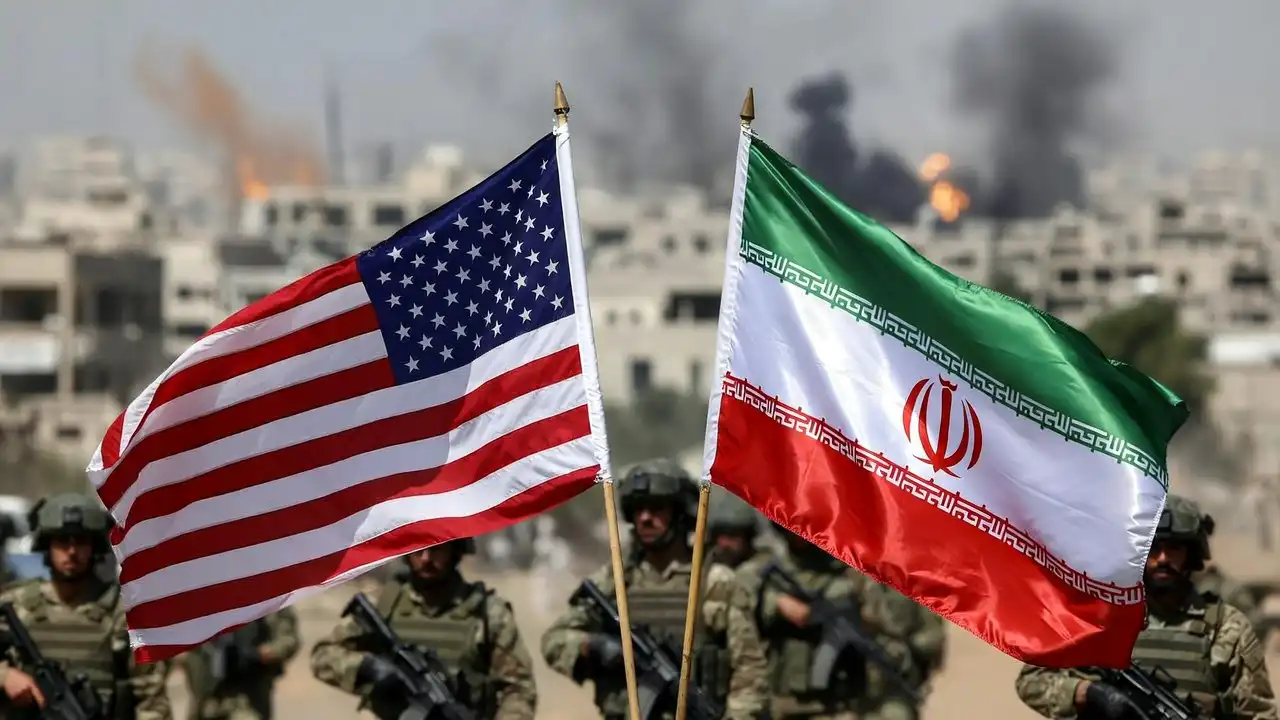
The Swiss government confirmed on Tuesday that it will host the official signing of a landmark interim peace accord between the United States and Iran, providing a neutral and secure stage to end months of devastating regional warfare. The Swiss foreign ministry announced that the signing ceremony is scheduled to take place on Friday, June 19, at the highly secure Buergenstock resort. Perched on a mountaintop in the central canton of Nidwalden, the mountainside resort is difficult to access, making it exceptionally easy to secure for high-profile global diplomats. The venue was selected after extensive consultation with the key players, marking a major step toward restoring international trade and halting a conflict that has paralyzed global energy networks.
The Swiss government’s involvement represents the culmination of intense behind-the-scenes diplomatic coordination with several international partners. In its official statement, the foreign ministry revealed that it maintained close, continuous communication with the United States, Iran, Pakistan, and Qatar to finalize the details of the ceremony. Pakistani and Qatari diplomats, who served as the primary mediators throughout the high-stakes peace process, proposed the mountainside resort to guarantee maximum security and privacy during the final discussions. While Switzerland is hosting the event, the foreign ministry clarified that its role is strictly logistical and diplomatic, serving as a trusted neutral facilitator to ensure the signing proceeds smoothly.
The primary goal of the interim memorandum of understanding is to permanently halt a brutal military conflict that has raged for more than 100 days, causing severe loss of life and displacing millions of families across the region. The war originally erupted in late February following a series of intense, preemptive strikes on Iranian infrastructure, quickly expanding into a multi-front regional conflict that drew in various allied factions. The newly agreed framework mandates an immediate and permanent cessation of all hostilities on all active fronts, including the heavily bombarded southern border areas of Lebanon. This cessation of military operations represents the most significant diplomatic breakthrough in the region in decades, sparking widespread relief in global capitals.
Beyond silencing the guns, the agreement aims to immediately resolve the severe maritime blockades that have choked global commerce and triggered a major international energy crisis. Under the terms of the memorandum, the United States has agreed to immediately and completely lift its heavy naval blockade on Iranian ports. In return, Iran will unconditionally reopen the strategic Strait of Hormuz to all global shipping traffic, ending a de facto military blockade that had trapped hundreds of cargo vessels. The American president announced that the passage of ships through the narrow strait will operate completely toll-free, a development that is essential to stabilizing global energy prices and restoring regular trade flows.
While the interim accord successfully addresses immediate military and maritime concerns, it deliberately defers the most complex geopolitical disputes to a subsequent negotiation phase. The signed memorandum of understanding grants both nations a strict 60-day window to conduct intensive, technical negotiations regarding Iran’s nuclear development program. During these two months, international negotiators will focus on resolving the status of Tehran’s stockpile of highly enriched uranium and establishing a verifiable framework for compliance with United Nations and International Atomic Energy Agency resolutions. If both sides can reach a consensus during this period, it could pave the way for a permanent, comprehensive peace treaty.
To protect the integrity of the negotiations, the United States has adopted a highly cautious financial stance, refusing to offer front-loaded concessions. While the deal outlines a path for the gradual release of up to $24 billion in frozen Iranian assets—with Tehran hoping for an initial release of $12 billion—American officials have emphasized that no funds have been released yet. Vice President JD Vance confirmed that any financial relief is strictly contingent on Tehran taking verifiable, concrete steps to destroy and dispose of its stockpile of highly enriched material. This phased verification process ensures that Iran must fulfill its core obligations before accessing any frozen funds.
Speaking on Tuesday at the G7 summit in France, the American president strongly defended his administration’s decision to sign the undisclosed 14-point memorandum. During a press conference following high-level discussions with the emir of Qatar, the president emphasized that the deal guarantees the United States has zero obligation to invest any money in the Islamic Republic. Instead, he asserted that the deal’s primary objective is to permanently prevent Iran from acquiring a nuclear weapon. The president issued a stern, direct warning to Tehran’s leadership, declaring that if the country attempts to develop a nuclear arsenal during or after the 60-day negotiation window, the American military will ensure that all hell rains down on the nation.
On the Iranian side, political leaders are preparing their delegation to travel to Switzerland to formally sign the agreement on Friday. Iran’s deputy foreign minister announced on state television that the country’s top negotiator, Mohammad Bagher Ghalibaf, will personally attend the mountainside ceremony to sign the document. Iranian foreign officials expressed optimism about the upcoming event, stating that negotiations for the final agreement are likely to commence on the very day of the signing. However, domestic analysts note that the Iranian leadership faces a difficult internal challenge, as they must transition from a state of total mobilization to addressing the severe economic grievances of an embittered and exhausted domestic population.
The announcement of the upcoming Swiss signing ceremony has drawn widespread praise from international economic organizations and regulatory bodies. The head of the International Energy Agency spoke out on Tuesday, calling the unconditional reopening of the Strait of Hormuz a vital step to ending the global energy crisis. He explained that the three-month disruption had severely depleted international fuel stockpiles and pushed global oil and gas prices past prior heights, threatening to trigger a severe global recession. By securing a reliable, toll-free transit corridor for oil tankers, the interim accord is expected to bring immediate pricing relief to consumers and businesses worldwide, restoring stability to the international trading system.
Ultimately, the upcoming signing ceremony at the secure Buergenstock resort represents a historic crossroads for global diplomacy. By choosing the path of structured negotiation over continued military escalation, the United States and Iran have successfully averted a much wider, potentially catastrophic global conflict. While the next 60 days of technical talks will undoubtedly test the limits of mutual trust, the interim agreement provides a robust, verifiable framework to manage near-term tensions. As the world watches the two delegations gather on the Swiss mountaintop on Friday, the international community is hopeful that this hard-won agreement will lay the foundation for a permanent, lasting peace in the Middle East.















