

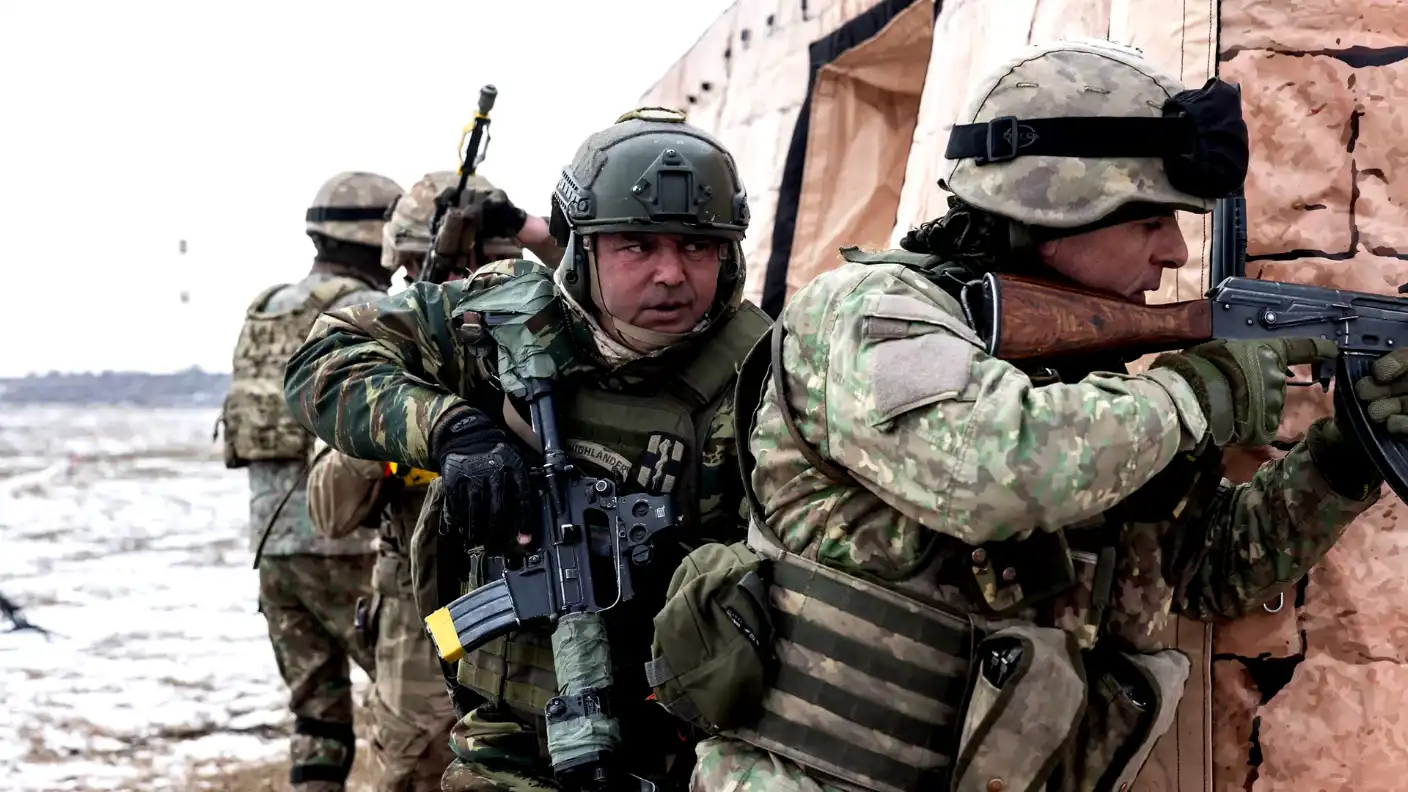
In a highly significant shift for transatlantic defense, the head of the North Atlantic Treaty Organization confirmed on Wednesday that European nations are rapidly stepping up to assume primary responsibility for the continent’s security. Speaking at a pre-ministerial press conference at the alliance’s headquarters in Brussels, Secretary General Mark Rutte announced that European member states have officially increased their troop and equipment pledges for the joint crisis response force pool. This dramatic rebalancing of defense responsibilities represents a direct, coordinated effort to compensate for a substantial reduction in U.S. military assets allocated to the region’s defense model, marking the end of an era of deep European dependence on American conventional power.
The sudden increase in European military pledges comes in direct response to the Pentagon’s highly publicized plans to “rightsize” its security commitments on the continent. Under a revised strategic force model, the American administration has begun scaling back the specialized, high-end assets it makes available to the alliance during a major crisis, choosing instead to focus its resources on regional challenges in the Indo-Pacific. The planned American reductions will remove several critical assets from the joint defense pool, including cutting F-16 and F-15E fighter jets from 153 to just 99 aircraft, reducing P-8 Poseidon maritime patrol planes from 26 to 15, and slashing aerial refueling tankers from 79 to 63. Additionally, Washington has decided to withdraw its missile-launching submarines completely from the crisis-force framework.
To bridge this massive technological and physical gap, European governments are rapidly expanding their contributions under the alliance’s newly established “NATO Force Model.” This strategic framework, designed to keep over 300,000 troops on high alert to respond to sudden aggression, relies heavily on individual member states pledging specific, pre-vetted military units for emergency operations. Rutte confirmed that European allies have successfully stepped up to contribute more frontline forces, including advanced fighter squadrons, mechanized infantry brigades, and air-defense batteries. By pooling these domestic resources, European nations are demonstrating their resolve to build a credible, independent conventional defense shield along the alliance’s highly vulnerable eastern flank.
This rapid rebalancing of military contributions aligns perfectly with a broader, long-term transition toward a more balanced transatlantic security relationship. For years, American policymakers have complained that European allies were failing to shoulder their fair share of the collective security burden, relying too heavily on U.S. taxpayers and hardware. Under the current administration, the Pentagon has made it clear that the future relationship must be based on genuine partnerships rather than absolute dependencies, expecting Europe to carry the primary burden for its conventional defense. This strategic shift is forcing European leaders to recognize that they can no longer treat national defense as a secondary priority, prompting a massive wave of rearmament across the continent.
Rutte delivered these critical updates just ahead of a highly anticipated meeting of NATO Ministers of Defence scheduled to take place at the Brussels headquarters on Thursday. The ministerial gathering will bring together defense chiefs from all 32 member states to formally ratify the new force allocation plans and review the alliance’s overall deterrence posture. The ministers will focus heavily on ensuring that the newly pledged European crisis forces are fully equipped, properly trained, and seamlessly integrated into the joint command structure. The goal is to prove to both a skeptical American administration and potential regional adversaries that Europe’s new defense pledges represent real, combat-ready capabilities rather than mere paper promises.
In addition to addressing the internal force rebalancing, the Secretary General used the Brussels press conference to warmly welcome the major diplomatic breakthrough in the Middle East. Rutte hailed the preliminary peace agreement between the United States and Iran, which aims to end their nearly four-month war and gradually reopen the strategic Strait of Hormuz. He called the planned restoration of free passage through the narrow trade corridor a “massive step forward” for the global economy, which has suffered severe supply shocks and high inflation due to the maritime blockades. Rutte emphasized that many European allies, led by specialized initiatives from France and the United Kingdom, stand ready to provide immediate technical and naval support to secure the shipping lanes.
Despite the widespread diplomatic celebration, the Secretary General acknowledged that physically reopening the strategic waterway represents a highly complex and dangerous challenge. During the active months of warfare, both military forces deployed numerous sea mines throughout the shallow waters of the Strait of Hormuz, rendering the channel impassable for commercial cargo vessels. Under the terms of the preliminary memorandum of understanding, specialized naval teams must work quickly to clear these explosive hazards during the initial 60-day negotiation window. Rutte confirmed that European navies, which possess some of the world’s most advanced mine-countermeasure vessels and underwater drones, are prepared to deploy to the region to ensure the safe and rapid resumption of international maritime trade.
While the increased military pledges demonstrate a commendable political resolve, they are also placing an unprecedented financial strain on European national budgets. Achieving the necessary military modernization and meeting the alliance’s 2% of GDP defense spending target requires European governments to allocate tens of billions of euros in additional funding annually. In countries like Germany, France, and Italy, this massive surge in military spending is triggering intense domestic political debates, as lawmakers must find a way to fund new weapon systems while managing ballooning deficits and public sector cuts. Some defense experts warn that to truly replace the departing American capabilities, European nations may eventually need to raise their defense spending to 3.5% or even 5% of gross domestic product.
To ensure that this massive increase in defense spending actually translates into sustainable, long-term security, European leaders are also working to indigenize their defense industrial bases. For decades, European militaries have relied heavily on purchasing American-made hardware, creating severe supply-chain vulnerabilities when U.S. manufacturers face production bottlenecks. By prioritizing domestic procurement and investing in regional aerospace, missile defense, and ammunition factories, European governments hope to build a more resilient industrial network. This shift toward domestic manufacturing will not only boost local economies and support high-skilled engineering jobs, but it will also ensure that Europe has the industrial capacity to sustain its own military forces during a prolonged crisis.
Ultimately, the historic announcement that European allies have successfully increased their crisis force pledges marks a critical turning point in the modern history of the alliance. By stepping up to fill the vacuum left by the departing American forces, European leaders have proven that they are willing to translate their diplomatic rhetoric into concrete, physical defense capabilities. While the transition toward a more self-reliant Europe is filled with immense financial challenges and political hurdles, it represents the only viable path forward in an increasingly volatile global landscape. As the defense ministers gather in Brussels to finalize these plans, the world is witnessing the birth of a more balanced, mature, and resilient partnership—one where European security is finally placed in European hands.















