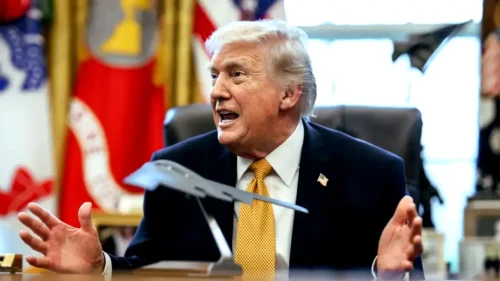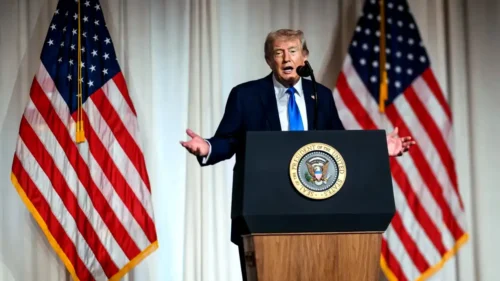

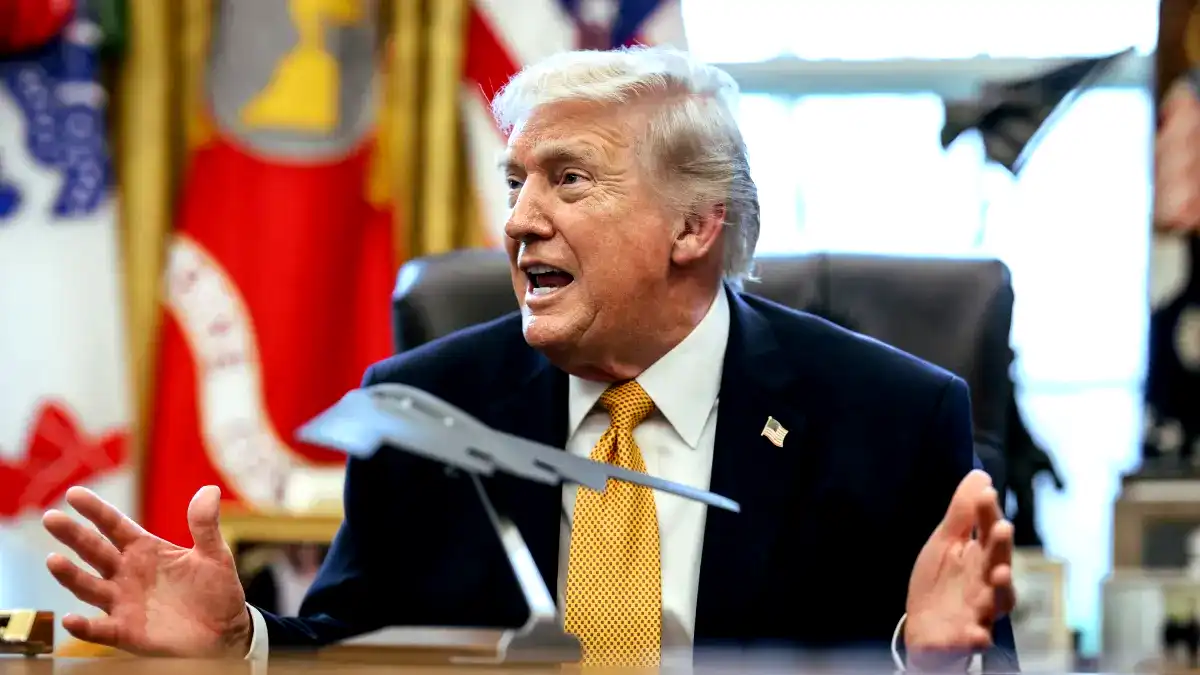
The fragile roadmap to end the three-month military conflict in the Middle East has hit a sudden wave of uncertainty. Speaking to reporters on the sidelines of the G7 summit in Evian-les-Bains, France, U.S. President Donald Trump warned that the recently announced peace agreement with Iran is not a final settlement, but a preliminary memorandum of understanding. In a characteristically blunt statement alongside Egyptian President Abdel Fattah al-Sisi, Trump declared that Washington is fully prepared to resume its bombing campaign if Tehran fails to comply with American demands. The warnings immediately shook global energy markets and injected severe volatility into a deal that was supposed to fully reopen the blocked global shipping lanes by the end of the week.
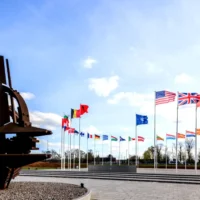
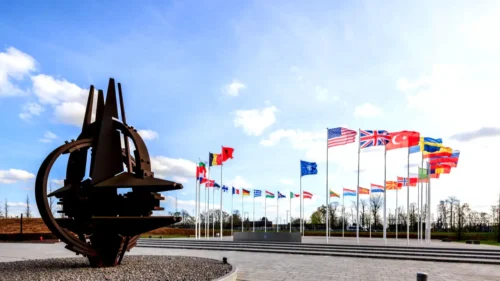
The dramatic remarks overshadowed the final stages of the three-day G7 summit hosted on the French shores of Lake Geneva. Leaders from the United States, the United Kingdom, France, Germany, Italy, Japan, and Canada had gathered in the Alpine resort of Evian-les-Bains to discuss global economic security and trade imbalances. While the wealthy nations initially released a joint statement praising the breakthrough framework, the mood turned tense as the fine print of the deal began trickling out. Diplomats had hoped the summit would serve as a backdrop for a smooth transition toward Friday’s planned signing ceremony in Switzerland, but the U.S. leader’s combative stance revealed how many loose ends remain.
At the heart of the ongoing negotiations is a highly sensitive 14-point framework accord designed to permanently halt military operations across all fronts. Leaked drafts of the memorandum indicate that the agreement centers on an immediate and permanent ceasefire, which crucially covers active conflict zones in southern Lebanon. However, the regional implementation faces massive hurdles. Israeli Prime Minister Benjamin Netanyahu has publicly insisted that Israeli forces will remain in southern Lebanon as long as necessary, while regional representatives argue that the peace plan must feature a total withdrawal. This disconnect threatens to derail the fragile truce even before the ink is dry on the official documents.
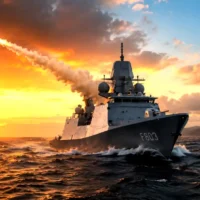
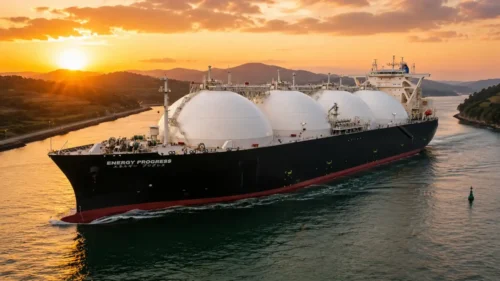
Beyond the ceasefire, the deal’s most critical economic consequence is the scheduled reopening of the Strait of Hormuz. The vital maritime channel, through which roughly 20% of the world’s oil and liquefied natural gas is squeezed before the conflict, has been choked off by an American naval blockade and retaliatory Iranian actions. Under the terms of the memorandum, the United States has agreed to lift its naval blockade and allow the toll-free transit of commercial vessels starting this Friday. However, clearing the waterway is a massive physical challenge, as specialized naval units are still actively sweeping the strait for mines planted during the hostilities.
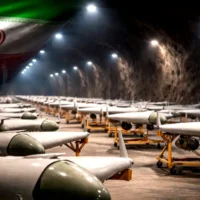
To secure Tehran’s cooperation, the draft agreement offers substantial economic incentives in exchange for strict nuclear concessions. Upon signing, Iran is set to receive immediate waivers allowing the unrestricted export of its crude oil and petrochemical products. The framework also outlines a process to unfreeze billions of dollars in blocked Iranian assets held in international banks. Crucially, the release of this financial relief remains strictly tied to Iran’s compliance with American demands, which require the country to completely neutralize its enriched uranium stockpile and abandon its long-term nuclear ambitions.
Despite the promised sanctions relief, one major point of domestic political friction has erupted over a reported regional reconstruction program. Draft details leaked by international media suggested the peace deal includes a roughly $300 billion development fund to rebuild war-torn infrastructure in the Middle East. Trump vehemently rejected these reports at the summit, asserting that the United States is not putting up a single cent for such a fund. While the U.S. President clarified that Washington will not block wealthy Gulf nations from investing their own capital into regional reconstruction, his firm refusal to commit American taxpayer funds has exposed internal divisions among international negotiators.
The current administration is also working hard to distance this memorandum from legacy diplomatic agreements, particularly the 2015 nuclear deal. Trump criticized previous diplomatic efforts, claiming they relied on multi-billion-dollar cash payouts and failed to address Iran’s regional military footprint. However, critics point out that the new framework leaves many details unresolved, allowing Iran to maintain some of its advanced enrichment capabilities while negotiators hammer out a final treaty over a scheduled 60-day window. This has led to intense skepticism from opposition lawmakers who argue the new deal is far less restrictive than the agreements the administration previously discarded.
The high-stakes geopolitical drama has triggered sharp movements across global energy markets. Brent crude futures, the international benchmark, slipped below $80 per barrel for the first time since March following the initial announcement of a breakthrough. However, prices quickly rebounded, climbing over 1% on Wednesday as traders weighed Trump’s threatening rhetoric against the prospect of an immediate supply return. Energy analysts warn that even if the blockade officially ends on Friday, global supply chains will require significant time to fully normalize due to ongoing security sweeps and shipping company anxieties.
In response to the volatile energy landscape, G7 leaders are accelerating plans to permanently reduce their reliance on Middle Eastern trade routes. During their working sessions in Evian-les-Bains, representatives discussed long-term strategies to diversify their energy imports, focusing heavily on expanding alternative maritime corridors and scaling up domestic green energy infrastructure. The blockades and subsequent price spikes have convinced Western policymakers that depending on narrow chokepoints like the Strait of Hormuz poses an unacceptable risk to global economic stability, regardless of whether the current peace deal succeeds.
Ultimately, the transition from active conflict to a lasting peace remains a deeply precarious process. While the upcoming signing ceremony in Switzerland offers a historic opportunity to de-escalate a devastating regional war, Donald Trump’s warnings serve as a stark reminder that the truce is built on incredibly fragile foundations. As the global community watches to see if the Strait of Hormuz will truly open to commercial traffic this Friday, the world is learning that in modern geopolitics, a memorandum of understanding is only as strong as the willingness of both sides to behave.