

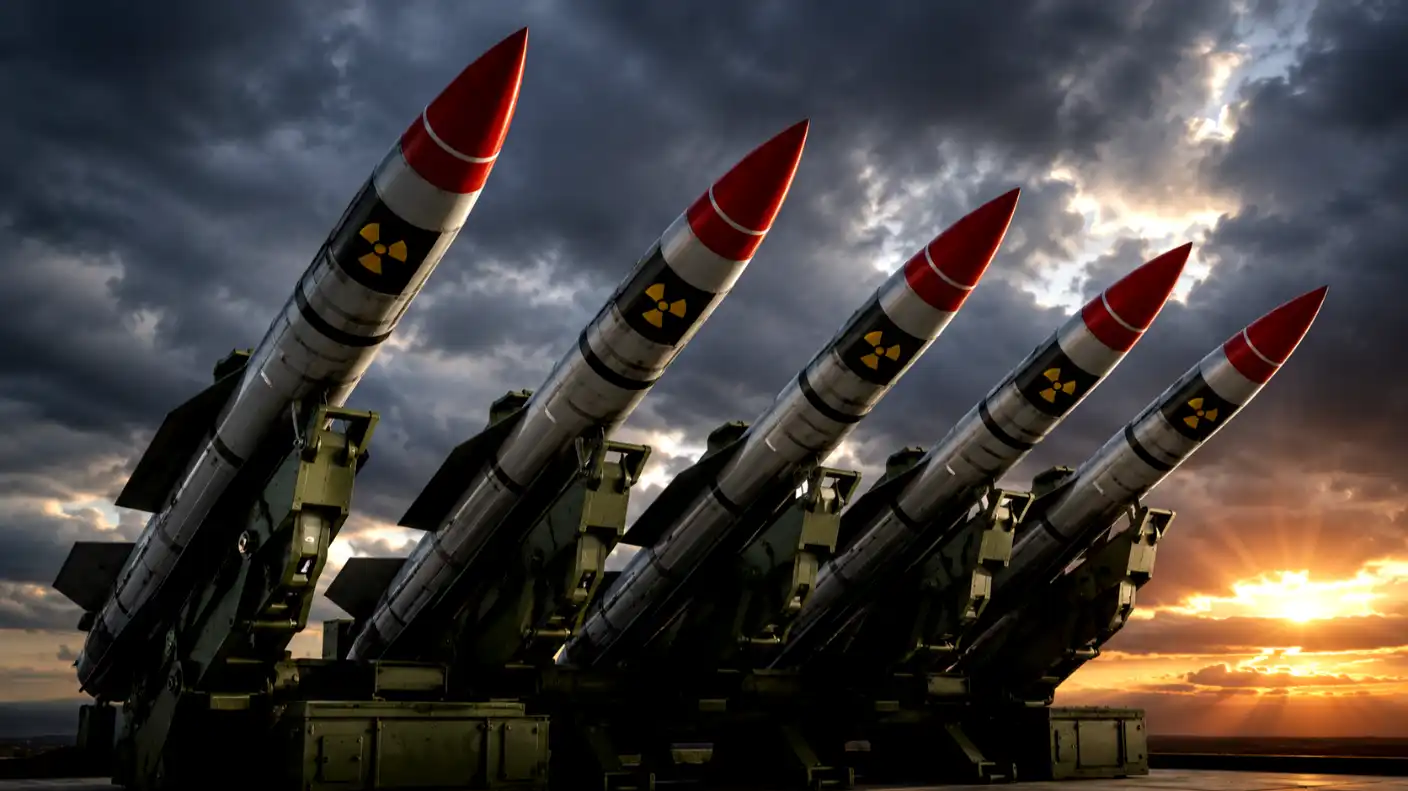
Finland has made a historic move to dismantle its Cold War-era military restrictions in response to growing tensions on Europe’s eastern edge. In a decisive legislative session on Wednesday, the Finnish Parliament voted to overturn the country’s decades-old prohibition on nuclear weapons within its borders. The momentous policy change allows Helsinki to receive, transport, and station allied nuclear munitions on its territory to support defense operations. The vote represents a dramatic shift in Northern Europe’s military landscape, signaling that the newest member of the transatlantic alliance is fully committing to the ultimate level of Western defense deterrence.
The legislative proposal triggered intense debates in the Eduskunta, Finland’s parliament, before lawmakers reached a final decision. In the end, 125 members of parliament voted in favor of the historic bill, while 61 members opposed the measure. The newly passed legislation introduces sweeping amendments to the Finnish Nuclear Energy Act of 1987 and makes key revisions to the national Criminal Code. The legal adjustments explicitly legalize the import, transit, supply, and possession of nuclear explosive devices, provided these activities directly support Finland’s military defense or NATO’s collective security operations.
This historic vote officially ends a nuclear policy that has defined Finnish security for nearly 40 years. The original nuclear ban was written into law in 1987, a time when Finland maintained a delicate policy of strict neutrality to avoid provoking the neighboring Soviet Union. For decades, the ban served as a diplomatic shield, ensuring that no foreign nuclear weapons would ever be stationed on Finnish soil. Even after the collapse of the Soviet Union and Finland’s integration into Western economic institutions, Helsinki chose to keep the restriction intact as a symbol of its commitment to global disarmament and regional de-escalation.
The drive to rewrite the nation’s nuclear laws picked up rapid momentum following Finland’s entry into the North Atlantic Treaty Organization in April 2023. Finnish Defense Minister Antti Häkkänen strongly championed the legal changes, arguing that the Cold War-era restrictions were completely out of step with the country’s responsibilities as a frontline NATO ally. In a public statement shortly before the vote, Häkkänen emphasized that lifting the ban brings Finnish legislation into perfect alignment with its closest allies and allows the country to fully benefit from NATO’s nuclear umbrella. He noted that the policy update is essential for establishing a cohesive, modern defense posture that leaves no doubt about the nation’s security guarantees.
The primary catalyst behind this dramatic military pivot is the rapidly deteriorating security environment in Northern Europe. Finland shares a massive land border stretching more than 1,300 kilometers with Russia, making it the alliance’s longest and most vulnerable frontier with its eastern neighbor. Since the outbreak of conflict on the continent, Helsinki has faced persistent hybrid threats, including GPS jamming incidents, targeted cyberattacks, and the weaponization of migration flows across its borders. By eliminating the legal barrier to nuclear weapons, Finnish policymakers are sending a clear, defensive message to deter any potential provocations or territorial pressure from across the border.
Despite the comfortable majority in parliament, the policy change has met with significant skepticism among the Finnish public. Recent opinion polls indicate that a large portion of the population remains wary of introducing nuclear weapons to Finnish soil, fearing it could turn the country into a primary target in a potential global conflict. Recognizing these domestic concerns, Finnish President Alexander Stubb has repeatedly clarified that the government has no active plans to permanently host foreign nuclear arsenals during peacetime. Instead, officials explain that the law simply removes a legal bottleneck, allowing allied forces to move defense assets through Finnish territory during active crises or joint military exercises.
Finland’s nuclear policy shift accompanies a massive ramp-up in its conventional military capabilities. The Nordic nation currently allocates approximately 2.3% of its total gross GDP to national defense, comfortably exceeding NATO’s minimum spending target of 2.0%. Helsinki’s military budget, which surpasses $6 billion annually, supports one of Europe’s most formidable conscript armies, a state-of-the-art fleet of fighter jets, and highly advanced artillery systems. Integrating nuclear deterrence into this existing conventional powerhouse creates a formidable defensive barrier along the Baltic Sea and Arctic regions.
The decision also marks a significant shift in Finland’s approach to international arms control and disarmament treaties. Shortly after joining the alliance, the Finnish government issued an official report declaring the United Nations Treaty on the Prohibition of Nuclear Weapons to be entirely incompatible with its NATO membership. Officials argued that signing the global ban would weaken Finland’s influence within the alliance and could be interpreted by allies as a lack of defense solidarity. By formally embracing the nuclear deterrence model, Helsinki has officially prioritized hard security guarantees over its traditional role as an international mediator for global disarmament.
Finland’s decision highlights a growing divergence in how different Nordic and Baltic nations handle nuclear weapons within the alliance. While countries like Denmark and Norway have long maintained strict national policies that prohibit the stationing of foreign nuclear weapons or military bases on their territories during peacetime, Finland’s new law is much more permissive. By removing the legal ban entirely, Helsinki has given its future governments maximum flexibility to adapt to evolving security threats. This open-ended approach is mirrored in neighboring Baltic states, which have frequently called for a stronger and more visible allied nuclear presence in Eastern Europe.
Ultimately, the decision to tear up the nuclear ban represents a watershed moment in Northern European history. By replacing a Cold War-era policy of cautious neutrality with active participation in Western nuclear deterrence, Finland has permanently closed the chapter on its non-aligned past. While the legislative shift will undoubtedly heighten tensions with Moscow in the short term, Helsinki has made it clear that the realities of modern security leave no room for legal half-measures. As the nation deepens its integration with NATO, the new law establishes a robust legal foundation designed to secure Finland’s sovereignty and protect its 1,300-kilometer border for generations to come.















