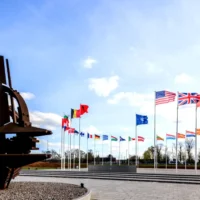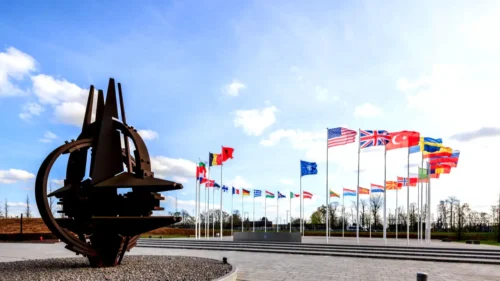

World leaders at the G7 summit in France have united to call for an immediate end to the devastating hostilities in Lebanon, even as President Donald Trump cast fresh doubt on the finality of a landmark peace agreement with Iran. Gathering in the lakeside town of Evian-les-Bains, heads of state hailed the preliminary ceasefire with Tehran but warned that a wider Middle East conflict still threatens to tear the region apart. Despite the diplomatic progress, ongoing Israeli airstrikes in Lebanon and retaliatory drone attacks by Hezbollah have highlighted the fragile nature of the truce, leaving global oil markets and security analysts on high alert.
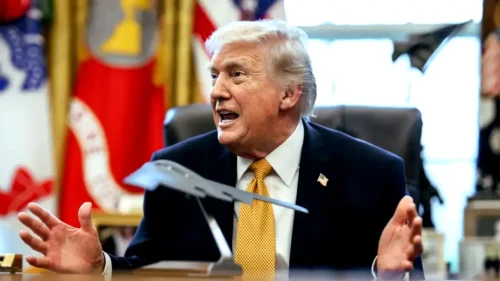
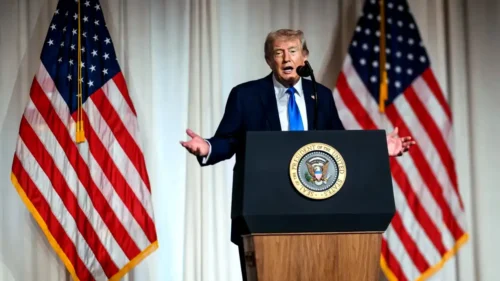
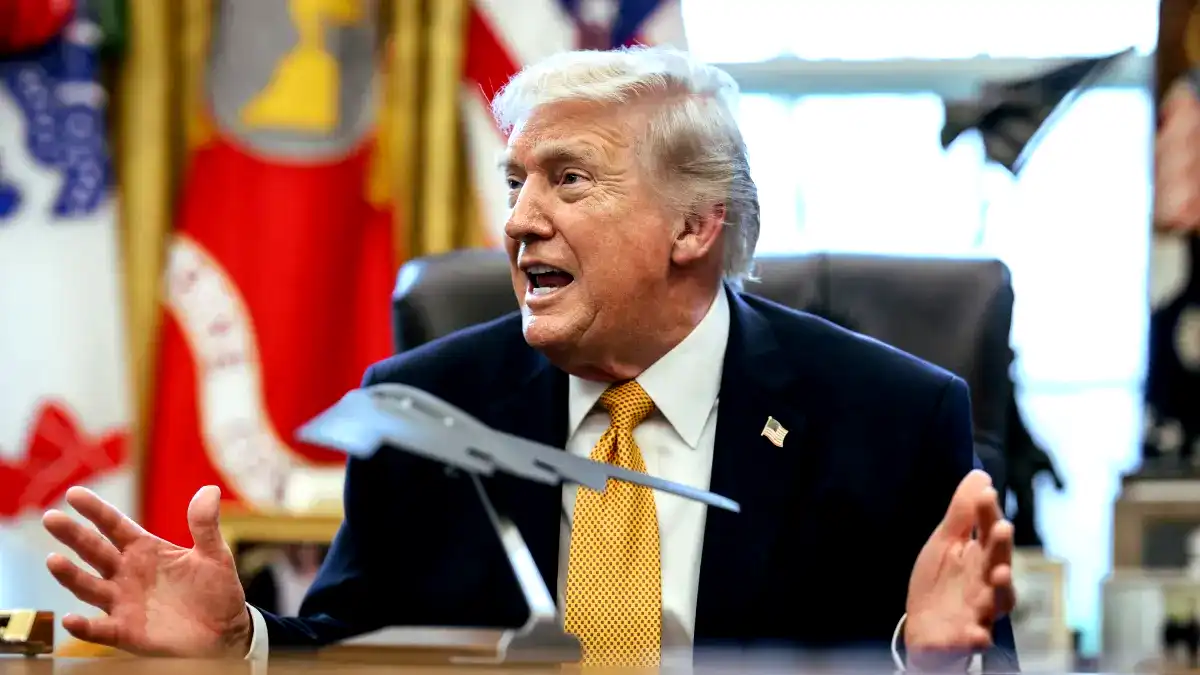
The diplomatic momentum faced an immediate reality check when Trump addressed reporters on the sidelines of the summit, asserting that the new peace agreement is not yet a final settlement. He clarified that the current document is merely a high-level memorandum of understanding, warning that the United States is fully prepared to resume military operations if Tehran fails to comply. Trump’s blunt declaration that the military could go back to dropping bombs on Iranian forces if they do not behave came just days after both sides announced the breakthrough. The combative comments immediately cooled some of the geopolitical optimism that had pushed global energy markets downward earlier in the week.
Despite Trump’s verbal threats, diplomats are still moving forward with preparations for a formal signing ceremony scheduled for Friday in Geneva, Switzerland. The location of the ceremony sits just across the Swiss border, about an hour’s drive along the shore of Lake Geneva from the G7 meeting in Evian-les-Bains. The memorandum of understanding extends an initial ceasefire that began in April by another 60 days, giving both Washington and Tehran a narrow window to negotiate a permanent, comprehensive peace treaty. This temporary framework seeks to halt a highly destructive war that has severely impacted global trade and regional stability since late February.
While welcoming the Iran deal, G7 leaders from Britain, Canada, France, Germany, Italy, Japan, and the United States issued a joint statement demanding an immediate ceasefire in Lebanon. The regional conflict between Israeli forces and the Iran-backed Hezbollah group has created a massive humanitarian crisis, displacing more than one million people over the past several months. Although the memorandum of understanding calls for a total cessation of hostilities, fighting on the ground has abated but not been completely stopped, leaving hundreds of thousands of displaced families stranded in unstable conditions.
The precarious state of the truce was painfully clear on Wednesday as fresh military clashes erupted across southern Lebanon. Lebanese state media reported repeated Israeli airstrikes and heavy artillery fire hitting several southern towns, including the heavily damaged city of Nabatieh, where entire streets have been reduced to ruins. Meanwhile, Lebanese security sources confirmed that Hezbollah launched two targeted drone attacks against Israeli military positions, which Israel later reported had injured five of its soldiers. Because Israel was not a direct party to the secret negotiations between the U.S. and Iran, the Israeli government has repeatedly stated that it retains the full right to use military force to defend its northern border.
The G7 summit provided President Trump with a vital platform to present the preliminary framework to key Western allies. While the leaders of Britain, France, and Germany shared Washington’s deep concerns regarding Iran’s nuclear ambitions, they historically refused to endorse Trump’s decision to launch the military campaign in late February. European diplomats have quietly expressed concern that Tehran has actually gained strategic leverage during the conflict by maintaining its administrative structure despite the heavy American military onslaught. In their joint declaration, G7 leaders emphasized that any final negotiated peace must permanently prevent Iran from acquiring nuclear weapons.
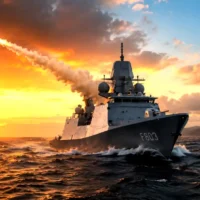
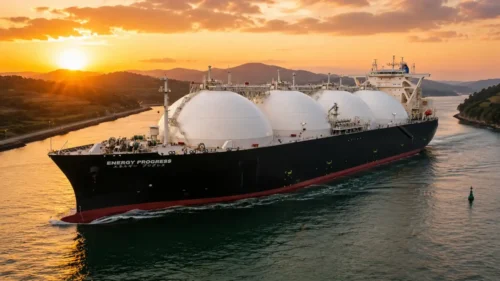
A critical component of Friday’s scheduled signing ceremony is the official plan to reopen the Strait of Hormuz to international shipping. To support this objective, a joint military coalition led by Britain and France is preparing to deploy naval assets to help secure commercial vessels once the waterway officially reopens. The Strait is the most crucial oil transit route in the world, handling approximately 20% of global petroleum liquids before the blockade. Clearing the channel of naval mines and restoring shipping container routes is a high priority for European economies, which have suffered from severe supply chain disruptions and high energy costs throughout the conflict.
The high-stakes diplomatic maneuvering triggered immediate reactions across global energy markets, reversing a sharp multi-day downward trend. Before Trump’s comments, hopes of a successful Friday signing had sent oil prices tumbling by nearly 10% over two sessions, with Brent crude futures sliding below $80 per barrel for the first time since the start of the conflict. However, the U.S. President’s threatening rhetoric quickly stabilized prices, preventing a deeper collapse as traders factored in the risk of a sudden return to active hostilities. Financial analysts warn that energy prices will remain highly volatile until a permanent, verified treaty is officially implemented.
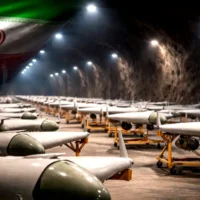
As the Friday signing ceremony approaches, political analysts are actively evaluating whether the war achieved any of its original strategic objectives. Opponents of the conflict point out that Iran’s theocratic government remains firmly in power, and its stockpile of highly enriched uranium has not been surrendered or destroyed. Furthermore, Tehran’s ballistic missile capabilities remain largely intact, and the state has not ended its financial and logistical support for Hezbollah. While Trump claims the agreement ensures that Iran will never obtain a nuclear weapon, critics argue that this merely restates a position Iran has held officially since the 1970s, raising domestic political risks for the President ahead of upcoming mid-term elections.
While political leaders in Tehran have declared the interim ceasefire agreement a massive diplomatic victory over Washington, the mood among ordinary citizens remains deeply somber. Months of intense military conflict and years of crippling international sanctions have pushed the Iranian economy to the brink of collapse, leaving the local population to grapple with severe inflation and chronic shortages of basic goods. Residents describe a population stuck in survival mode, living day-by-day with little hope for a prosperous future. For these citizens, the high-level negotiations in Switzerland are a distant political theater that offers very little immediate relief from their daily struggles.