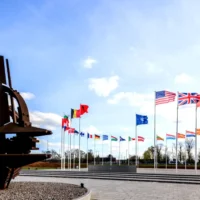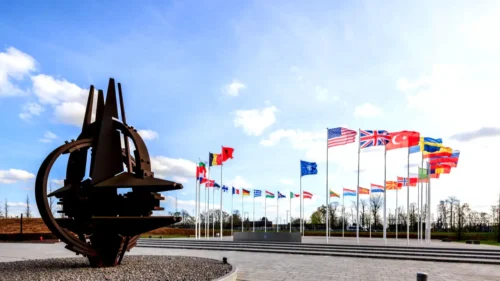

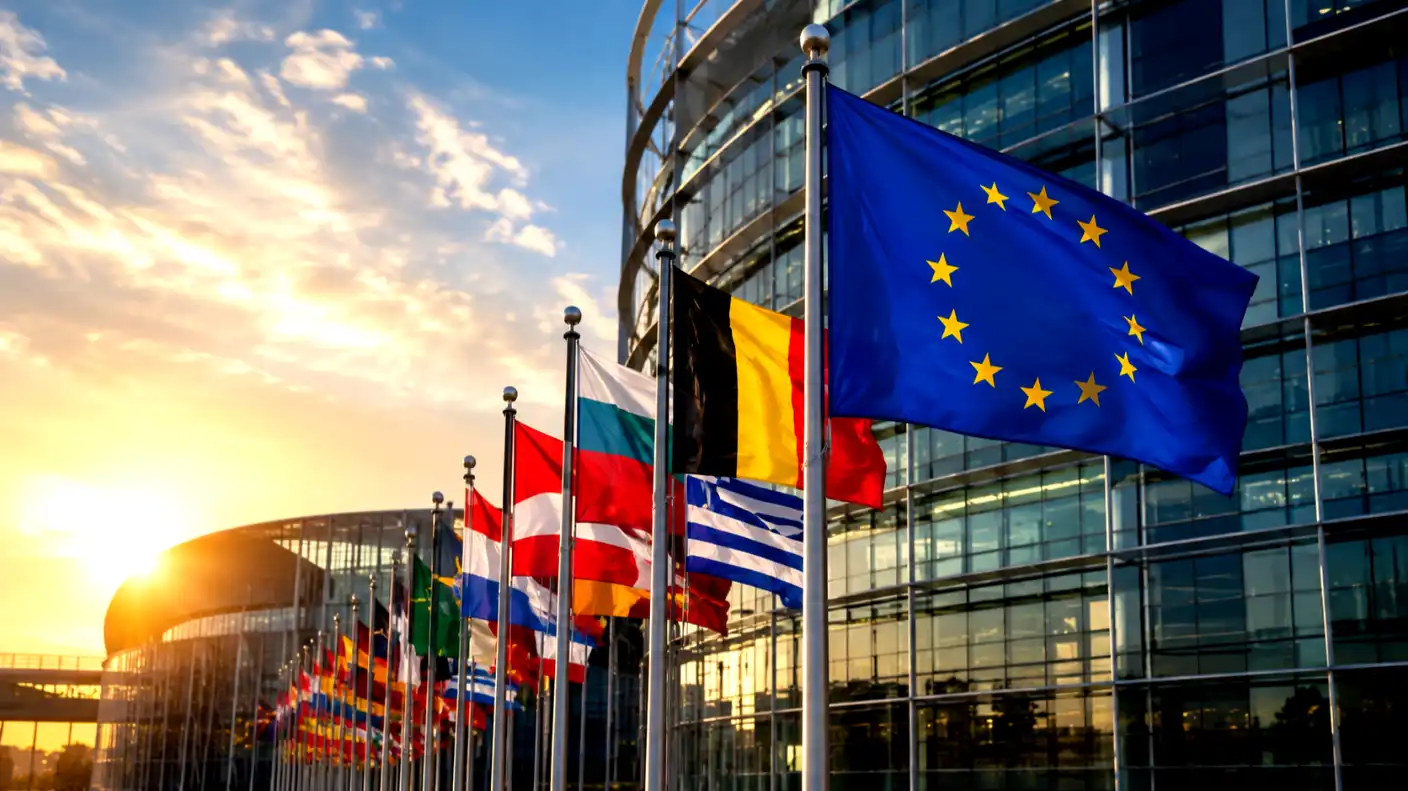
European Union leaders gathered in Brussels for a high-stakes two-day summit to confront a series of existential economic and geopolitical challenges. Under the chairmanship of newly appointed European Council President António Costa, the heads of state are working to finalize a cohesive strategy to shield the bloc’s domestic industries from a massive surge of Chinese imports. The summit also focuses heavily on securing a multi-trillion-euro long-term budget, managing the diplomatic expansion of the union, and solidifying financial aid for war-torn Ukraine. This rare gathering marks a critical test of European unity as member states attempt to navigate growing global economic imbalances and protect their industrial sovereignty.
The central topic dominating the leaders’ working dinner is the unsustainable trade imbalance between the European Union and China. Last year, the bloc’s trade deficit with Beijing reached an unprecedented €360 billion, which equates to roughly $417 billion. This staggering figure means that European consumers are buying over €1 billion more in Chinese goods every single day than they export back. For the first time in history, all 27 EU member states recorded a trade deficit with China last year, sparking deep anxieties in Brussels about industrial de-industrialization. This massive import flood, widely dubbed the second “China shock,” is putting immense pressure on European competitiveness, particularly in high-tech manufacturing, chemicals, and green technology.
While all 27 capital cities agree on the diagnosis of the economic threat, they remain deeply divided on the best cure. French President Emmanuel Macron has been leading a vocal push for the EU to create its own equivalent of “Section 301″—the aggressive trade tool that the United States uses to set sweeping unilateral tariffs on foreign goods. Macron argues that Europe’s economic sovereignty is at stake, and the bloc must act decisively to protect its factories. However, countries with highly export-dependent economies, such as Germany, have historically adopted a much more cautious posture, fearing that retaliatory tariffs from Beijing could devastate their automotive and machinery sectors.
To bridge these divisions, EU trade officials are pitching a series of innovative defensive measures designed to protect key supply chains without triggering a full-blown trade war. Trade Commissioner Maros Sefcovic is advocating for a new “diversification instrument” that would legally require European companies in critical sectors to secure at least three different suppliers across two or more countries. This mechanism seeks to prevent European industries from relying exclusively on a single foreign exporter for essential materials. Industry representatives are also pushing for the broader, sector-focused use of foreign subsidy regulations to combat the unfair market distortions caused by state-funded Chinese competitors.
Aside from trade debates, the summit represents a significant political milestone for the European Union’s relationship with Ukraine. For the first time in nearly two years, all 27 member states, including Hungary, unanimously agreed on the joint conclusions regarding support for Kyiv and its path toward EU accession. This return to political “normality” follows a long period where other member states had to bypass individual vetoes by voting as a coalition of 26. The diplomatic breakthrough coincides with the official opening of the first rule-of-law cluster of accession negotiations with Ukraine and Moldova, bringing both nations a step closer to full integration.
The leaders are also initiating negotiations for the next Multiannual Financial Framework, which will set the EU’s joint budget for the seven years running from 2028 to 2034. While the current budget operates close to €1.2 trillion, the next spending plan is expected to exceed €2 trillion to account for high defense requirements, the green transition, and the potential addition of new member states. Because the budget negotiations are in their infancy, this week’s discussions are focused on setting the initial foundations for a consensus. Officials acknowledge that deciding how to fund this massive increase while consolidating national budgets will be one of the most contentious debates of the decade.
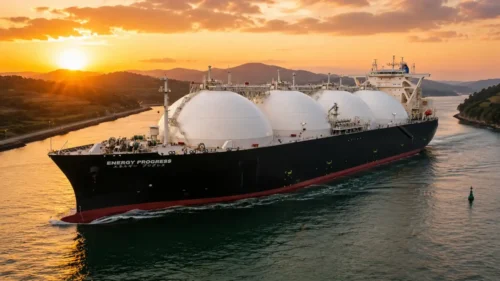
The summit’s agenda also covers critical energy security challenges stemming from recent Middle Eastern conflicts. During their foreign policy discussions, leaders welcomed the tentative peace memorandum of understanding between the United States and Iran, emphasizing that the vital Strait of Hormuz must reopen with full freedom of navigation restored toll-free. The temporary closure of this chokepoint, which normally handles 20% of global petroleum liquids, triggered a severe energy shock that hit European consumers hard. To prevent future disruptions, G7 and EU leaders are coordinating alternative export routes to permanently reduce their reliance on transit through the strategic waterway.
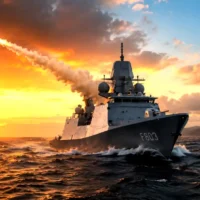
Connected to their Middle East discussions, EU leaders joined their international partners in demanding an immediate, genuine ceasefire in Lebanon. The ongoing fighting between Israeli forces and the Iran-backed Hezbollah group has displaced more than one million people, creating an acute humanitarian crisis on Europe’s southern doorstep. The EU has pledged to assist in stabilizing the region, with a joint maritime security coalition led by France and Britain standing ready to help secure regional shipping lanes once a permanent peace is signed. However, diplomats acknowledge that the situation remains highly volatile, requiring close coordination with regional powers.
Finally, the summit is reviewing progress on the “One Europe, One Market” roadmap, which aims to drive economic competitiveness through digital and artificial intelligence transformation. As European companies navigate global technology standards, leaders are debating how to balance strict regulatory safety with the need to foster local innovation. The recent decisions by foreign tech firms to restrict European access to state-of-the-art AI models have heightened calls for European digital sovereignty. Leaders are discussing plans to simplify regulations and build independent domestic computing capacity, ensuring that European companies do not fall behind their American and Asian competitors.
Ultimately, the Brussels summit highlights a highly transformative moment for the European Union as it prepares for a more competitive and fragmented global economy. By confronting the reality of the €360 billion trade deficit with China and laying the groundwork for a €2 trillion budget, the bloc is attempting to shift from a defensive posture into an active, strategic player on the world stage. While significant disagreements regarding the implementation of tariffs and budget allocations remain, the rare display of unanimity on Ukraine shows that when faced with existential external pressures, the 27 member states are still capable of speaking with a single, powerful voice.