
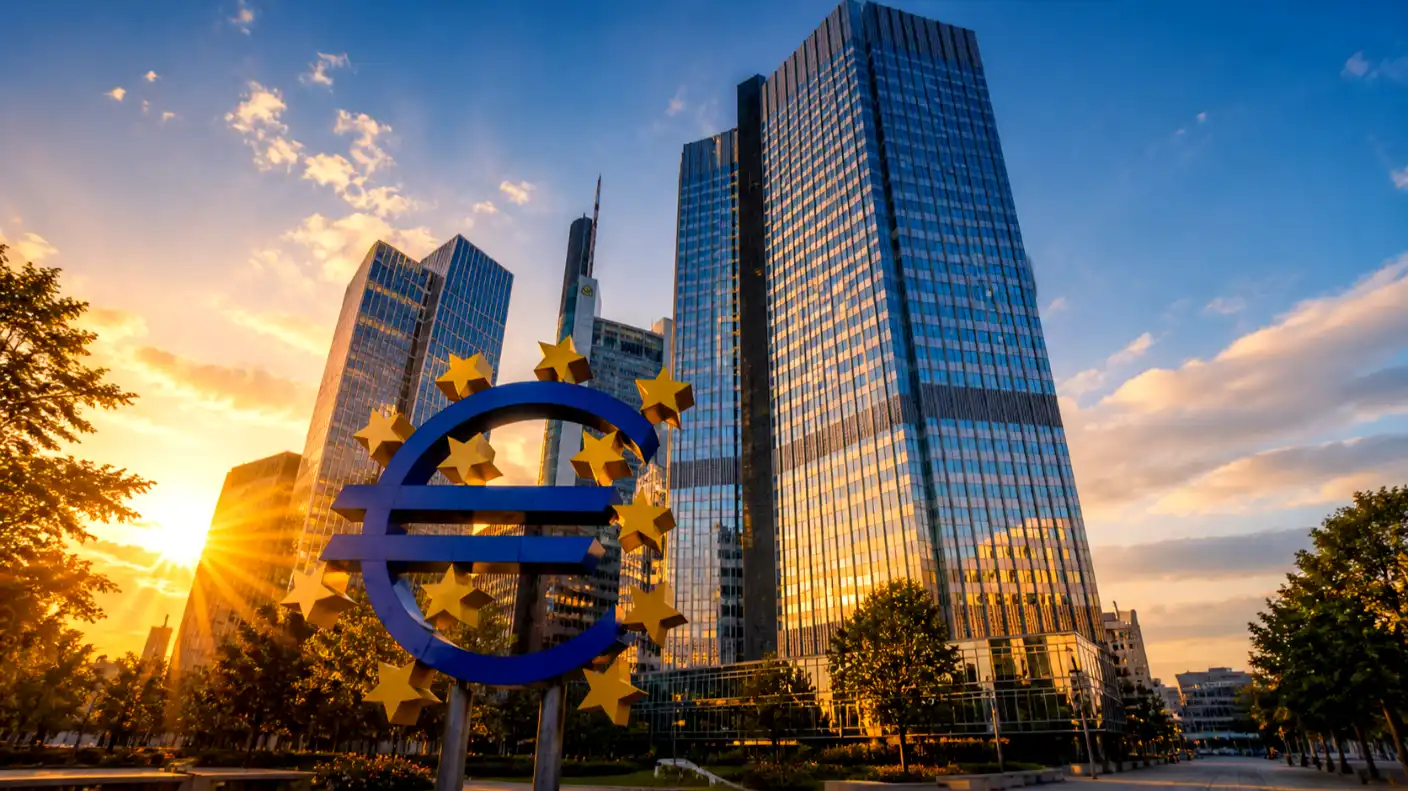
The European economy is holding its ground despite facing significant global headwinds and high-stakes energy disruptions. Speaking at an economic forum in Hertfordshire, United Kingdom, European Central Bank Chief Economist Philip Lane characterized the current economic situation as a medium-sized shock, pointing out that the region is experiencing a much smaller disruption than the massive energy crisis of 2022. Lane expressed confidence in the Eurozone’s underlying resilience, declaring that the economy is doing okay under present conditions. He strongly defended the central bank’s recent decision to raise key interest rates, arguing that the proactive move was a safe and straightforward choice to protect the 21-country currency bloc from runaway inflation.
The defensive remarks follow the central bank’s decision last week to raise its three key interest rates by 25 basis points, bringing the benchmark deposit facility rate to 2.25%. The rate hike, which marked the institution’s first monetary tightening in nearly three years, also lifted the main refinancing operations rate to 2.4% and the marginal lending facility rate to 2.65%. While some private sector economists warned that the bank risks choking off a fragile recovery, Lane explained that the decision was robust across multiple hypothetical scenarios. Even if a milder economic path unfolds, raising the deposit rate from 2.0% to 2.25% remains a highly defensible safeguard to anchor inflation expectations.
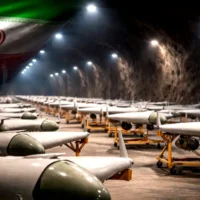
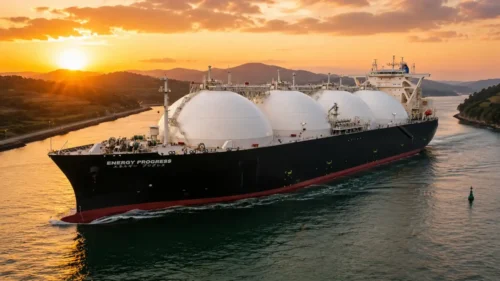
The core catalyst behind Europe’s recent economic tension is the ongoing military conflict in the Middle East. The war, which erupted in late February, triggered a severe energy shock as combatants closed the strategically crucial Strait of Hormuz. The blockade cut off a channel that normally handles roughly 20% of global oil and liquefied natural gas shipments, driving up energy costs and pushing Eurozone headline inflation to 3.2% in May, up from 3.0% in April. To shield the region’s economy, policymakers are closely tracking how these increased fuel and transportation costs might feed into the broader cost of daily goods and services.
Despite the severe disruption to global supply chains, Lane pushed back against panicky comparisons to the devastating oil crises of the 1970s. He emphasized that the European economy has undergone a massive structural transformation over the past few decades, making it significantly less dependent on crude oil than it was during previous generations. The rapid expansion of renewable energy sources, hydro power, and nuclear generation has diversified the region’s energy mix, cushioning the domestic economy from the full impact of foreign supply blockades. While the conflict continues to generate a high level of economic uncertainty, its direct impact on overall economic activity remains manageable.
To account for the prolonged energy shock, the central bank has officially adjusted its macroeconomic forecasts for the Eurozone. In its latest quarterly update, the institution lifted its baseline inflation projection for this year to an average of 3.0%, representing a significant increase from the 2.6% rate predicted in March. Policymakers expect inflation to gradually cool to 2.3% next year before stabilizing at the official 2.0% target by the end of the forecast period. By acting decisively to raise borrowing costs now, the governing council hopes to prevent this temporary energy-driven price spike from becoming permanently embedded in domestic wage demands and business pricing models.
While volatile energy prices drive the headline inflation numbers, central bank officials are deeply focused on core inflation, which strips out energy and food costs. The latest data showed Eurozone core inflation ticking up to 2.5%, up from 2.2% in the previous month. However, Lane cautioned against focusing too narrowly on a single core metric, explaining that energy price hikes naturally pass through into food production and shipping costs over time. Because food products account for roughly 20% of the average consumer basket, officials are monitoring non-energy industrial goods and services to gauge whether the inflation spike is broadening into a self-sustaining cycle.
The persistent energy shock has also forced economists to temper their expectations for European economic growth. The updated baseline projections have lowered the Eurozone GDP growth forecast to a modest 0.8% for the current year, reflecting the direct toll that high energy prices and regional uncertainty are taking on business confidence and real household incomes. However, the medium-term outlook points to a gradual recovery, with economic growth expected to accelerate to 1.2% next year and reach 1.5% by the end of the decade. The presence of other economic engines, such as robust tourism and services, continues to support the recovery.
However, the central bank’s proactive interest rate hike has met with significant criticism from prominent market commentators. Skeptical analysts argue that the governing council is committing a serious policy mistake by raising rates in a stagnant labor market and weak consumer demand. These critics point out that less than 40% of non-financial corporations in the Eurozone have raised prices or plan to do so, indicating that domestic demand remains too weak to support a protracted, wage-driven inflation spiral. They warn that further tightening could easily trigger an unnecessary recession, particularly when inflation is driven by external supply bottlenecks rather than local demand.
Addressing these concerns, Lane reiterated that the central bank does not pre-commit to a specific, long-term interest rate path. While the June interest rate hike was a straightforward decision based on the immediate inflation outlook, future policy moves will remain entirely data-dependent. The governing council plans to evaluate incoming economic data on a meeting-by-meeting basis rather than outlining a rigid, pre-determined schedule. This flexible, step-by-step approach allows policymakers to adapt quickly if a final peace agreement in the Middle East leads to a rapid decline in global energy prices and a cooling of domestic inflation.
Ultimately, the European economy’s ability to navigate this medium-sized shock highlights the structural strength of its financial and energy systems. While the military conflict in the Middle East and the resulting depletion of energy inventories present undeniable challenges, the central bank’s decisive interest rate hike shows its unwavering commitment to price stability. By keeping its policy flexible and monitoring data on a meeting-by-meeting basis, the institution is successfully balancing the urgent need to control inflation to support a gradual economic recovery. As global supply chains slowly adapt, Europe remains well-positioned to weather the storm and secure long-term financial stability.