
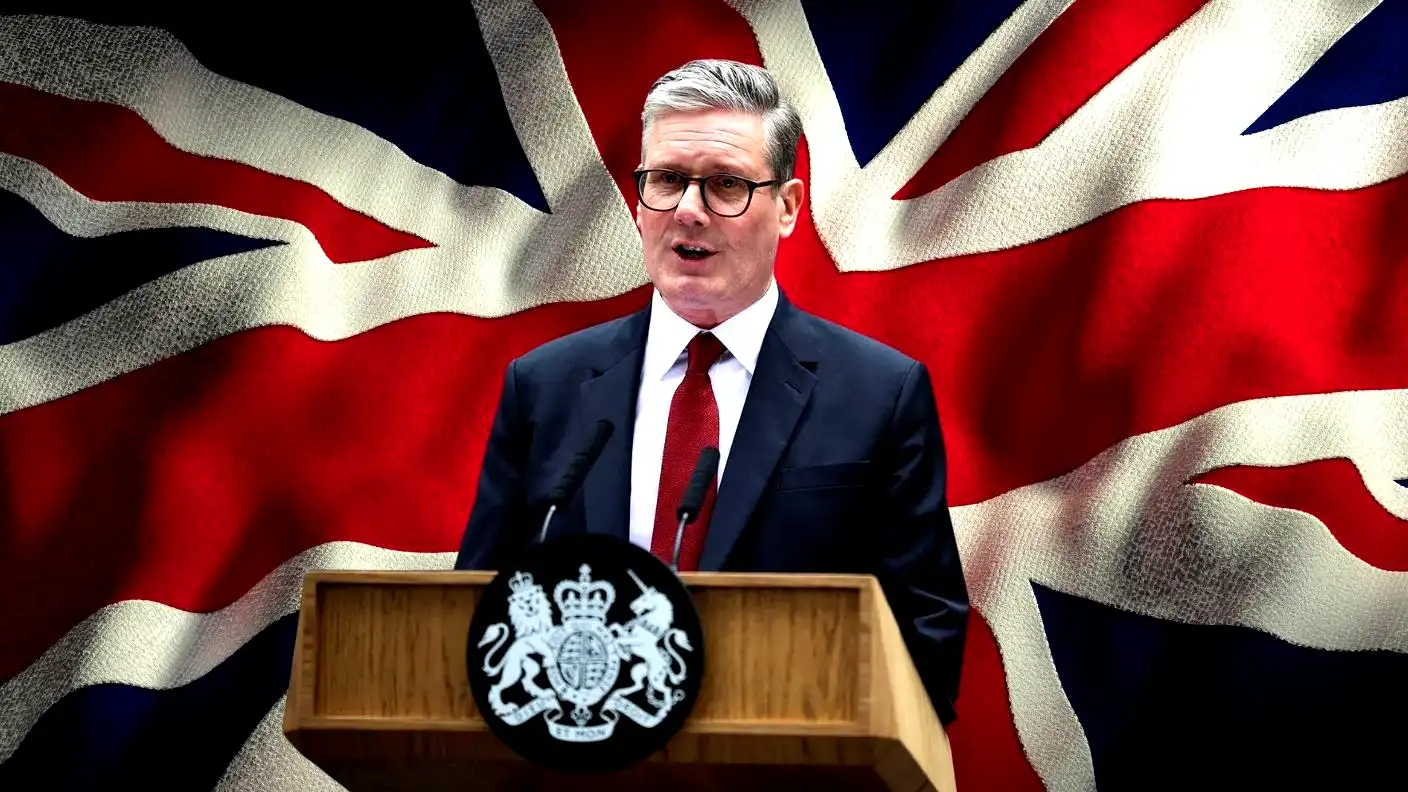
The political landscape of the United Kingdom has undergone a massive shift following a historic by-election victory in northern England. Greater Manchester Mayor Andy Burnham, affectionately known as the “King of the North,” cleared a direct path to challenge Prime Minister Keir Starmer by decisively winning a seat in the House of Commons. Burnham secured a commanding 54.8% of the vote in the working-class constituency of Makerfield, soundly defeating his closest rival from the populist Reform UK party. The scale of this landslide victory has immediately placed Starmer’s embattled premiership on notice, igniting frantic discussions within the Labour Party about how to execute a leadership transition.
The special election delivered a stunning result that defied the expectations of even the most seasoned pollsters. When the official results were announced just after 3:00 am, Burnham had captured 24,927 votes, securing a dominant majority of 9,231 over Reform UK’s Robert Kenyon, who finished second with 15,696 votes. Rebecca Shepherd, representing the new hard-right Restore Britain party, trailed far behind in third place with 3,111 votes. The high-stakes nature of the contest drew an impressive 58.75% turnout, marking the highest voter participation rate for a British by-election in seven years. This massive surge in voter engagement demonstrated that local residents recognized the national significance of their local ballot.
This dramatic return to Westminster was made possible by a highly coordinated, tactical maneuver within the governing party. Last month, sitting Labour member of parliament Josh Simons resigned his legislative seat in Makerfield, specifically creating a vacancy to allow the popular Greater Manchester mayor to stand for parliament. Under the UK’s parliamentary system, an individual must hold a seat in the House of Commons to serve as prime minister or launch a formal party leadership challenge. By taking this calculated risk, Burnham has successfully bypassed the constitutional barrier that kept him on the sidelines, transforming a local vacancy into a launchpad for a prime ministerial bid.
By winning the Makerfield seat, Burnham has immediately triggered a series of major structural changes in local governance. Under parliamentary rules, a sitting Member of Parliament is legally disqualified from holding a regional metro mayoralty. This means that Burnham must immediately relinquish his post as Mayor of Greater Manchester, a role he has held since 2017, representing over three million residents. While giving up his highly influential regional office is a significant sacrifice, Burnham’s allies argue that the move is essential to save the party and the country from a deepening crisis.
The immediate threat to Starmer’s premiership stems from his historically low popularity ratings and a deepening sense of dread within his own party. Since taking office, the Prime Minister has faced persistent criticism for failing to deliver on key economic reforms, while managing a series of damaging ministerial resignations. A major catalyst for the current rebellion occurred last month, when the anti-immigration Reform UK party decimated Labour’s historic “Red Wall” in local council elections, winning 24 of the 25 seats contested in the Wigan area surrounding Makerfield. This unprecedented wipeout convinced backbench lawmakers that Starmer’s strategy of business as usual is no longer viable.
With Burnham now seated in the House of Commons, attention is turning to the specific party rules that govern how a sitting Prime Minister can be replaced. Under current Labour Party regulations, a leadership challenge can be triggered if 20% of the party’s members of parliament sign a formal motion of no confidence or nominate a rival candidate. In a parliament where the governing party holds a significant majority, reaching this threshold requires a coordinated rebellion of dozens of backbenchers. If the rebels secure the necessary signatures, they can force an official leadership contest, putting the Prime Minister’s future directly in the hands of the wider party membership.
However, many senior party figures are desperately working to avoid a highly public and damaging leadership battle. Allies of Burnham, including prominent cabinet members, are quietly urging the Prime Minister to consider an orderly and managed transition. Under this scenario, Starmer would voluntarily agree to set a clear timetable for his departure, allowing the party to select a successor without triggering a divisive civil war. This cooperative approach would protect the government’s public image and ensure that the transition of power does not spook global financial markets, which typically react poorly to sudden economic or political instability.
If Starmer refuses to step aside voluntarily, he faces the prospect of a brutal, multi-candidate fight that he is highly unlikely to win. Public opinion polls indicate that if a leadership contest is decided by the party’s grassroots members, Burnham would secure an overwhelming victory. While Starmer has publicly vowed to fight on and defend his position, inside sources acknowledge that the sheer scale of the Makerfield result has left him with very little political leverage. If he chooses to fight and loses, the governing party risks exposing deep ideological divisions that could paralyze the legislative process for months.
Adding to the Prime Minister’s challenges is the growing pressure from influential trade union leaders who hold significant sway over party finances and policy. Following Burnham’s victory, prominent union general secretaries publicly warned that working-class voters have fallen out of love with the current government. They argued that the Makerfield win represents a glimmer of hope, but must not be interpreted as a mandate to continue Starmer’s cautious, centrist economic policies. The unions are demanding that any incoming leader prioritize public service nationalization, robust workers’ rights, and a total rejection of the failed economic models of the past.
Ultimately, the historic result in Makerfield has set the stage for one of the most consequential political transitions in modern British history. By clearing a path to Westminster for the “King of the North,” local voters have effectively handed the Labour Party the key to its own future. Whether the party replaces its leader through a coordinated backbench rebellion or an orderly, managed transition, Britain appears to be heading toward installing its seventh prime minister in just over a decade. As the 60-day window for regional peace talks in the Middle East begins to tick and domestic economic pressures persist, the governing party must act quickly to resolve its leadership crisis and secure the country’s economic sovereignty.