

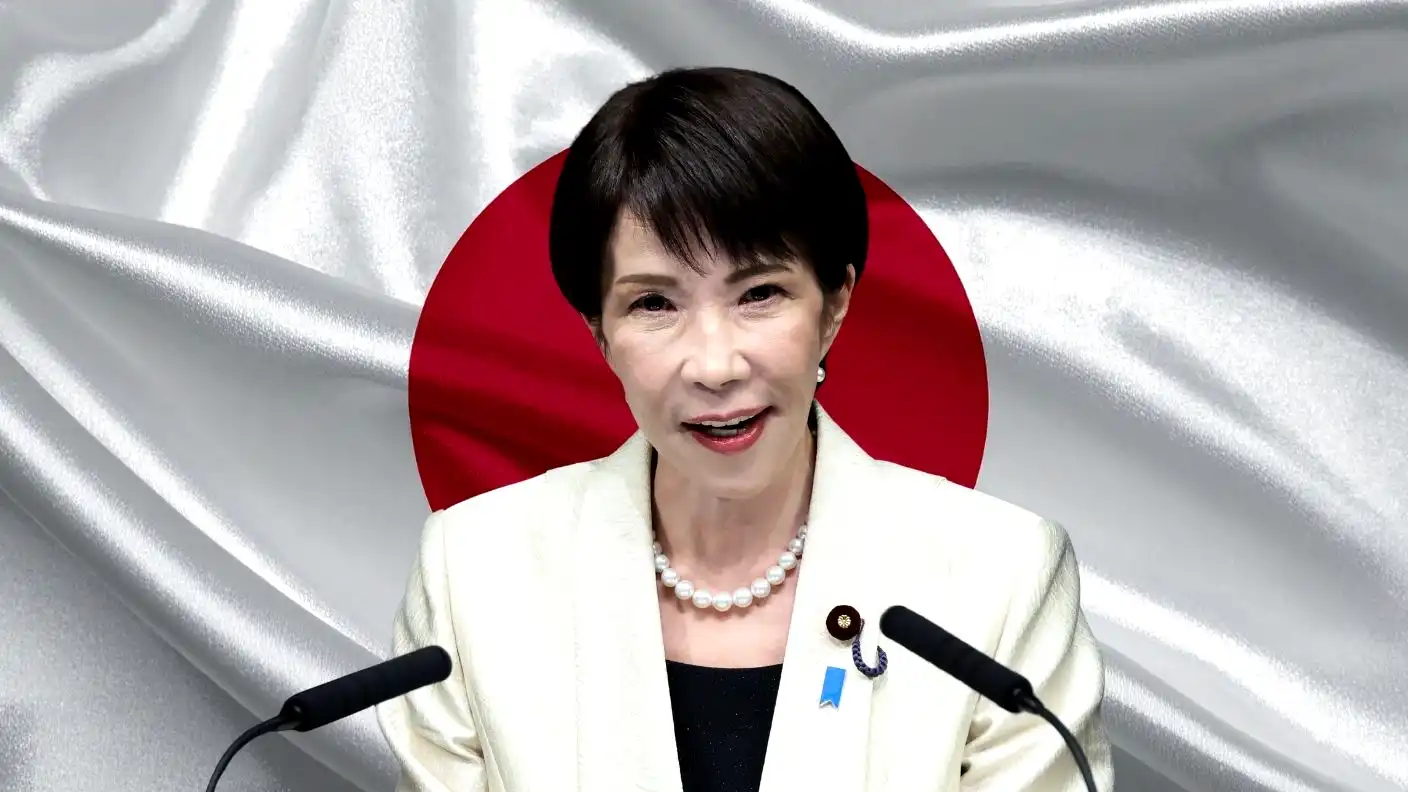
In a highly anticipated address to the Diet, the head of the Japanese government clarified the limits of her administration’s controversial economic relief policies. Speaking before the lower house Budget Committee on Monday, Prime Minister Sanae Takaichi promised that any reduction in the national consumption tax on food and beverage products will be strictly capped at two years, after which the rate will return to its original 8%. The high-stakes pledge comes as the resource-poor nation attempts to balance urgent consumer inflation relief with the massive task of protecting its sovereign fiscal health, which currently ranks as the most debt-strained among the Group of Seven wealthy economies.
The Prime Minister’s defensive remarks follow a major policy adjustment proposed last week by the ruling Liberal Democratic Party. During her successful February snap election campaign, Takaichi won a landslide victory on a bold promise to suspend the 8% sales levy entirely, cutting it to zero for two years to cushion households against rising living costs. However, technical realities on the ground have forced a compromise. Rather than a total suspension, the party’s tax policy chief proposed reducing the food consumption tax to 1% for two years starting in April 2027. This 1% plan has emerged as a practical alternative, as cash register manufacturers warned that modifying the software of existing check-out networks to process a zero percent tax would require more than a year of complex programming.
To deliver on its campaign promise of “zero” tax while keeping the 1% rate for technical feasibility, the government has proposed an innovative dual-track strategy. Under the chairperson’s draft presented to the cross-party National Council on Social Security, the state will collect the 1% tax but return the entire accrued revenue directly to the public through annual cash handouts. The proposed cash assistance program, valued at roughly 600 billion yen, which translates to $3.7 billion, will target low- and middle-income households starting in the fall of next year. By distributing these targeted payouts, the administration hopes to argue that the food tax burden has effectively been neutralized to zero without disrupting retailers’ electronic systems.
This complex fiscal maneuvering has triggered an immediate and highly vocal backlash from opposition lawmakers in the Diet. During Monday’s committee session, Ken Tanaka, a prominent representative from the opposition Democratic Party for the People, strongly questioned the Prime Minister’s long-term exit strategy. Tanaka argued that once the public gets used to a lower tax rate, restoring it to 8% after two years will be politically impossible. He warned that the electorate will view the restoration as a major, punishing tax increase, which could spark a massive public backlash and destabilize future governments. The opposition is demanding a more straightforward, permanent solution to the cost-of-living crisis.
Takaichi strongly pushed back against the opposition’s criticisms, explaining that the two-year tax cut is designed as a temporary bridge rather than a permanent structural change. She clarified that the short-term cut will shield vulnerable families from immediate price spikes while the government works to implement a highly sophisticated, permanent refundable tax credit program, which is scheduled for full implementation by fiscal 2029. The Prime Minister also emphasized that maintaining the legal authority to adjust consumption tax rates during major national emergencies, such as natural disasters or public health crises, remains a vital policy tool that her administration will not abandon.
The intense political debate in Tokyo stands against a highly precarious financial backdrop that has set off alarm bells across global bond markets. When Takaichi first announced her plan to suspend the food tax in January, the prospect of losing five trillion yen in annual government revenue immediately rattled international investors. The anxiety sent the yield on Japan’s benchmark 10-year government bonds surging to a 27-year high of 2.275% as traders priced in a worsening of the nation’s public debt, which currently exceeds 250% of its gross domestic product. While yields have stabilized slightly, the threat of a wider fiscal crisis has left central bank authorities extremely cautious about any policy that could permanently erode the national tax base.
The urgency to deliver consumer relief is driven by persistent, energy-fueled inflation that has severely squeezed household budgets. Japan, which imports over 90% of its fossil fuels, has faced a severe resource supply shock over the past several months due to the military conflict in the Middle East and subsequent blockades of the Strait of Hormuz. Although a tentative peace agreement has recently allowed crude prices to stabilize around $80 per barrel, the domestic economy is still absorbing the secondary price increases of imported raw materials. Elevated energy costs have driven up the prices of daily food products, keeping the cost-of-living crisis at the top of public concerns.
This economic strain has had a direct, negative impact on the administration’s political capital. According to the latest weekend telephone survey conducted by national polling agencies, the approval rating for Takaichi’s Cabinet slipped to 55.8%, marking the lowest point since she assumed office as Japan’s first female premier in October. The survey showed that while 43.9% of respondents support lowering the food consumption tax to 1% to secure faster relief, only 13.6% expressed confidence in the administration’s broader economic policies. With the Cabinet disapproval rate ticking up to 27.9%, the Prime Minister is under immense pressure to show she can manage the economy.
To resolve these conflicting pressures, the ruling Liberal Democratic Party plans to use the next two years to refine its long-term social welfare strategy. The National Council on Social Security is preparing to draft a comprehensive “income-based tailored benefits” system to replace the temporary tax cut by autumn 2029. This permanent program will utilize advanced tax data to precisely target cash benefits to low-income working households while excluding high-earning families, ensuring that public funds are utilized efficiently. The transition aims to restore the stable 8% food tax rate to fund rising social welfare costs for Japan’s rapidly aging population, while protecting the most vulnerable citizens.
Ultimately, Sanae Takaichi’s firm pledge to limit the food consumption tax cut to two years represents a delicate, high-stakes compromise. By choosing to transition the tax rate to 1% in April 2027 and returning it to 8% in 2029, the Prime Minister is attempting to honor her election promises without permanently damaging the country’s fragile public finances. While the technical embarrassment of uncooperative cash registers and the warnings from international financial institutions have forced her to alter her original plans, her flexible approach has successfully kept the policy on track. Whether this temporary relief can successfully bridge the gap to a permanent tax credit system without triggering a massive public backlash remains a critical question that will decide her political future.