

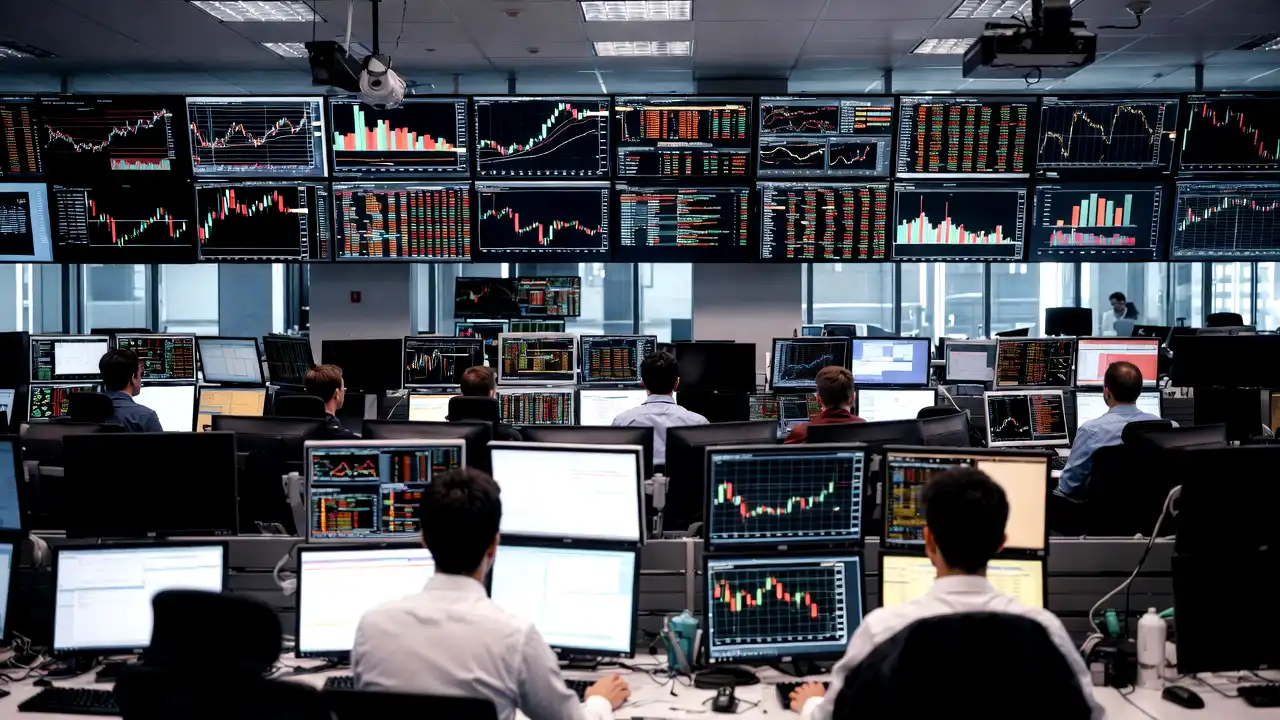
Asian stock markets held strong on Monday morning. Investors mostly ignored rising oil prices and a messy war in the Middle East. Instead, stock buyers focused on huge gains from computer chip makers and an upcoming meeting between the United States and China. This optimistic mood helped regional markets survive a very turbulent weekend.
Chinese state media confirmed a major diplomatic event. United States President Donald Trump will travel to Beijing to meet Chinese President Xi Jinping. The summit runs from May 13 to May 15. This trip marks the first time a United States leader has visited the Chinese capital in nearly 10 years. Investors love the idea of the two superpowers talking face-to-face.
Experts expect the two leaders to discuss trade tariffs, the island of Taiwan, and the ongoing war in the Middle East. They also plan to extend a trade truce they originally signed in October 2025. This positive diplomatic news helped the Shanghai Shenzhen CSI 300 index rise 1.2%. The Shanghai Composite also gained 0.7%. However, Hong Kong investors felt slightly less confident, pushing the Hang Seng index down 0.4%.
China also released fresh economic numbers on Monday. Consumer prices rose more than economists expected in April. Furthermore, producer prices jumped to a near 4-year high. Expensive oil imports, caused directly by the Middle East conflict, drove these rising costs across the Chinese manufacturing sector.
South Korea delivered the best market performance in the entire region. The KOSPI index surged nearly 5%, hitting a brand new record high. Computer chip makers led this massive financial rally, catching the same tailwind that boosted technology companies in the United States last week.
Individual South Korean tech giants saw incredible growth. SK Hynix saw its stock surge nearly 12% in a single day. Samsung Electronics also enjoyed a fantastic trading session, climbing nearly 6%. Both companies hit record highs on Monday. The booming artificial intelligence industry created a severe global shortage of memory chips. Because chips remain scarce, Samsung and SK Hynix raised their prices and secured massive profits this year.
In the United States, S&P 500 futures fell 0.1% during early Asian trading hours. This slight drop comes after Wall Street hit record highs last Friday. American investors are now awaiting crucial consumer price data scheduled for release on Tuesday morning. This inflation report will tell them exactly how much everyday goods cost.
The war in the Middle East continues to shake global energy markets. Over the weekend, President Trump formally rejected a 14-point peace proposal from Iran. Military forces exchanged heavy fire in the Strait of Hormuz again. This fresh violence immediately sent global oil prices shooting higher on Monday morning, threatening economies that rely on cheap fuel.
Other Asian markets struggled to find any positive momentum. In Japan, the Nikkei 225 index fell 0.4%. A massive 9% drop in Nintendo stock dragged the entire index down. The famous video game company shared a disappointing earnings report and lowered its future profit goals. The Japanese TOPIX index stayed completely flat for the day.
Down in Australia, the ASX 200 dropped 0.7%. The medical company CSL unexpectedly slashed its annual profit targets, spooking Australian investors and pulling the market lower. Meanwhile, the Straits Times index in Singapore rose slightly before the closing bell.
The rising cost of oil hurt Indian markets the hardest. Futures for the Nifty 50 index slid 1% during morning trades. Prime Minister Narendra Modi warned his citizens about the severe economic fallout coming from the Middle East conflict. Since India buys large amounts of foreign oil and gas, expensive fuel quickly hurts the Indian economy.















