
The biggest sporting event on the planet is about to begin, but massive geopolitical and financial disputes are already embedding themselves into the tournament’s build-up. This Thursday, June 11, 2026, the expanded FIFA World Cup will kick off amid intense controversy. For the first time in history, three nations—the United States, Canada, and Mexico—will jointly host a massive field of 48 teams playing 104 matches across 16 host cities. While FIFA bosses continue to promote this edition as the most inclusive tournament ever, fans and officials are expressing deep anger over soaring ticket prices, strict travel bans, and aggressive immigration policies.
The on-field drama will officially begin at Mexico City’s iconic Estadio Azteca this Thursday at 3:00 PM local time, when co-hosts Mexico take on South Africa. This opening match will launch a sprawling six-week spectacle that culminates in the final match on July 19, 2026, at the 82,500-seat MetLife Stadium in New Jersey. FIFA President Gianni Infantino has bullishly hyped the tournament as “the greatest show that the planet has ever seen.” However, his breezy optimism has run into hurricane-force headwinds of skepticism from fans who feel priced out and shut out by host-nation policies.
The skyrocketing cost of tickets has triggered a furious global backlash, leaving ordinary football supporters deeply disillusioned. Many fans are choosing to skip the tournament entirely, arguing that organizers have turned the World Cup into an exclusive event for the ultra-wealthy. In cities like Atlanta and San Francisco, local families report that attending a single, low-stakes group match with a spouse and two children would cost upwards of $2,000. This high financial barrier alienates the traditional working-class fanbase, making them feel that the beautiful game has abandoned its roots.
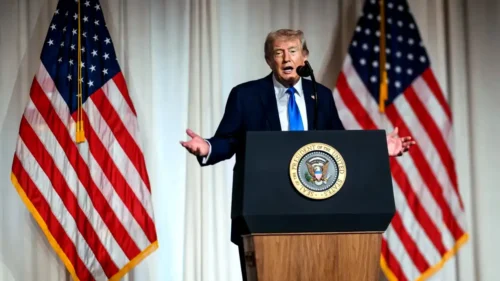
Even more damaging than the ticket prices are the strict immigration guidelines implemented by the second administration of U.S. President Donald Trump. Last year, Washington issued sweeping travel proclamations restricting or banning entry for citizens of up to 39 countries. This hard-line policy directly impacts fans and players from four qualified World Cup nations: Iran, Haiti, Senegal, and Côte d’Ivoire (Ivory Coast). As a result, thousands of passionate supporters from these nations cannot travel to the United States, which is hosting three-quarters of all the matches.
The strict U.S. border policies have severely disrupted the preparation of several participating teams, most notably the Iranian national squad. While U.S. authorities eventually granted visas to Iran’s players and head coach, they denied entry to over 13 key support staff, technical personnel, and football federation executives. This selective visa approval forced the Iranian team to relocate its pre-tournament training base from Arizona to Tijuana, Mexico. The squad must now train in Mexico and cross the U.S. border on a highly restrictive, single-day basis just to play their scheduled group matches.
The geopolitical friction extends beyond team logistics to direct administrative interference. The U.S. government completely removed the ticket quota allocated to Iranian fans, preventing their federation from distributing tickets through its official system. At the same time, the administration has created widespread confusion by rapidly shifting its immigration rules. For instance, Washington waited until only weeks before the kickoff to waive a mandatory $15,000 visa bond that it had previously placed on fans from five African nations.
Even official match officials and players are facing aggressive security checks and denials of entry at American airports. Somali referee Omar Abdulkadir Artan, whom FIFA selected to officiate matches, was denied entry at Miami airport despite holding a valid visa and a diplomatic passport. Meanwhile, U.S. customs agents detained Iraqi striker Aymen Hussein at Chicago O’Hare International Airport, holding him for seven hours of intense questioning and phone inspections. While Hussein eventually gained entry, authorities barred other members of Iraq’s travel group, including the team photographer.
Despite the off-pitch turbulence, tourism experts estimate that the tournament will still generate over $5 billion in direct economic impact for the host cities. This massive influx of tourists will represent an increase of nearly 1.5% in regional hospitality and hospitality-related revenues over the next six weeks. However, this economic boom will come at a high moral cost for the sport’s global governing body. While FIFA’s official mantra claims that “football unites the world,” the 2026 tournament starts with glaring proof of geopolitical exclusion.
The combination of strict visa policies, airport detentions, and astronomical ticket prices has created a selective tournament, open to some but firmly off-limits to others. For many international supporters, the dream of witnessing their national team play on the world’s grandest stage has died before the opening whistle. Until host governments and sporting organizations can align security measures with the inclusive spirit of global sport, the World Cup will remain a deeply divided spectacle, leaving the global community to wonder whether the beautiful game has lost its soul.