
A sharp and fatal escalation of the ongoing conflict in Eastern Europe has shattered the peace of a national holiday, illustrating how the boundaries of the war are rapidly expanding. During a period of intense cross-border hostility, the international boundary separating Russia and Ukraine has turned into a highly contested combat zone, where civilian populations on both sides are carrying the physical cost of a grinding war of attrition.
In a major mid-June escalation, a series of Ukrainian artillery and drone strikes targeted communities and infrastructure points inside Russia’s western border region of Bryansk. The cross-border shelling killed two civilians and injured ten others, causing widespread panic in local settlements. Almost simultaneously, Ukraine launched one of its largest overnight drone raids of the war, targeting critical petrochemical facilities and massive oil refineries deep inside the Russian heartland.
In response, Russia launched its own wave of retail-targeted drone barrages, striking vital railway terminals and electrical substations across northern and southern Ukraine. The mutual strikes, occurring on the eve of Russia Day, show that both militaries are committed to a strategy of industrial- and logistics-focused infrastructure warfare, pushing the conflict far beyond the physical front lines of the Donbas.
The Bryansk Border Attack: Tragedy in Suzemka and Starodub
The fatal border attacks inside Russia highlight the growing vulnerability of communities situated close to the international boundary, which are facing a steady rise in cross-border artillery fire.
The Shelling of Suzemka and the Loss of a Conservationist
According to Telegram statements released by Acting Regional Governor Yegor Kovalchuk, Ukrainian forces launched a heavy artillery strike against the settlement of Suzemka, located close to the international border in the Bryansk region. The heavy shelling killed two civilians and injured another two.
Among those killed was Alexander Nikitenkov, the prominent director of the Bryansk Biosphere Reserve, known locally as “Bryansky Les.” The death of a well-known environmental conservationist in a border village has brought the human cost of the war into sharp focus for residents. Kovalchuk expressed deep condolences to the families and promised that regional authorities would provide immediate financial compensation and administrative support to those affected by the tragedy.
The Starodub Petrol Station Attacks and Injured Youth
While Suzemka faced direct artillery fire, other parts of the Bryansk region were targeted by separate, long-range strikes. Approximately 110 kilometers away from the border, Ukrainian drones and artillery targeted a cluster of petrol stations in the town of Starodub.
The targeted strikes on these energy retail hubs wounded seven civilian workers and customers, causing significant fuel fires that required several hours to contain.
Furthermore, a separate drone attack in a nearby settlement injured a five-year-old boy.
In total, the border-area attacks on Thursday evening left two dead and ten injured. This demonstrates that Ukraine is actively seeking to disrupt regional fuel supplies and logistics hubs that support Russian military movements close to the border.
Russia Day Under Siege: The Massive Overnight Drone Raid
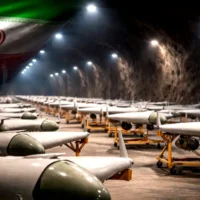
As Russia prepared to celebrate its national holiday on June 12, Ukrainian forces launched a massive, coordinated wave of drone attacks targeting major petrochemical plants, rubber factories, and massive oil refineries located hundreds of miles inside Russian territory.
Targeting the Industrial Giants of Tatarstan
A primary focus of the Ukrainian drone raid was the industrial Trans-Kama region in the Republic of Tatarstan, located approximately 800 kilometers east of Moscow. A Reuters dispatch highlighted that Ukraine is actively expanding its mid-range strike campaign against Russian logistics and energy infrastructure to restrict output.
During the overnight raid, Ukrainian drones targeted the massive TANECO oil refinery in Nizhnekamsk, owned by the Russian oil giant Tatneft.
TANECO is one of the largest and most modern refineries in Russia, possessing an annual design capacity of over 16 million tons of crude oil.
Ukrainian monitoring groups reported that drones also struck the nearby TAIF-NK refinery, triggering significant fires at both facilities.
Furthermore, a drone struck the Nizhnekamskneftekhim plant, Russia’s largest producer of synthetic rubber and plastics.
During the chaos, a drone also struck a multi-story residential building in the city, injuring four civilians.
Nizhnekamsk Mayor Radmir Belyaev announced that, due to the persistent drone threat, the city had canceled all planned public events and outdoor celebrations scheduled for Russia Day.
Tatarstan Head Rustam Minnikhanov confirmed that drones had reached the Trans-Kama region, stating that the targeted enterprises were working quickly to address the physical consequences of the strikes.
The Samara Petrochemical Strikes
At the same time, another wave of Ukrainian drones struck the Tolyattikauchuk plant in Togliatti, on the Volga River in the Samara region, roughly 500 miles southeast of Moscow.
The Tolyattikauchuk plant is a highly strategic facility that specializes in the production of synthetic rubbers and specialized monomers.
These chemical components are essential for the manufacturing of solid rocket fuel used in Russia’s tactical and ballistic missiles.
Ukrainian military sources confirmed that the drones successfully struck the target, igniting a large fire on the plant’s grounds.
The attack forced regional authorities to implement a temporary “Carpet” regime, closing the local airspace at all altitudes to prevent commercial flights from entering the danger zone.
Samara Governor Vyacheslav Fedorishchev reported that emergency services responded quickly to contain the blaze and that no employees were injured in the strike.
Russia’s Massive Air Defense Interception
The Russian Ministry of Defense acknowledged the scale of the overnight drone raid, describing it as one of the most widespread attacks on Russian territory since the start of the conflict.
Intercepting Two Hundred Thirty-One Drones
According to official statements from the Russian Defense Ministry, air defense systems and electronic warfare units intercepted and destroyed 231 Ukrainian drones.
The ministry reported that its forces shot down the drones over 15 different Russian regions, including:
- Central and Volga Regions: Samara, Tatarstan, Moscow, Voronezh, Kaluga, Lipetsk, and Ulyanovsk.
- Border Regions: Bryansk, Belgorod, Kursk, and Rostov.
- Western and Southern Areas: Astrakhan, Saratov, Smolensk, Tula, and the occupied Crimea.
Moscow Mayor Sergey Sobyanin reported on Telegram that air defense systems destroyed seven drones that were flying directly toward the capital, with emergency services working at the crash sites to secure the debris.
While the defense ministry claimed that the vast majority of the drones were neutralized, the successful strikes on key petrochemical and rubber plants illustrate that Ukraine’s low-cost drone fleet can still bypass dense air defenses to hit highly protected strategic targets.
Russian Retaliation: The Destruction of Ukraine’s Railway Infrastructure
While Ukraine targeted Russia’s industrial heartland, Russian forces launched their own wave of drone and missile strikes against critical transportation and logistics hubs inside Ukraine.
The Tragic Strike on Sumy’s Railways
In Ukraine’s northern Sumy region, which borders the Russian Federation, Russian drones launched targeted attacks against railway stations, electrical signaling posts, and power substations.
The head of Ukrainian Railways reported that the strikes caused significant damage to the region’s transport network, disrupting train schedules and halting freight movements.
The attack carried a tragic human toll. A 44-year-old female railway station operator died on her way to a shelter during the drone barrage, and a 33-year-old female station attendant sustained serious injuries.
In response to the strikes, Ukrainian railway workers scrambled to implement emergency repair plans to restore power and get the trains running, proving that Russia is actively targeting the logistical lines that carry both military equipment and civilian goods across the country.
The Barrages on Mykolaiv and Zaporizhia
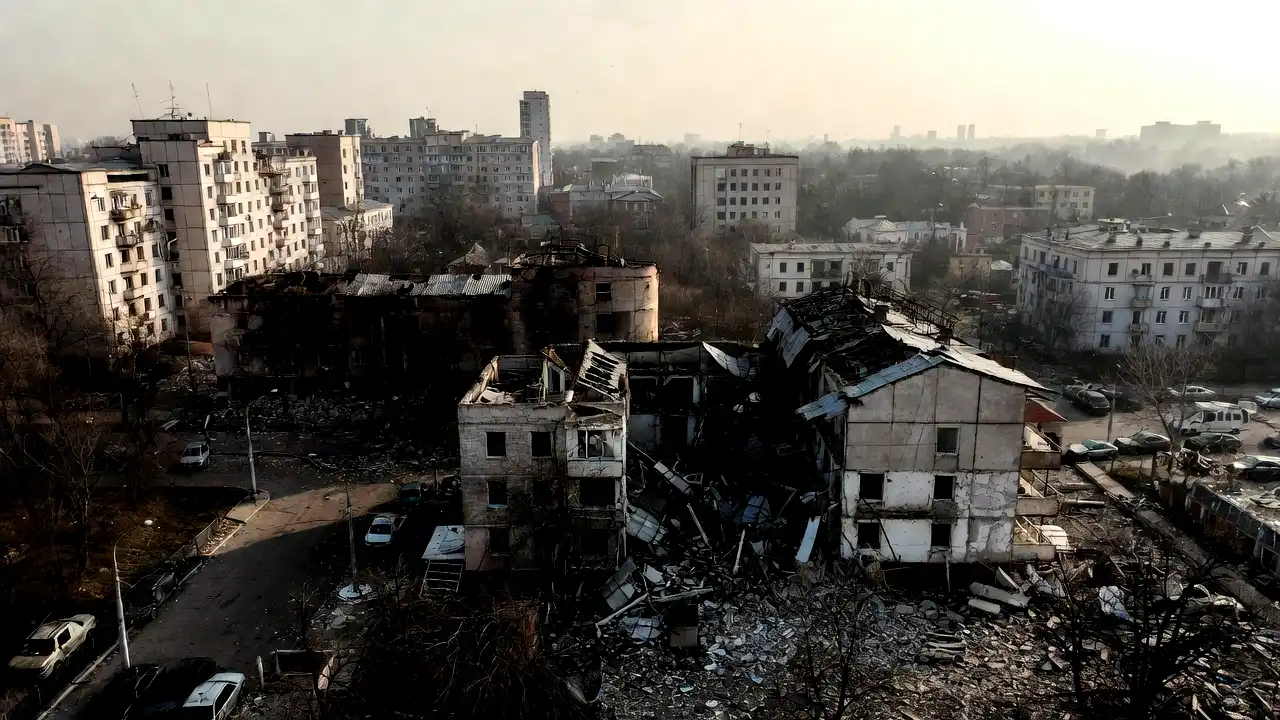
Other parts of Ukraine also faced heavy overnight bombardments. In the southern city of Mykolaiv, a Russian drone strike heavily damaged a residential building, injuring three civilians.
At the same time, a Russian attack damaged a Nova Poshta logistics and distribution hub in the city of Zaporizhia.
Firefighters had to battle a massive blaze that covered approximately 2,000 square meters of the facility, sending thick, toxic smoke rising over the city.
The systematic targeting of civilian distribution hubs and transport infrastructure shows that Moscow is determined to increase the economic and logistical pressure on Ukraine, matching Kyiv’s own long-range strike campaign.
Views: The Strategic Shift to Attritional Infrastructure Warfare
The escalating cross-border strikes have sparked an intense debate among military strategists, international relations specialists, and regional political advisors over the war’s future direction.
The Case for Targeting Russia’s Industrial Core
Proponents of Ukraine’s aggressive drone campaign argue that targeting Russia’s industrial and energy core is a highly effective, necessary asymmetric strategy.
They point out that Ukraine cannot hope to match Russia’s raw manpower on the battlefield.
Therefore, Kyiv must use its low-cost, long-range drone fleet to target the economic and industrial assets that sustain Russia’s war machine.
By striking oil refineries such as TANECO and synthetic rubber producers such as Tolyattikauchuk, Ukraine is directly restricting Russia’s ability to generate export revenues and manufacture solid rocket fuel.
Military analysts believe that these targeted strikes are placing a massive strain on the Russian economy, forcing Moscow to divert air defenses from the front lines to protect domestic factories, and gradually reducing Russia’s long-term capability to wage a high-intensity war.
The Humanitarian Dilemma and Retaliatory Cycles
Conversely, some humanitarian organizations and political moderates warn that the escalating cross-border campaigns are creating a highly dangerous cycle of retaliatory violence that disproportionately harms civilian populations.
They point out that despite claims from both sides that they do not deliberately target civilians, artillery shelling in Bryansk and drone strikes in Sumy and Mykolaiv continue to kill and injure ordinary people.
Critics of the current strategy warn that these high-casualty cross-border attacks serve to harden political positions on both sides, reducing the prospects for any negotiated ceasefire.
They argue that as long as both capitals believe they can achieve a strategic advantage by destroying each other’s industrial and transport infrastructure, the war will continue to escalate, dragging both societies into a permanent high-risk conflict that threatens the broader stability of the entire European continent.
Conclusion: The Unraveling of the Borderlands
The fatal border attacks in Bryansk and the massive overnight drone raids on Russia Day serve as a sober reminder of how deeply the war has unraveled the stability of the region.
The conflict is no longer confined to isolated battlefields in the east; it has evolved into a complex, multi-front war of infrastructure attrition that directly affects the daily lives of citizens in both Russia and Ukraine.
As both militaries deploy advanced drones, long-range artillery, and electronic warfare units to target each other’s economic lifelines, the physical boundaries of the war are dissolving.
The success of these strikes will be judged not by the capture of small border villages, but by the long-term resilience of each nation’s industrial and logistical networks.
In a conflict defined by deep-seated political rivalry, the ability to protect critical factories and transport routes has become the ultimate determinant of survival, ensuring that the struggle for economic and military endurance will continue to dominate the landscape for the foreseeable future.