

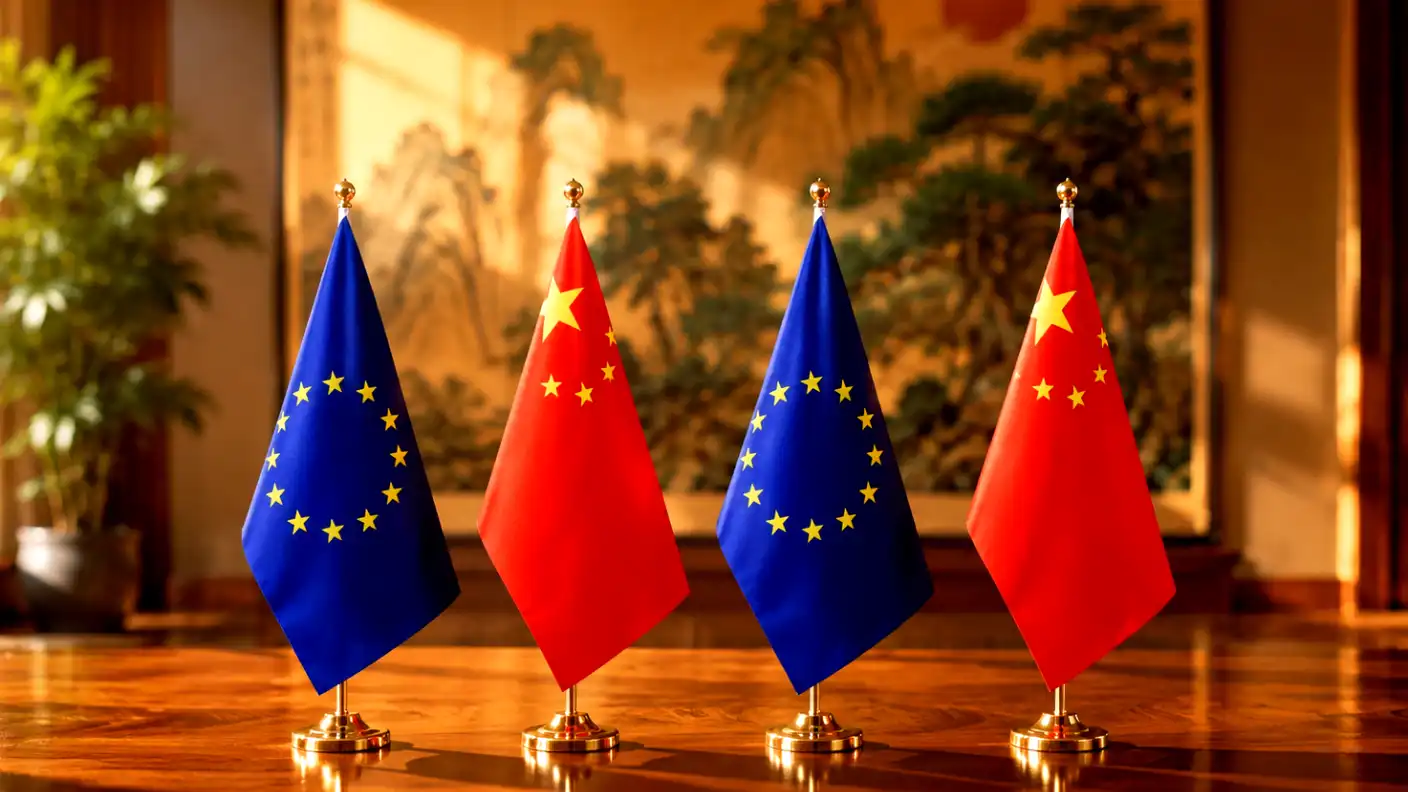
A major diplomatic rift has opened between Beijing and Brussels, signaling a significant deterioration in relations between two of the world’s largest trading powers. International diplomatic briefs revealed that China has abruptly canceled two highly anticipated high-level diplomatic meetings with the European Union. The Chinese side suddenly canceled these crucial dialogues, which negotiators had scheduled to take place in Beijing later this month, at very short notice. The unexpected move represents a classic diplomatic signal of deep dissatisfaction, coming at a time of escalating tensions over surging Chinese exports and proposed European trade barriers.
The sudden cancellations struck at the very core of bilateral cooperation on technological and diplomatic policy. The first canceled meeting was a ministerial-level dialogue focused entirely on digital issues and telecommunications standards, an area where the two regions are increasingly at odds. The second canceled engagement was a high-stakes bilateral meeting with Olof Skoog, the Deputy Secretary-General of the European External Action Service, a key leader in the EU’s diplomatic corps. While the Chinese government did not provide any official reason for the abrupt cancellations, observers immediately linked the decision to a series of aggressive trade-defense policies emerging from Brussels.
The diplomatic dispute directly reflects a massive and growing trade imbalance between the two economic giants. According to the latest customs data, Chinese exports to the European Union surged by an impressive 16.4% between January and May of this year compared to the same period last year. This rapid influx of cheap Chinese goods, particularly in high-tech and green energy sectors, has flooded European markets, triggering intense alarm among local manufacturers. The resulting commercial imbalance now accounts for a massive deficit, which European policymakers have repeatedly warned has become completely unsustainable for the long-term health of their domestic economies.
In response to this massive export surge, the European Commission is actively preparing a series of aggressive, protective trade measures that have infuriated Beijing. Chief among these policies is the proposed Industrial Accelerator Act, a comprehensive legislative package designed to protect local industries. If passed, the act would effectively bar certain Chinese companies and products from competing for lucrative European public procurement contracts, while also placing strict limits on foreign takeovers of European firms. Beijing has launched an intense lobbying campaign to kill the bill, warning that restricting market access in this manner will carry severe economic consequences.
Proposed updates to the European Union’s Cybersecurity Act also widened the technological divide. European policymakers recently outlined plans to implement strict new security guidelines that would systematically exclude Chinese technology giants, such as Huawei, from the continent’s telecommunications networks and solar energy grids. Furthermore, Brussels has already blocked public funding for imported Chinese inverters, which control solar panel installations and form a critical component of the green energy transition. Since Chinese firms currently dominate more than 80% of the global solar inverter market, these targeted restrictions threaten to slice billions of dollars from their international earnings, representing a potential loss of nearly 1.5% of China’s total digital and green technology export portfolio.
Using the sudden postponement or cancellation of high-level meetings to send political warnings is a well-established tactic in international relations. Last year, the European Union used a similar strategy, refusing to hold a flagship economic summit with Beijing due to a complete lack of progress on multiple long-standing trade and market-access disputes. By reversing the tactic and canceling the June digital dialogues, Beijing is signaling that it will no longer tolerate unilateral European trade restrictions without immediate, corresponding diplomatic consequences, effectively challenging Brussels’ regulatory assertiveness.
The abrupt diplomatic freeze has raised serious fears of a full-scale trade war that could severely damage the global economy. Chinese state-run media agencies have adopted an increasingly nationalist and aggressive tone in recent days, warning that while Beijing does not desire a trade war, it will take resolute countermeasures if Europe continues to target its products. Nationalist mouthpieces have openly declared that the European Union cannot afford to fight an economic war with China. Analysts warn that these escalating disputes affect over $1 billion in daily bilateral commercial flows, and a full-scale trade war would heavily disrupt global supply chains.
During a regular press conference in Beijing on Thursday, Chinese Foreign Ministry spokesperson Lin Jian adopted a highly guarded stance when asked about the canceled meetings. Lin did not deny that the dialogues had been canceled, but sought to downplay the diplomatic rift by stating that China and the European Union are maintaining active communication on the relevant dialogues. However, diplomatic sources in Brussels confirmed that the sudden cancellations have left European officials deeply frustrated, raising serious doubts about whether the EU Commerce Commissioner will proceed with his scheduled visit to China later this month.
As both trading giants dig in their heels, the future of the China-EU commercial relationship remains highly volatile. The cancellation of the high-level meetings proves that the era of separating economic disputes from diplomatic relations has officially ended. With the European Union under immense pressure to protect its local manufacturing base and China determined to defend its massive export engine, the space for diplomatic compromise is rapidly shrinking. Until both sides can establish genuine trust and negotiate a balanced trade framework, these commercial disputes will likely continue to spill over into the diplomatic arena, keeping the global economy on the knife-edge of uncertainty.















