
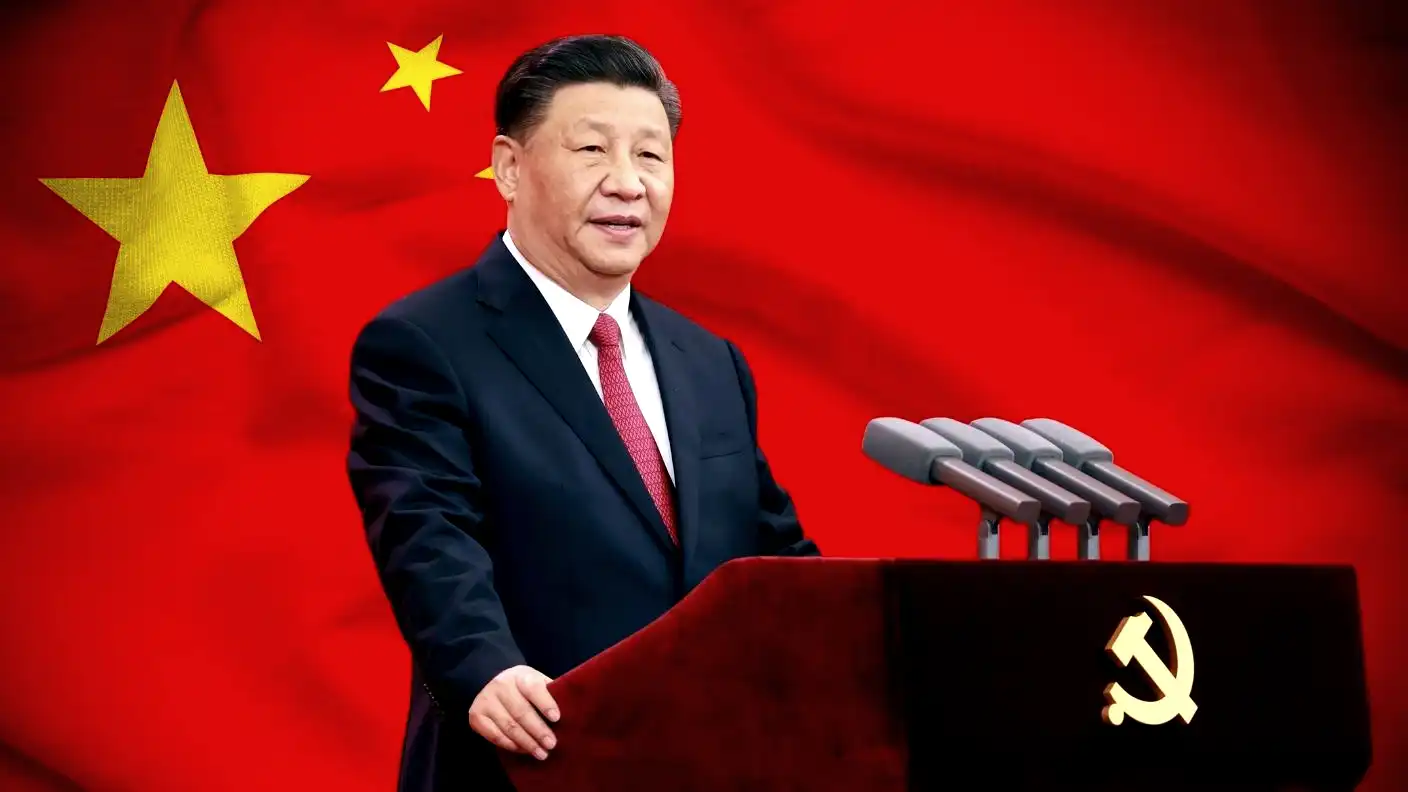
A major diplomatic shift took place in East Asia as Chinese President Xi Jinping arrived in Pyongyang for a highly anticipated state visit, marking his first trip to North Korea in nearly seven years. Ahead of his arrival on Monday, June 8, 2026, North Korea’s state newspaper, Rodong Sinmun, published a front-page commentary by Xi, in which he declared that relations between the two neighbors have reached a new historical starting point. In the written piece, Xi explicitly pledged that Beijing and Pyongyang will work closely together to fight hegemony, resist unilateralism, and protect their shared interests against foreign pressure.
The timing of the visit carries massive geopolitical weight, serving as a direct warning to the United States and its regional allies, Japan and South Korea. In his editorial, Xi emphasized that both nations must firmly oppose hegemony, authoritarianism, and all attempts and conspiracies to revive militarism, which endanger regional security and stability. This direct and aggressive language reflects Beijing’s ongoing effort to draw Pyongyang closer into its strategic orbit as strategic competition with Washington intensifies. Xi also called for a joint push to promote a fair and orderly multipolar world and inclusive economic globalization.
The North Korean government organized a pomp-filled, red-carpet welcome to receive the Chinese leader. North Korean leader Kim Jong Un and first lady Ri Sol Ju greeted Xi and his wife, Peng Liyuan, at the airport in Pyongyang, with state television showing the two leaders warmly clapping and shaking hands. The welcome ceremony continued at the capital’s Kim Il Sung Square, where a massive mounted cavalry escort lined up to receive the honored guests. Spectators waved flags of both nations beneath giant portraits of Xi and Kim, while a military band played both national anthems and a ceremonial guard fired a traditional 21-gun salute.
The rare state visit also marks the 65th anniversary of the Treaty on Friendship, Cooperation and Mutual Assistance, which underpins the military and security alliance between China and North Korea. This landmark 1961 agreement continues to bind the two nations, requiring them to assist each other in the event of an external attack. Beyond the symbolic milestone, the two leaders plan to hold extensive talks on expanding bilateral trade, resolving regional security disputes, and coordinating their foreign policy positions amid heavy Western sanctions.
Diplomatic analysts have pointed out a stark and revealing shift in the language of Xi’s latest commentary compared to his previous visit in June 2019. In his 2019 editorial, Xi focused heavily on denuclearization, promoting dialogue on the Korean Peninsula, and supporting negotiations between North Korea and the United States. By contrast, his 2026 article contains absolutely no references to denuclearization, peace talks, or relations with Washington. Instead, the Chinese leader focused entirely on strategic coordination and resisting hegemony. This glaring omission signals a fundamental shift in China’s policy, moving from a mediator of denuclearization to a committed strategic partner managing a long-term rivalry with the West.
This policy shift aligns perfectly with Pyongyang’s own hardening stance on its controversial weapons programs. Just one day before Xi’s arrival, on Sunday, June 7, 2026, Kim Yo Jong, the powerful sister of the North Korean leader, issued a fierce public statement to dismiss Western diplomatic readouts. She declared that North Korea’s status as a nuclear weapons state represents a line of no retreat and remains a stark, unchangeable reality regardless of what external powers want. This firm rejection of denuclearization proves that Pyongyang expects Beijing to accept its nuclear status as a prerequisite for any upgraded partnership.
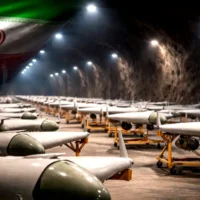
Kim Jong Un’s emboldened posture also stems from his rapidly growing trade and military partnership with Russia. Over the past three years, North Korea has supplied massive shipments of conventional weapons and troops to Moscow to support the war in Ukraine. In return, Russia has provided advanced space and missile technologies, enabling a massive leap in North Korea’s offensive capabilities. This lucrative alliance has injected billions of dollars into North Korea’s economy, boosting Kim’s confidence and reducing his dependence on Chinese aid. For Beijing, reasserting its unique influence over Pyongyang has become an urgent priority before Russia fully replaces China as the North’s primary patron.
The deepened cooperation between China, North Korea, and Russia has sparked intense concern in Tokyo and Seoul, fueling a dangerous regional arms race. Alarmed by the North Korean nuclear threat, Japan recently completed a historic defense budget expansion to acquire long-range counterstrike capabilities. At the same time, South Korea continues to deepen its nuclear deterrence planning with the United States. To counter this trilateral security cooperation, Beijing and Pyongyang are doubling down on their socialist solidarity, warning that they will collectively resist any attempts by the U.S. and its allies to strengthen their military footprint in East Asia.
As the two-day summit gets underway in Pyongyang, global observers are closely monitoring the outcomes of the talks. The meeting demonstrates that the strategic landscape in Northeast Asia has fundamentally changed, leaving traditional diplomacy paralyzed. By explicitly joining forces to oppose hegemony, China and North Korea are preparing for a long-term geopolitical struggle against the Western-led international order. Until Washington and its allies find a way to address this coordinated alliance, regional stability will remain under constant threat, keeping the entire Asia-Pacific region on a knife-edge of military tension.