

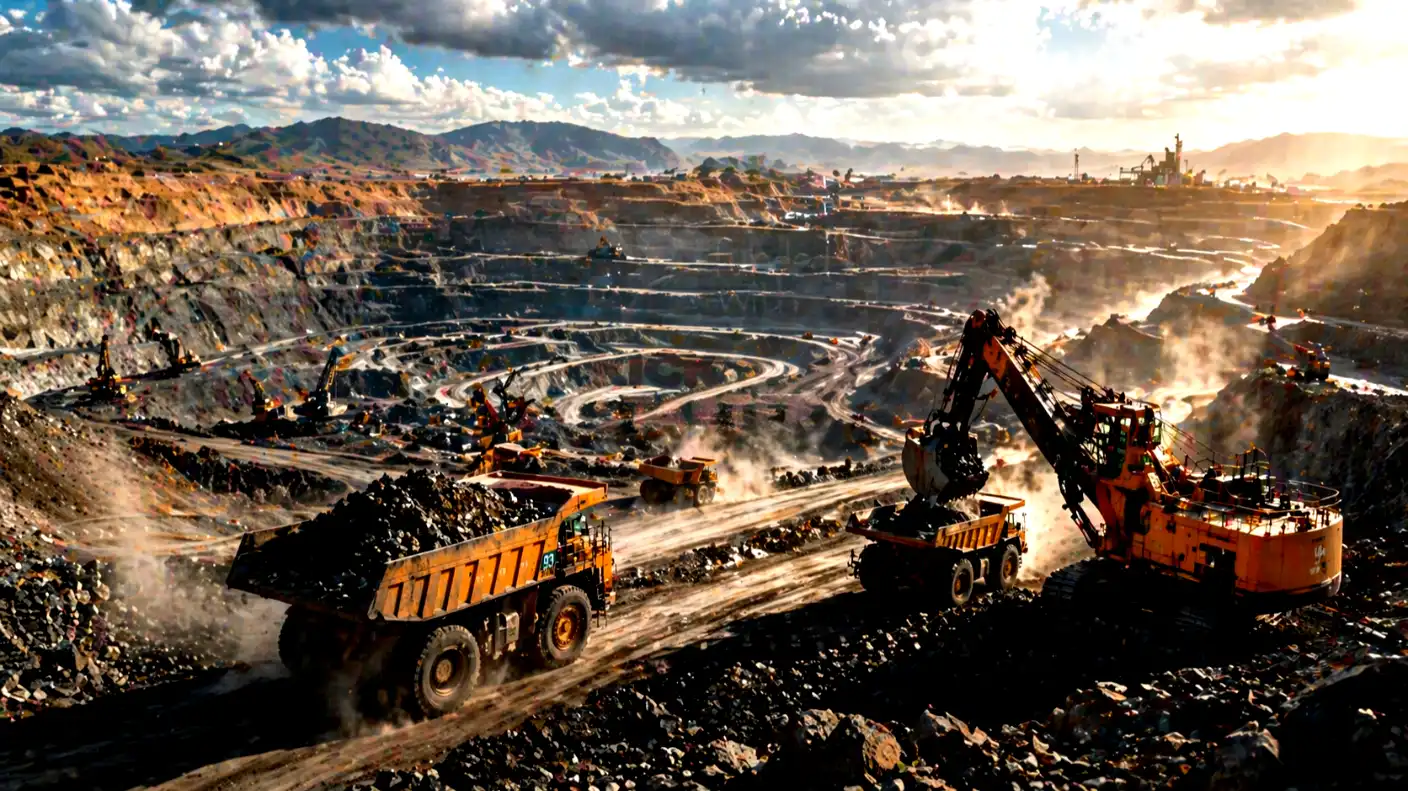
China has identified 200 medium- and large-sized mineral deposits within its borders in 2025. The Ministry of Natural Resources released these exact numbers recently. They show a massive nationwide effort to dig up raw materials. Finding this many sites in just 12 months proves the country has improved its surveying skills. These discoveries give local supply chains a huge advantage. Natural resource independence matters a lot in today’s economy. The ministry plans to keep up this fast pace of discovery to feed domestic factories.
The money paying for these projects reached new heights last year. Companies and state agencies spent exactly 25.25 billion yuan on non-oil and gas geological exploration in 2025. When you convert that money, it equals roughly $3.7 billion. This cash represents a straight 10% increase from the previous year. It also marks the fifth straight year that exploration funding went up. You rarely see this kind of steady cash flow in the mining sector. Both public and private accounts keep pouring money into the dirt because the returns look incredibly promising.
Geologists spent most of their time looking for high-value resources. The newly mapped locations hold massive amounts of gold, iron, coal, and lithium. Iron and coal form the base of heavy industry and steel production. Adding fresh gold reserves helps secure the national economy and protects the local currency. Every single new site adds tons of useful materials to the national stockpile. The coal finds alone will help power cities during the cold winter months. Meanwhile, the iron will feed giant furnaces that make steel for new skyscrapers and bridges.
Lithium is easily the best find among all recent discoveries. Car makers globally use about 1.5 million tons of lithium to build electric vehicle batteries. Discovering these domestic deposits means Chinese battery plants do not have to buy overpriced materials from other countries. Having local lithium keeps electric cars cheap and keeps the factory lines moving fast. When companies save $5 per pound of lithium shipped, those savings add up quickly. They can lower the sticker price on new cars and easily beat their competitors.
Mining teams also chased down other strategic metals. Investors dumped a lot of money into trips looking for manganese, nickel, and tin. Tech companies need manganese and nickel to build long-lasting electronics and energy storage units. Tin does a great job of soldering computer chips and building daily consumer items. The search for these three metals saw a huge jump in 2025. Workers are digging deeper and using better scanning tools to find them. Tin, for example, is found in almost every smartphone on the planet today.
This specific spending points to one main goal. Leaders want total self-sufficiency for their critical minerals. Global supply chains face delays all the time, and trade fights can quickly cut off access to materials. By pulling everything they need directly from their own soil, Chinese manufacturers shield themselves from external problems and sudden price hikes. If a foreign shipping port shuts down, domestic factories will not even notice. They will just call a local mine and order another truckload of rocks.
The ministry noted a significant change in how people pay for these mining trips. Years ago, the government paid almost every single bill. Today, the sector runs on a completely diversified investment structure. Private investors now gladly bring their own cash to the table. Private money works right alongside government funds to get these shovels in the ground much faster. The state likes this setup because it shares the financial risk. Private companies like it because they get a chance to dig up highly valuable resources.
Authorities handle this heavy workload through a very organized system. Government teams tackle the early public-interest surveys. They walk out into the field to draw the first maps and check the rocks. Once they hit a good spot, commercial businesses take over the actual digging. This teamwork stops two groups from doing the same job and easily saves $5 million a year on wasted labor. The government does the boring science work, and the businesses do the heavy lifting. It makes perfect sense for everyone involved.
Officials call this exact setup their new exploration model. The government just provides basic guidance and sets the rules. After that, the free market takes charge and runs the projects to earn a profit. This system lets many different people get involved, from massive industrial groups down to small local drilling teams. Broad participation means more eyes looking for valuable rocks. The market-leadership approach forces everyone to work efficiently rather than just burn through tax money.
This record-breaking year builds a solid base for the future of Chinese manufacturing. Uncovering 200 large deposits ensures domestic factories have plenty of metal to use over the next decade. As people buy more phones and electric cars, China will likely spend way more than $3.7 billion next year to find the next giant rock deposit. The hunger for raw materials never truly ends. The ministry knows it has to keep digging if it wants to stay ahead of the rest of the world.















