
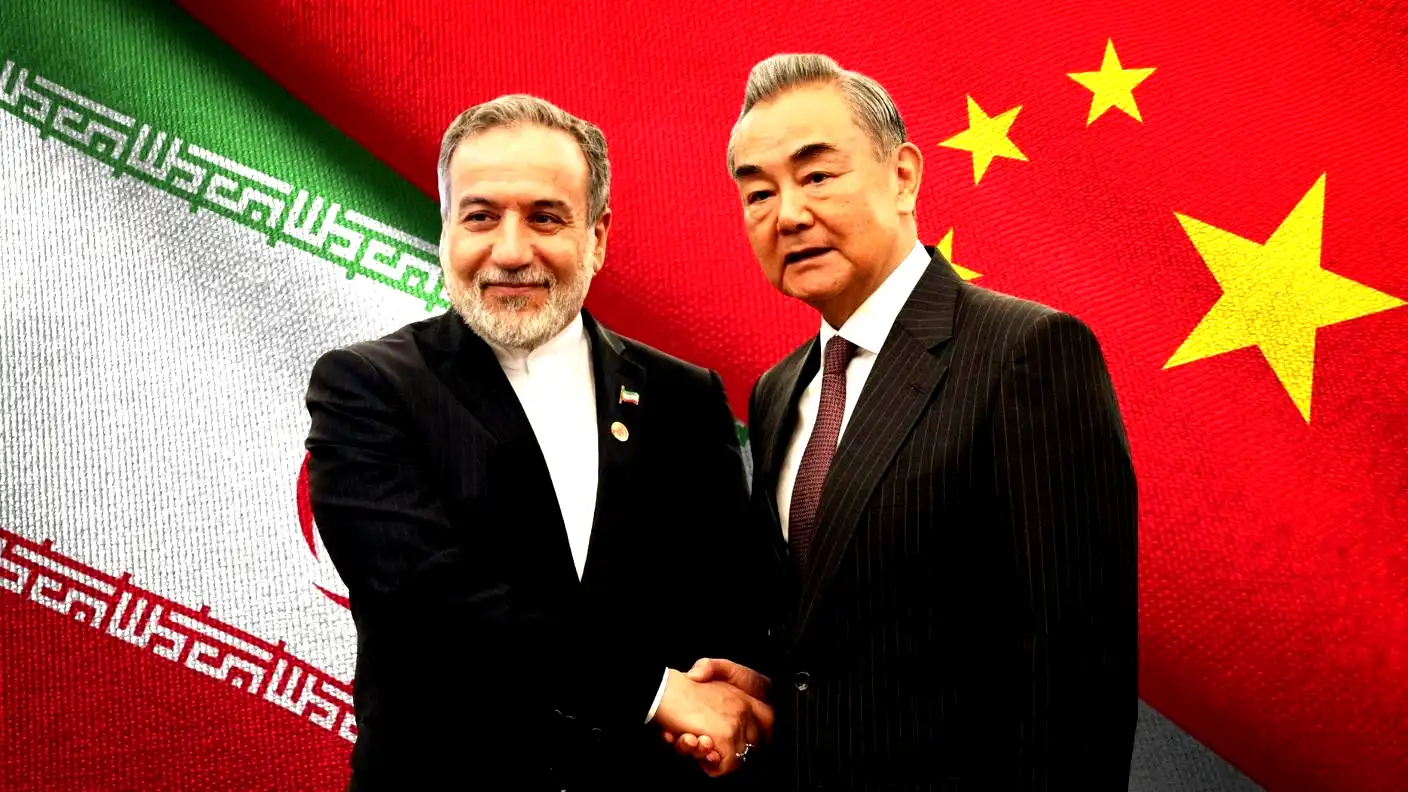
Chinese Foreign Minister Wang Yi welcomed Iranian Foreign Minister Seyed Abbas Araghchi to Beijing on Wednesday morning. The two top diplomats shook hands warmly before sitting down for an urgent round of high-level talks. Their private meeting happens at a critical moment for the global economy. A brutal military conflict in the Middle East continues to cause massive financial problems for countries around the world.
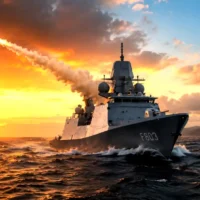
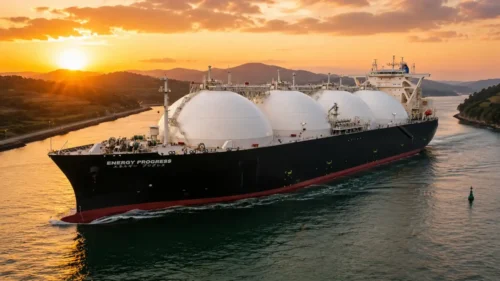
Araghchi traveled thousands of miles to the Chinese capital seeking immediate political and economic support. For exactly 9 weeks, Iranian military forces and the United States military have fought a bitter war. The heavy fighting completely shut down the Strait of Hormuz. This narrow waterway usually handles roughly 20 percent of the daily global oil supply. Because cargo ships cannot cross safely, the global price of crude oil remains stuck near a painful $100 a barrel.
These soaring energy costs severely hurt the Chinese economy. China currently stands as the largest buyer of crude oil in the entire world. Chinese factories and daily drivers consume roughly 11 million barrels of oil every single day. The blocked strait forces Beijing to pay millions of extra dollars just to keep its massive manufacturing sector running smoothly. Wang Yi wants the war to end immediately so normal international trade can resume.
During the morning meeting, Araghchi explained the severe financial damage his country currently suffers. The strict American naval blockade totally stops Iran from selling its oil to foreign buyers. Financial experts estimate this heavy blockade costs the Iranian government roughly $3 billion to $5 billion every single month. Araghchi hopes China will ignore the angry American threats and buy more Iranian oil to save its rapidly failing economy.
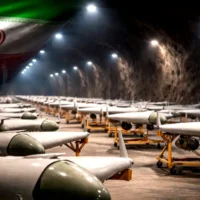
Wang Yi listened closely to the Iranian requests but quickly focused the conversation on finding a permanent peace deal. He firmly pushed Araghchi to accept the current 14-point peace proposal organized by government officials in Pakistan. The Chinese foreign minister knows that peace brings much better business opportunities than endless war. He urged Iranian leaders to stop launching military drones and rockets at neighboring countries like the United Arab Emirates.
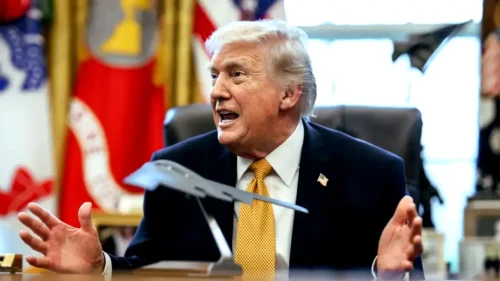
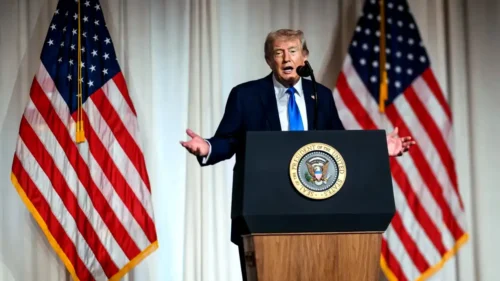
These Beijing talks carry extra weight because United States President Donald Trump plans to visit China later this month. Trump will sit down directly with Chinese leaders to discuss trade, heavy tariffs, and the Middle East crisis. Wang Yi desperately wants to secure a solid commitment from Iran before the American president lands. If China can successfully broker a lasting peace deal, Beijing will look like a powerful peacemaker on the global stage.
China and Iran already share a deep financial relationship spanning many years. A few years ago, the two nations signed a massive 25-year cooperation agreement. Under that specific deal, China promised to invest up to $400 billion into the local Iranian economy. They planned to build brand-new roads, modern hospitals, and fast telecommunications networks. However, the current war makes it far too dangerous for Chinese engineers to build anything inside Iran right now.
The daily situation on the water remains incredibly tense and dangerous. The American military recently announced it stopped exactly 45 commercial ships from doing business with Iranian ports. Meanwhile, hundreds of heavy cargo ships currently wait in long lines near the Gulf. These shipping companies lose nearly $50,000 a day in late fees and extra fuel costs while they wait for the water to clear. Wang Yi wants Iran to guarantee the absolute safety of Chinese merchant ships sailing through the region.
As the Wednesday meeting finally wrapped up, both sides agreed to keep their communication lines wide open. Araghchi thanked the Chinese government for listening to their serious concerns and hosting the diplomatic event. Wang Yi promised that China will continue to push hard for a fair and peaceful end to the military conflict. The whole world now waits to see if these quiet conversations in Beijing can finally unlock the Strait of Hormuz and bring gas prices down.