

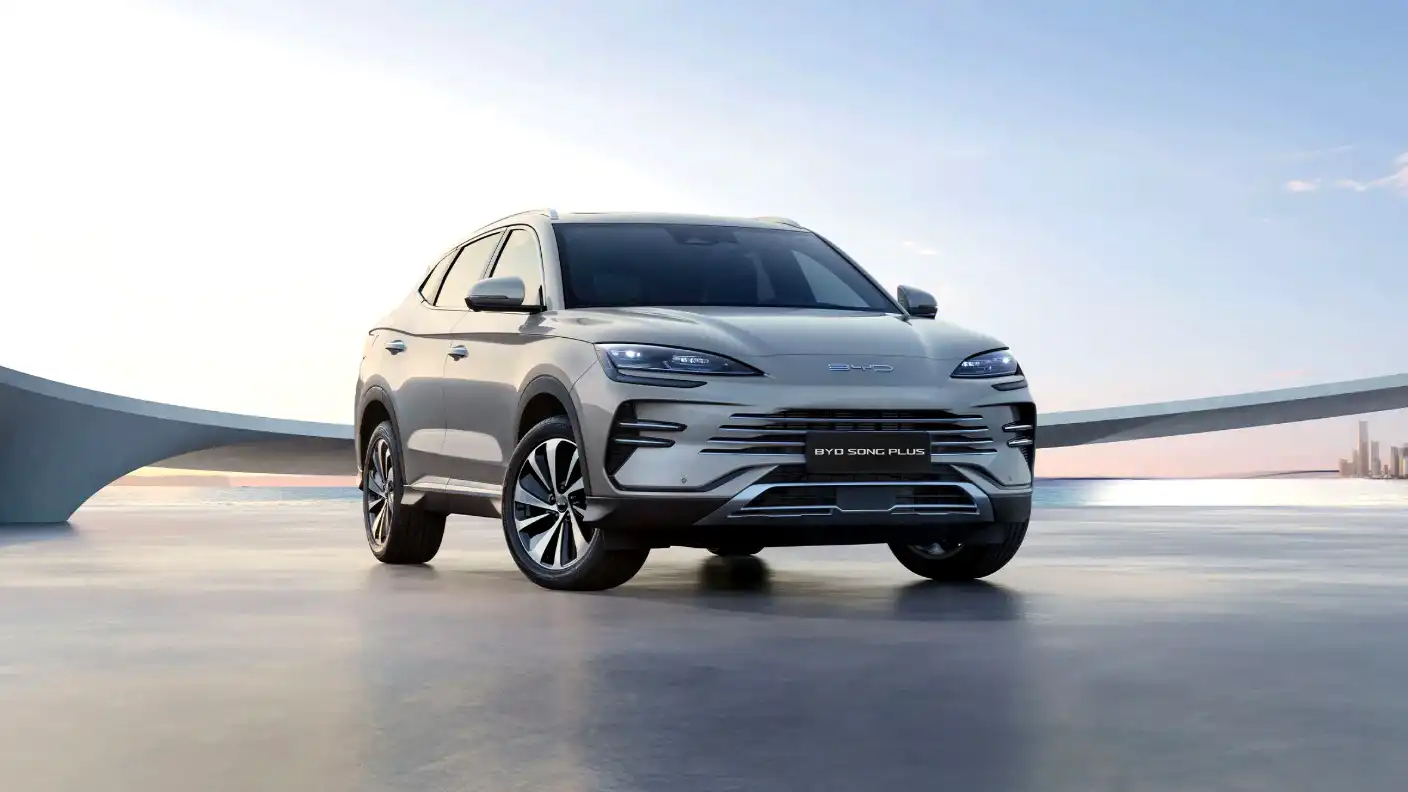
Chinese car companies want to copy a famous strategy used by Toyota. They hope to find their own “Yaris moment” to win over European drivers. Years ago, Toyota designed the Yaris specifically for Europe, and that single car helped the Japanese company conquer the continent. Now, Chinese automakers are completely rebuilding their cars from the ground up just for foreign buyers. They need to turn their massive export numbers into permanent overseas growth.
For the last few years, Chinese brands have simply exported cars designed for China, making only tiny changes for foreign markets. That old strategy no longer works. The domestic car market inside China is incredibly overcrowded. A brutal price war has raged for years, making it almost impossible for car manufacturers actually to make a profit. Because they cannot make money at home, these companies desperately seek overseas markets to survive. If they can build cars that match local tastes, they can charge much higher prices in Europe and still beat the established local brands.
Major Chinese car companies have huge plans in the pipeline. Brands like BYD, Chery, Changan, SAIC, and FAW all plan to release brand new models built exclusively for export markets. They plan to sell small hatchbacks in Europe and rugged pickup trucks in Australia and Mexico. In Western markets, Chinese companies can often sell their cars for double the price they charge in China, while still undercutting European rivals.
At the Beijing Auto Show in late April, the premium brand Hongqi showcased a small global SUV. The company plans to sell this new vehicle in exactly 80 different countries. However, design chief Giles Taylor told reporters that the engineering team designed the car primarily with urban European buyers in mind. He stated that pleasing the European driver is the exact reason why the car even exists.
BYD follows the same playbook. The electric vehicle giant designed the Dolphin G hatchback specifically for European roads and plans to launch it this June. Stella Li, the second-highest executive at BYD, explained why this specific model matters so much. In parts of southern Europe, hatchbacks account for more than 40 percent of all new car sales. In China, that specific car segment barely exists. She bluntly stated that if BYD does not offer the right car in that sector, the company will simply lose the market.
For many of these Chinese companies, exporting cars is a matter of pure survival. Industry analysts predict massive consolidation soon, expecting many of the 100 different manufacturers currently operating in China to go bankrupt. Vehicle sales inside China will likely stay flat or even decline over the next few years. This massive excess factory capacity helped China overtake Japan to become the absolute largest vehicle exporter in the world in 2024.
Gartner analyst Pedro Pacheco compared this current push to the famous Toyota Yaris strategy from 1999. Dan Hearsch, an automotive expert at AlixPartners, agreed with the comparison. He called globally relevant models the absolute Holy Grail for automakers because selling millions of the same car globally creates massive profit margins.
The strategy seems to work well in certain regions already. In Britain, Chinese car brands doubled their market share in the first quarter of the year, reaching exactly 14.2 percent. Across the rest of Europe, Chinese companies nearly doubled their share last year, jumping from 3.5 percent in 2024 up to exactly 6.0 percent. However, experts warn that this rapid export growth will stall completely if Chinese companies keep selling cars designed strictly for Chinese tastes.
Alfonso Albaisa, a senior vice president for global design at Nissan, pointed out the stark differences in consumer preferences. He noted that Chinese buyers love experimenting with wild colors and strange materials. For example, Nissan offers a pinkish mauve interior option in China that would never sell well in Europe or America. Furthermore, the average car buyer in China is much younger than buyers in Western countries. This massive age gap heavily shapes design choices. A young Chinese buyer might want a karaoke machine built into the dashboard, but a 95-year-old European driver certainly does not care about singing in traffic.
Phil Dunne, a managing director at Grant Thornton Stax, warned that competing on low prices only works the first time around. European car makers are already fighting back hard to lower their own costs. He believes Chinese companies must take their game to the next level by physically designing their cars inside Europe, specifically for European drivers.
To win in Europe, Chinese companies must go small. Chery, the biggest vehicle exporter in China, currently focuses heavily on large SUVs. Out of the 2.8 million vehicles the company sold globally in 2025, exactly 2.3 million were large SUVs. However, Ivan Dulanovic, the head of design for Chery’s new international brand, Lepas, announced that a Europe-focused hatchback, the Lepas 2, is currently under development to meet local market needs.
Other Chinese brands also plan massive international launches. SAIC plans to release an MG2 hatchback for Europe because local consumers hate driving huge cars on narrow city streets. BYD recently told its investors that it wants exactly 50 percent of its total sales to come from overseas markets by the year 2030. Meanwhile, Chery plans to bring a tough plug-in diesel-hybrid pickup truck to Australia this year, hoping to prove the vehicle can withstand the world’s harshest driving conditions















