

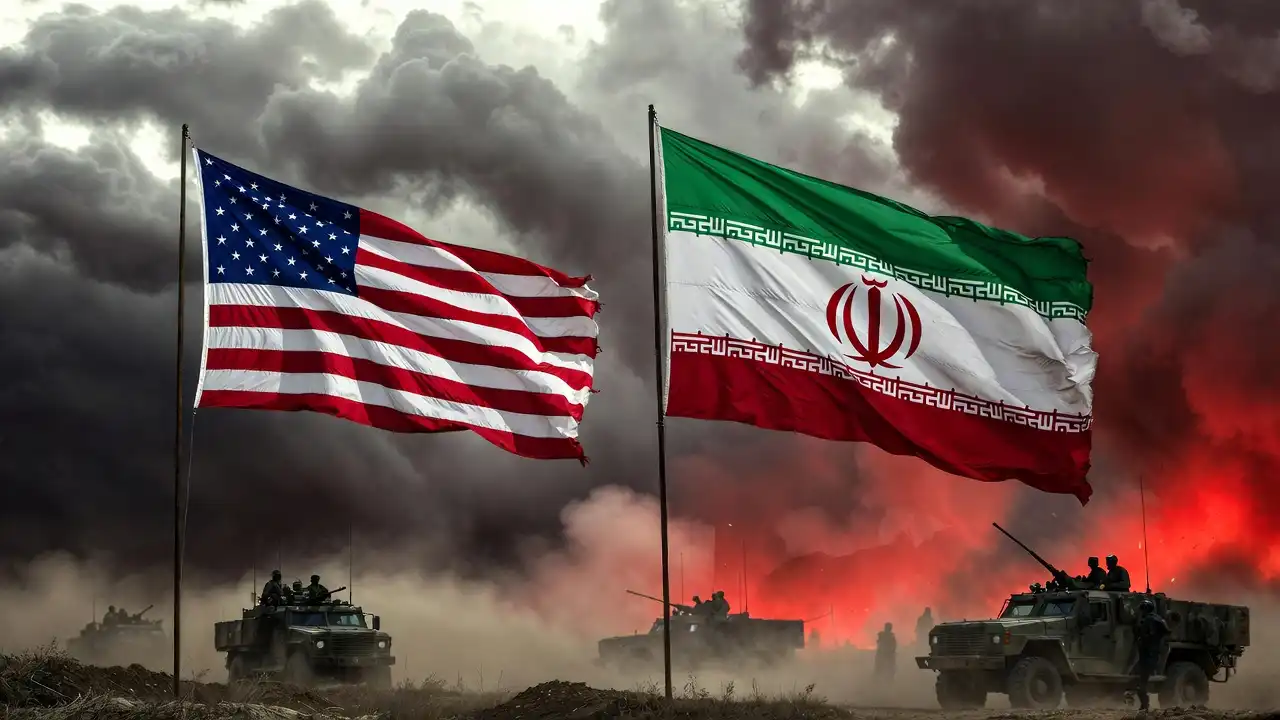
United States President Donald Trump announced on Friday that the United States is very close to signing a historic peace agreement with Iran. Speaking to reporters in the Oval Office, Trump stated that the emerging deal will prevent a catastrophic nuclear war in the Middle East. The proposed 60-day ceasefire agreement aims to end the three-month-old military conflict, lift the U.S. naval blockade on Iranian ports, and safely reopen the vital Strait of Hormuz to global shipping.
This major diplomatic breakthrough follows a rare, high-stakes Cabinet meeting that Trump held at the Camp David presidential retreat on Wednesday. During those private sessions, top American officials reviewed a new 14-point Memorandum of Understanding (MoU) with Iranian negotiators. The draft agreement outlines a 60-day ceasefire extension that will unfold in 3 distinct stages to ensure both sides follow through on their commitments.
Under the second phase of the proposed agreement, Iran must take immediate action to reopen the Strait of Hormuz within a strict 30-day window. To make the shipping lane safe again, the Iranian military must clear all the explosive sea mines it deployed during the conflict. In addition, Iran must allow commercial cargo ships to transit the waterway freely, without paying any of the illegal transit tolls that Tehran previously proposed.
In exchange for these maritime steps, the United States will pull back its economic weapons. The U.S. Treasury Department plans to issue limited, temporary sanctions waivers. These waivers will allow Iran to sell its crude oil freely to international buyers during the 60-day ceasefire, providing the cash-strapped nation with a desperate financial lifeline. Once Iran clears the mines, the United States Navy will also officially lift its strict blockade on all Iranian commercial ports.
The most critical part of the negotiations involves preventing a nuclear war and permanently dismantling Iran’s nuclear program. Under the current draft agreement, Iran must commit to never pursuing nuclear weapons. The theocratic government in Tehran also agreed to hold active negotiations during the 60-day window regarding a total suspension of its uranium enrichment program and the complete removal of its 400-kilogram highly enriched uranium stockpile.
Trump defended his aggressive, coercive diplomacy during his press conference on Friday. He argued that the U.S. naval blockade successfully squeezed Iran’s economy, forcing the country to negotiate. “They have to cry uncle and say they give up,” Trump told reporters. The president called his blockade genius and 100% foolproof, suggesting it would have stayed in place indefinitely if Iran refused to compromise.
Reopening the Strait of Hormuz is the absolute top priority for the global economy. Before the war began with joint American and Israeli airstrikes on February 28, this narrow channel handled roughly 20 percent of the total daily oil and gas supply for the entire world. The prolonged blockade has upended global energy markets and driven inflation in Europe and the US up by an extra 1.5% over the past two months. Economists estimate that the shipping closure has cost international businesses over $1.5 billion every single week.
This economic crisis is creating massive political trouble for Trump back home. The fuel shortages have pushed gasoline prices to a painful national average of $4.52 a gallon, driving up inflation. This cost-of-living crisis has dragged Trump’s public approval rating down to a record low of just 34 percent. With crucial congressional midterm elections just six months away, Trump hopes that reopening the Strait of Hormuz will flood the market with cheap oil and cause gas prices to drop like a rock.
The geopolitical situation remains highly complex as regional powers shift their alliances. The United Arab Emirates officially announced on Friday that it will leave the OPEC and OPEC+ oil cartels to focus on its own national interests, exposing a major rift with Saudi Arabia. While the UAE plans to increase its daily oil production, this extra supply will only reach global buyers once the Strait of Hormuz officially reopens, further emphasizing the importance of the peace talks.
Ultimately, the next few days will determine the fate of the Middle East. Trump is scheduled to meet with his national security team to make a final decision by Sunday evening. If both sides successfully sign the 14-point memorandum and reopen the shipping lanes, it will stabilize global energy markets, lower gas prices almost instantly, and prevent a massive regional war. The world now watches the White House with extreme caution, hoping this temporary truce will finally lead to lasting peace.















