

The recent military conflict in Iran caused retail gas prices to skyrocket, pushing overall United States consumer inflation to 3.3 percent in March 2026. This sudden jump disrupted the financial relief Americans felt earlier in the year. During January and February, inflation hovered at a much lower 2.4 percent. Analysts reported that consumer prices had actually cooled down through late 2025 before this sudden energy shock reversed the positive trend.
Gas prices fell steadily throughout most of 2025, giving drivers a welcome break at the pump. However, those savings vanished quickly when energy costs surged sharply in early 2026. When looking at the bigger picture, Americans face staggering price increases across the board. Cumulative inflation across all spending categories hit 31 percent between January 2019 and March 2026. Energy prices led this massive surge with a painful 70 percent cumulative increase over that same seven-year period.
This relentless inflationary pressure hurts lower-income households the hardest. Researchers found that the confidence gap between the wealthiest and poorest consumers widened significantly during the first quarter of 2026. This gap had actually narrowed late last year. Higher-income shoppers recently received a temporary financial cushion from their annual tax refunds. This extra cash allowed wealthy consumers to feel better about the economy, causing their financial optimism to pull far ahead of their lower-income peers.
Struggling families face another major hurdle at the grocery store as government assistance shrinks. The number of people receiving Supplemental Nutrition Assistance Program benefits has declined steadily since October 2025. The government implemented strict new employment requirements for adults aged 55 to 65. These new work rules kicked many older Americans off the program, reducing the total number of eligible participants by 10 percent by early 2026.
Food prices remain incredibly high, punishing family budgets every single week. Cumulative grocery and restaurant inflation sits at a heavy 35 percent since early 2019. Eating out costs significantly more than cooking at home. Food prices away from home jumped 3.8 percent over the past year. Meanwhile, groceries and food at home rose by just 1.9 percent during the same twelve months. Experts note that the price gap between dining out and eating at home continues to narrow, but eating out still drains wallets faster.
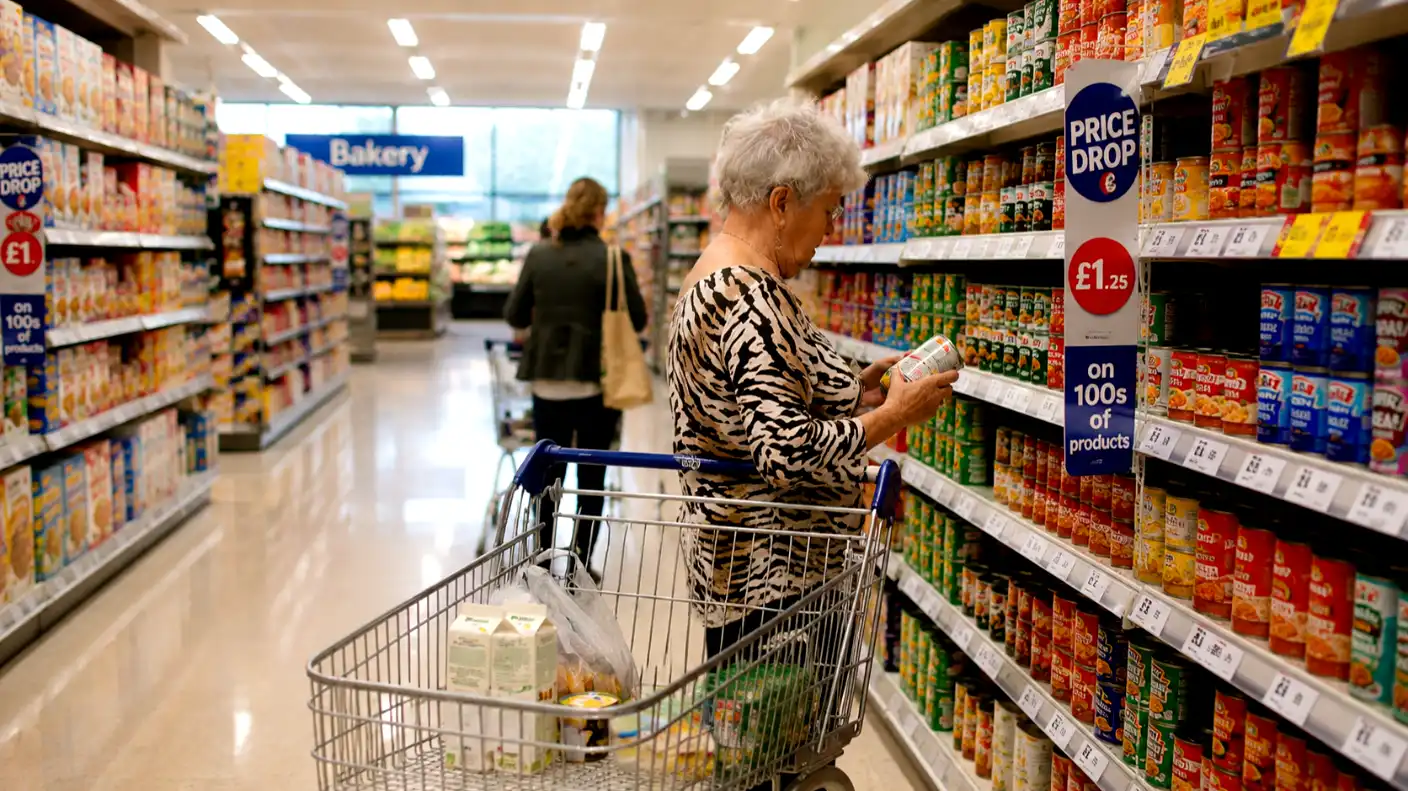
Families actively change their shopping habits to survive these relentless price hikes. Shoppers aggressively hunt for better deals and cheaper alternatives. Store-brand grocery items saw strong sales growth in recent months. These generic, private-label foods captured a massive 27.8 percent share of the entire food market by March 2026. Analysts confirm that this trend clearly shows lower-income consumers are desperately seeking better value to stretch their shrinking paychecks.
Despite these heavy financial burdens, Americans continue to spend money at retail stores. Total retail sales grew nicely across multiple shopping categories leading up to March 2026. Clothing and accessory stores posted an impressive 7.2 percent sales growth over the previous year. General merchandise stores also saw positive movement with a solid 2.5 percent growth rate. Online retailers keep winning the retail battle, continuing a dominant trend of stealing customers away from traditional physical stores since 2021.
The housing market remains completely frozen as high borrowing costs trap homeowners. The standard 30-year fixed mortgage rate stayed firmly above 6.2 percent through the first quarter of 2026. Right now, roughly 80 percent of mortgage holders have a locked-in rate below 6 percent. Even more surprising, approximately 49 percent of homeowners pay interest rates below 4 percent. Because nobody wants to trade a cheap mortgage for an expensive one, very few people sell their homes, severely suppressing total housing turnover.
This gridlock damages the broader real estate and home improvement industries. Pending and existing home sales remained extremely low throughout the previous 12 months. Without new homebuyers, fewer families renovate their homes. Financial models predict that total spending on home improvement projects will see miserable growth of 0 percent to 1 percent over the next six to nine months.
Consumer confidence continues to sink under the weight of these economic problems. The University of Michigan Consumer Sentiment Index dropped again during the first quarter of 2026. This recent drop extends a grim, multi-year downward trend in how Americans feel about their money. Shoppers expect things to get worse before they get better. Average consumers believe inflation will climb to nearly 7 percent over the coming year. At the same time, a large percentage of Americans expect the national unemployment rate to rise.
A few bright spots exist in the current economic data, offering a tiny bit of hope. Real disposable personal income per person trended upward recently, hitting approximately $52,500 in February 2026. This extra income provides families with a partial offset to the crushing weight of higher prices. Consumers also continue to borrow money, with outstanding consumer credit growing over the past year. However, this credit growth still lags behind the overall rate of inflation, meaning families are borrowing less in real terms than before the price spikes began.















