
European Union countries met on Thursday afternoon to plan their response to a deadly hantavirus outbreak aboard a cruise ship bound for Spain. The dangerous virus has killed 3 people so far. It has also infected at least 5 others, while doctors closely watch 3 more suspected cases. Health ministers and disease agencies spent the entire afternoon discussing how to handle the arriving vessel safely without putting the local public at risk.
The World Health Organization quickly stepped in to calm global fears. Many people worry about another pandemic, but experts say this outbreak will not trigger a huge global health emergency. Maria Van Kerkhove from the WHO spoke to reporters on Thursday. She made it clear that this specific event does not signal the start of a new epidemic or pandemic.
Hantavirus typically spreads through infected rats. People catch the disease when they breathe in virus-contaminated aerosols from rat droppings, urine, or saliva. The specific strain causing trouble on this cruise ship is the Andes hantavirus subtype. Health experts note that this is the only variant known to spread from person to person. However, human transmission usually requires very close, prolonged contact, such as sharing a home with an infected individual. Casual contact rarely spreads this virus.
Health officials suspect the outbreak started with a couple who went birdwatching in South America. They traveled through parts of Argentina before boarding the ship. The specific type of wild rat that carries the Andes hantavirus lives in that region. Investigators believe the couple caught the virus there and carried it back to the vessel.
Abdi Rahman Mahamud, the WHO emergency alert and response director, stated that following lessons from past outbreaks will prevent a large epidemic. Countries must isolate confirmed cases and actively monitor close contacts. Van Kerkhove added that hantavirus spreads very differently from Covid-19 or the seasonal flu. Symptoms can take up to 6 weeks to appear. Because of this long wait, authorities fully expect to see more reported cases in the coming weeks.
A European Commission spokesperson assured the public before a Thursday meeting that the risk to the general public remains very low. European leaders prioritize safeguarding public health above all else. They remain vigilant and monitor the situation closely. The European Commission, Spain, and the Netherlands plan to hold more talks on Friday. They will establish strict quarantine protocols and work with G7 members whose citizens are on the ship.
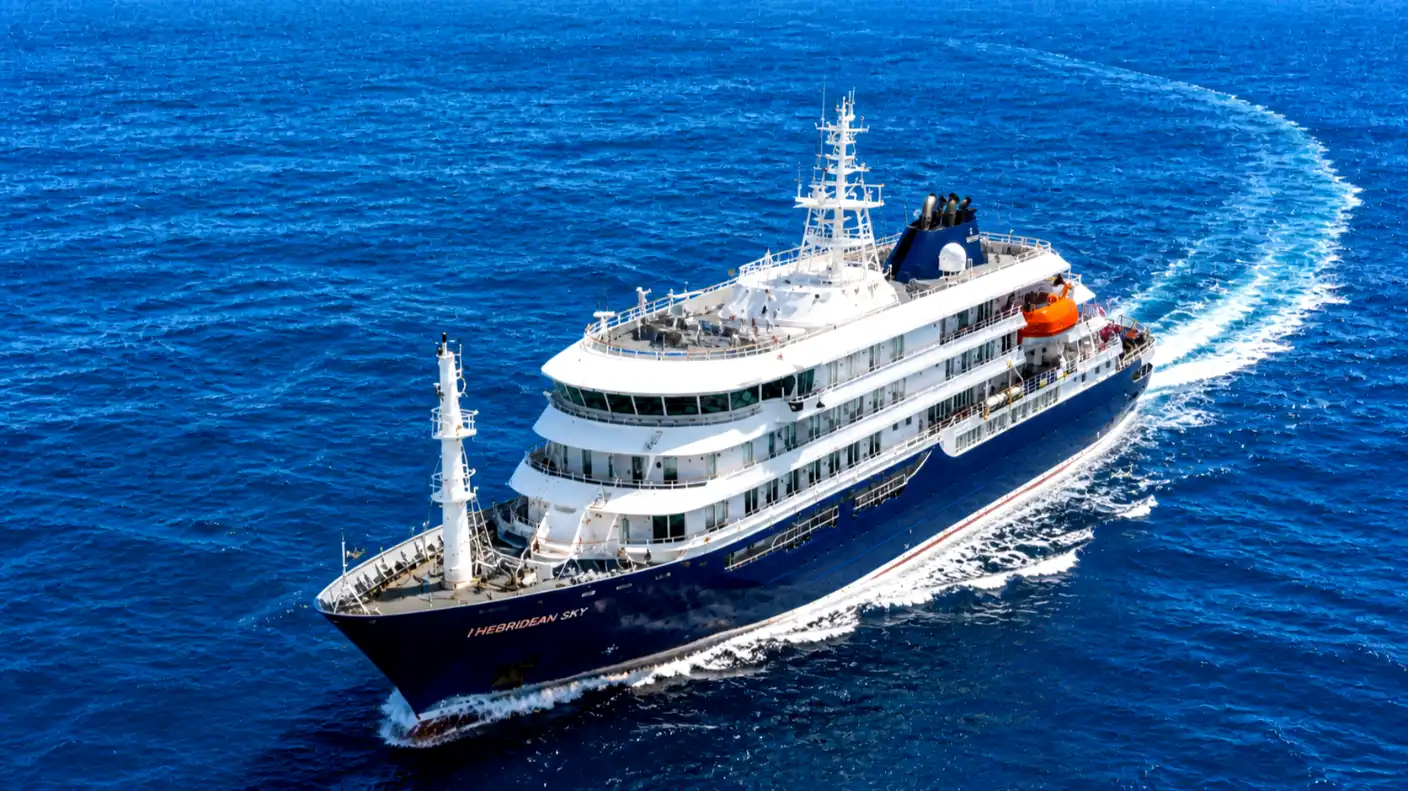
The cruise ship sails under the Dutch flag. Because of this, the Netherlands leads the assistance effort for the passengers on board. The Dutch Ministry of Foreign Affairs sent additional medical staff and 2 epidemiologists to the ship to evaluate everyone on board. Earlier in the voyage, 30 people left the ship at St Helena, a remote island in the South Atlantic Ocean, on April 24.
The European Center for Disease Prevention and Control advises all returning passengers to self-isolate at home for 6 weeks. Passengers can leave their homes only for exercise or medical appointments. Even then, they must wear a mask to protect others. A Danish citizen already returned home at the end of April. Authorities say this person is currently self-isolating and shows no symptoms. Ireland also confirmed that 2 of its citizens will face strict quarantine rules upon returning home.
The United Kingdom has the highest number of citizens on board, with 23 people awaiting return. A UK health official said that British passengers will face a 45-day self-isolation period upon their return to the country. Meanwhile, Spain expects the ship to arrive in Tenerife on Sunday morning. Oceanwide Expeditions operates the ship. Spain’s health ministry made it clear that strict quarantine remains mandatory for everyone arriving in the Canary Islands.
Virginia Barcones Sanz directs Civil Protection and Emergencies in Spain. She explained that the ship will drop anchor near the port of Granadilla de Abona. Passengers from countries with arranged repatriation flights will leave the ship by small boats. Spain continues to talk with other nations to organize these secure flights. If any country fails to arrange a flight, the Netherlands will take full responsibility under international maritime law.
Oceanwide Expeditions released a statement on May 4 regarding the exact passenger list. The company confirmed that 77 people from Europe originally traveled on the ship. The group included 23 from Great Britain, 14 from Spain, 13 from the Netherlands, and 8 from Germany. One of the German citizens sadly died on May 2. The ship also carried 5 people from Ukraine, 5 from France, 2 from Belgium, and 2 from Ireland. Greece, Poland, Portugal, Montenegro, and Russia each had 1 citizen on board.
Right now, WHO and disease-control experts remain on the ship to monitor the passengers. They instructed everyone to stay in their cabins and wear face masks if they absolutely must step out. The WHO confirmed on Thursday that no one on board currently shows any active symptoms of the virus. WHO Director-General Tedros Adhanom Ghebreyesus thanked Spanish leader Pedro Sanchez for accepting the ship and doing his moral duty to help.