

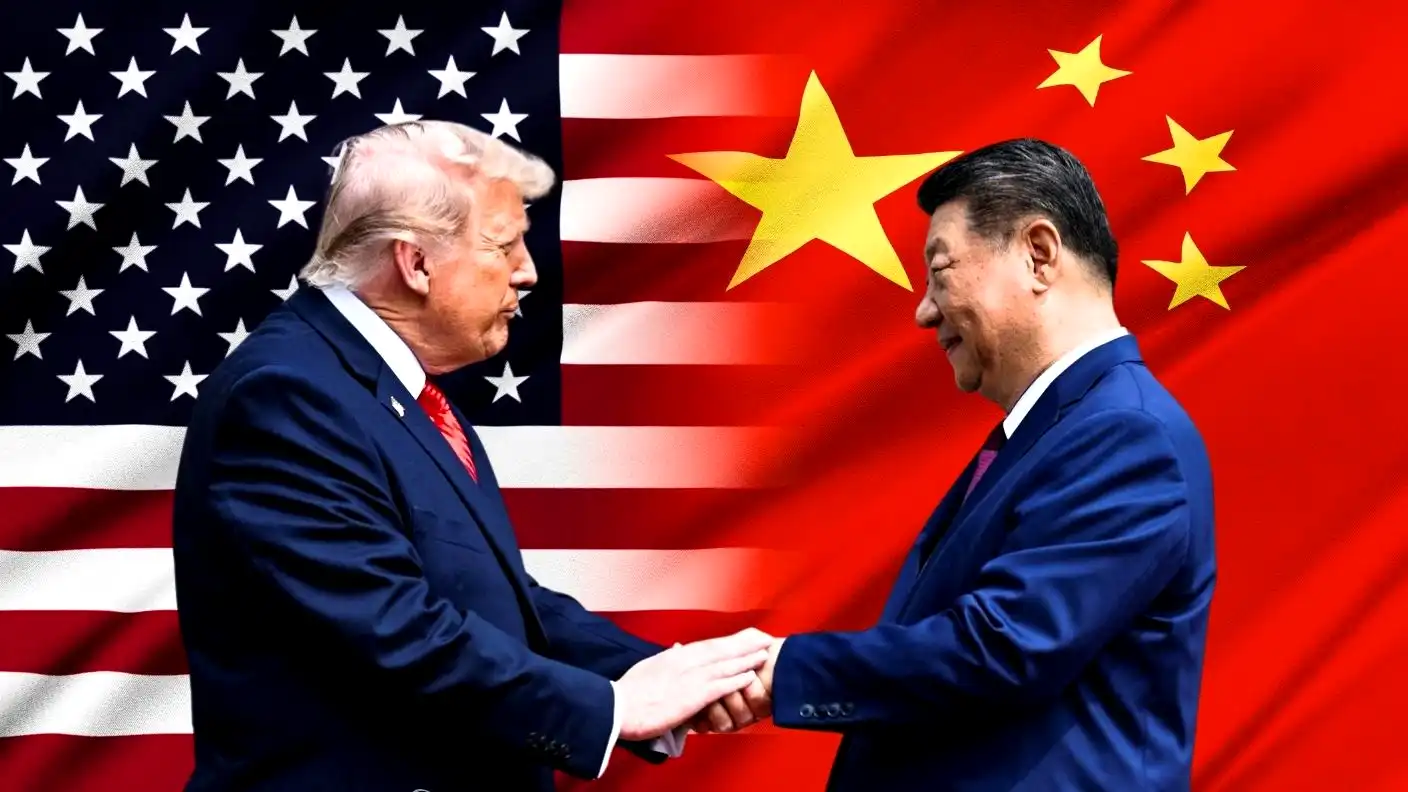
The global aviation sector is bracing for a massive commercial surge as U.S. manufacturers begin to secure lucrative agreements in the world’s second-largest economy. On Sunday, June 7, 2026, Bloomberg News reported that GE Aerospace has expressed strong optimism about securing additional commercial engine deals with China over the coming years. This commercial confidence directly follows the high-profile summit between U.S. President Donald Trump and Chinese President Xi Jinping in Beijing, which concluded in mid-May. The landmark meeting has seemingly thawed previously frozen economic relations between Washington and Beijing, unlocking a new wave of industrial cooperation that will benefit major American industrial firms and stabilize global supply chains.
The centerpiece of this renewed economic cooperation is a massive commitment by Chinese state buyers to resume purchases of American-made aircraft. During his visit to Beijing, President Trump announced that China has agreed to purchase 200 Boeing commercial jets, marking the country’s first major commercial aircraft order from the United States in nearly ten years. Crucially, the deal includes a promise to expand the order up to 750 planes if Boeing and its suppliers maintain reliable production schedules. Because GE Aerospace is the primary engine supplier for these single-aisle and widebody jets, the company stands to benefit immensely. Trump noted that the initial 200-plane order alone will require GE to supply between 400 and 450 jet engines to China, providing long-term revenue visibility for the company.
This business breakthrough did not happen by chance, but rather through aggressive corporate diplomacy on the ground in Beijing. GE Aerospace Chairman and CEO Larry Culp personally accompanied President Trump as part of a high-level delegation of American corporate leaders. On May 15, 2026, witnesses observed Culp leaving a closed-door meeting at the headquarters of China’s powerful state planner, the National Development and Reform Commission (NDRC). During this meeting, Culp met with Li Chunlin, the deputy head of the NDRC, to discuss deepening practical cooperation in the aviation sector. Li assured the American executive that China’s rapidly expanding domestic air transport market will bring broader long-term opportunities for foreign firms that invest in local partnerships.
GE Aerospace already boasts a massive operational footprint in China, which gives it a significant structural advantage over international competitors. Through CFM International, its highly successful 50/50 joint venture with France-based Safran Aircraft Engines, the company serves more than 60 partner airlines across Greater China. Today, the joint venture has more than 8,500 commercial engines in active service across China, with an additional backlog of nearly 5,000 engines on order. This massive installed base generates billions of dollars in high-margin aftermarket services and spare parts sales, which have grown to be a crucial pillar of the company’s overall financial health.
GE Aerospace’s commitment to China also extends to the country’s homegrown commercial aviation programs. For more than 20 years, the company has worked closely with the state-owned Commercial Aircraft Corporation of China (COMAC). CFM International’s next-generation LEAP-1C engines power COMAC’s signature C919 narrowbody aircraft, which Chinese airlines are rapidly deploying to reduce their reliance on foreign airframes. To support this expanding fleet, CFM recently signed a landmark agreement with Sichuan Services Aero-engine Maintenance Company (SSAMC), a 60/40 joint venture between Air China and CFM. Under this agreement, the SSAMC facility in Chengdu will become the world’s first Premier maintenance, repair, and overhaul (MRO) shop licensed to service all LEAP engine variants, including the LEAP-1C.
To prepare for this massive influx of international orders and meet existing backlogs, GE Aerospace is aggressively expanding its manufacturing capabilities in the United States. Earlier in March 2026, the engine maker announced that it would invest an additional $1 billion in its domestic manufacturing sites and supplier base this year. This comes on top of a separate $1 billion investment program that the company initiated last year. This capital injection will support the creation of approximately 5,000 additional jobs in the United States and fund upgrades to advanced technology. Specifically, the company will dedicate more than $200 million of this new funding to expand production capacity for the CFM LEAP engine family, ensuring it can meet its delivery commitments to Boeing, Airbus, and COMAC.
The potential thaw in aviation trade aligns with a broader effort by both Washington and Beijing to de-escalate commercial conflicts. Following the Beijing summit, the two nations agreed to seek a formal extension of their existing trade tariff truce. Under the proposed terms, both sides will work toward reciprocal tariff cuts on at least $30 billion worth of goods, while ensuring that U.S. tariffs do not exceed the baseline levels set under the previous Kuala Lumpur arrangement. For President Trump, securing these high-profile purchase commitments is a critical domestic priority as he faces rising political pressure over energy inflation and the upcoming midterm elections.
As the global aviation market slowly recovers from years of supply chain disruptions and geopolitical friction, the renewed partnership between GE Aerospace and China represents a major step forward. While the initial 200-plane deal fell short of the 500-plane package that some Wall Street investors had originally anticipated, the long-term potential for expansion remains massive. By combining local corporate diplomacy with massive domestic production upgrades, GE Aerospace has positioned itself to capture a significant share of China’s soaring demand for flight. As long as Washington and Beijing maintain their fragile trade truce, the aviation supply chain will likely see steadier footing and robust commercial growth for years to come.















