

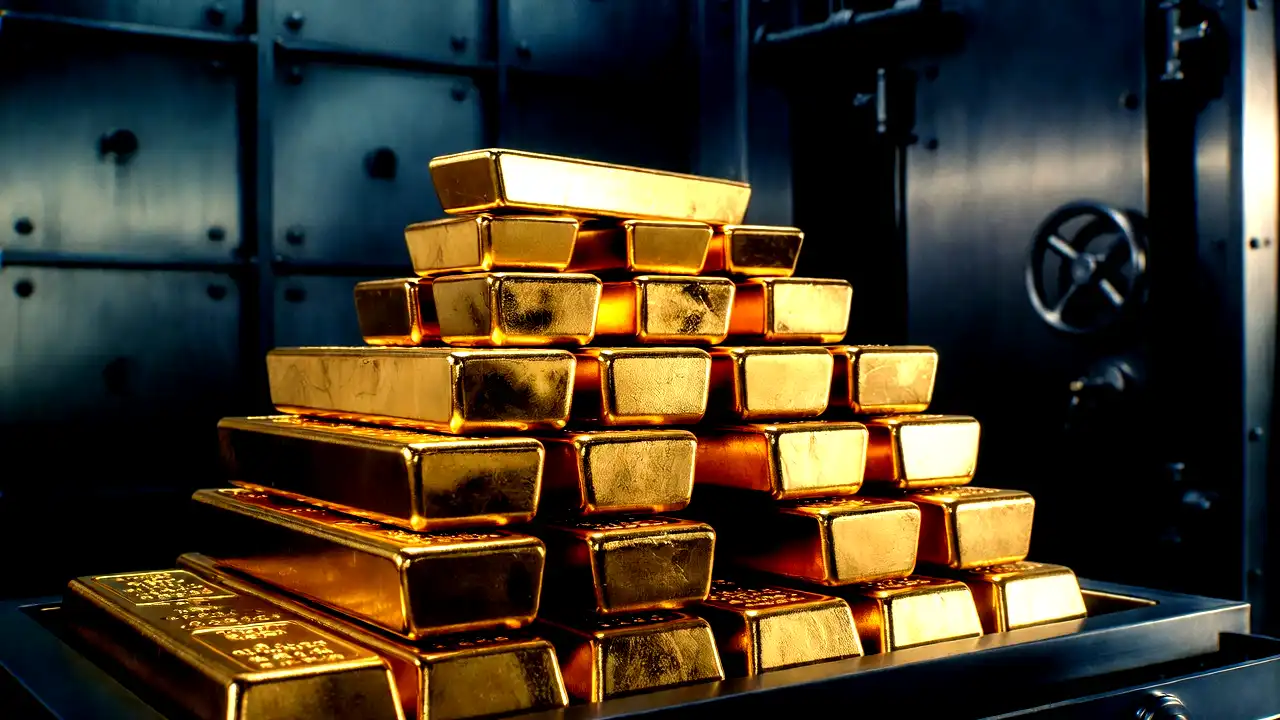
A dramatic shift in geopolitical tensions has finally thrown a lifeline to the global precious metals market, halting an agonizing downward spiral. In a major turnaround, gold and silver recorded their first daily gains in nearly a week, potentially ending their longest losing streak in several months. The sudden rebound occurred immediately after U.S. President Donald Trump canceled planned military airstrikes on Iran and announced that Washington and Tehran are close to signing a permanent peace treaty. This unexpected diplomatic breakthrough has injected fresh optimism into trading rooms, triggering a substantial short-covering rally that lifted gold prices back above the critical $4,200 threshold.
The positive reaction across global trading desks on Friday morning was swift and substantial. Spot gold prices jumped nearly 3% to trade at $4,223.70 per ounce, after hitting a session high of $4,267.80 during early trading. At the same time, silver prices surged nearly 5% to trade around $67 per ounce, after touching an intraday peak above $68. Despite this strong Friday rally, both precious metals remain on track for a bruising weekly loss. A prominent American financial daily reported that gold is still heading for a 7% weekly decline, marking its second consecutive weekly drop after a relentless multi-day sell-off wiped out nearly $1 billion in speculative futures contracts.
To put the current pricing into perspective, precious metals have experienced extreme volatility throughout the first half of the year. Before this week’s crash, gold had enjoyed an unprecedented rally, with international spot prices briefly touching an all-time high of over $5,500 per ounce. However, the market entered a rapid downward trend in early June, with prices turning downward from a high of $4,353 per ounce. Within just five trading sessions, gold broke through multiple key support levels, crashing to a six-month low near $4,000 per ounce. This rapid decline wiped out the vast majority of the year’s accumulated gains, fueling widespread market panic.
The sudden rebound on Friday directly reflects a fascinating and complex relationship between gold and oil prices during the three-month-old war in the Middle East. Throughout the conflict, which began in late February, rising oil prices have driven up global energy costs and fueled fears of persistent inflation. These high inflation expectations prompted traders to price in a 70% probability of another U.S. interest rate hike by December, which heavily pressured gold because the metal does not generate any yield. When President Trump called off the airstrikes on Thursday night, international crude prices immediately plummeted by 5%. This sharp drop in oil prices eased interest-rate anxieties, boosting the appeal of precious metals.
Despite Friday’s welcome relief rally, commodities experts warn that precious metals remain highly vulnerable to broader macroeconomic pressures. A London-based commodity broker noted that a firm U.S. dollar and high U.S. Treasury yields continue to place a heavy lid on any sustained recovery. The benchmark U.S. 10-year Treasury yield is currently hovering near a critical 4.5% threshold, which acts as a powerful magnet for global capital. As long as yields remain elevated, investors will likely prefer interest-bearing assets over non-yielding hard assets, meaning gold faces a challenging valuation environment even as geopolitical risks begin to subside.
The long-term outlook for gold is also closely tied to shifts in leadership and policy direction at the U.S. Federal Reserve. The central bank’s newly appointed chairman, Kevin Warsh, is widely viewed by Wall Street as a conservative policymaker who will likely focus heavily on reducing the Fed’s massive balance sheet. This tighter monetary approach has pushed real yields higher, making it difficult for gold to reclaim its previous peaks. While the central bank is widely expected to keep rates unchanged at its upcoming meeting, any hawkish statements or hints of future rate hikes will quickly renew the downward pressure on precious metals.
The broader lack of confidence among professional investors is visible in the continuing capital outflows from major exchange-traded funds. The world’s largest gold-backed exchange-traded fund recorded a substantial weekly decline of 2.86 metric tons in its physical holdings, marking its second consecutive daily decrease. This drop pushed the fund’s total holdings down to 1,013.64 metric tons, representing a decline of nearly 1.5% in the fund’s total asset portfolio, the lowest level observed since October 2025. This persistent institutional selling proves that while retail buyers are slowly returning to the market, larger financial institutions are still liquidating their gold positions to cover margins and allocate capital to higher-yielding assets.
As trading concludes for the week, the global precious metals market remains locked in a delicate transition phase. The successful rebound on Friday proves that the market can react quickly to positive diplomatic headlines, but it does not yet signal a permanent trend reversal. Until the central bank provides clearer guidance on its interest rate path and both nations officially sign the Middle East peace agreement, gold prices will likely remain highly volatile and sensitive to news. For now, the precious metal must rely on strong physical demand from central banks and global retail buyers to establish a firm bottom above the $4,000 support level before launching its next major rally.















