
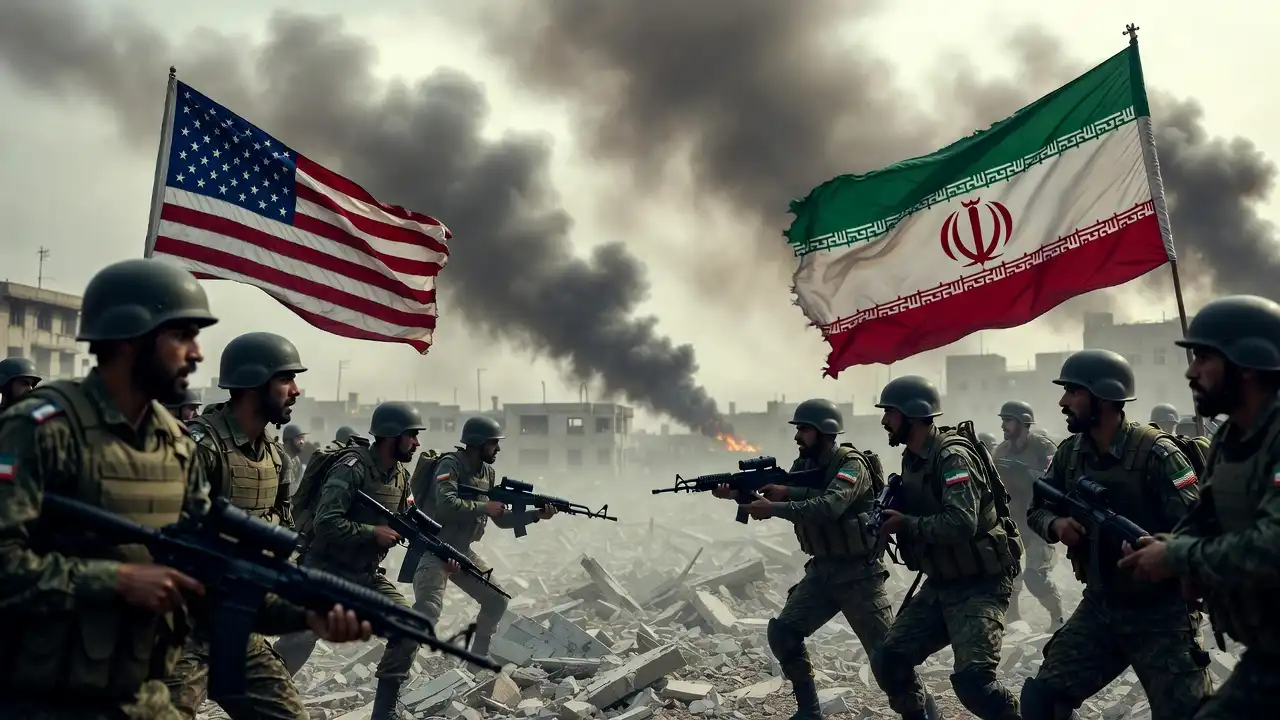
The military conflict between the United States and Iran escalated dramatically over the weekend, putting a fragile ceasefire under immense pressure. U.S. fighter aircraft conducted precision strikes against Iranian military targets in southern Iran, including Qeshm Island and Goruk. Tehran’s Islamic Revolutionary Guard Corps quickly retaliated on Monday, launching missile and drone attacks at a regional airbase that hosts American forces. This latest exchange of blows threatens to derail ongoing, highly sensitive diplomatic negotiations aimed at ending the three-month-old war.
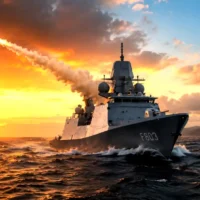
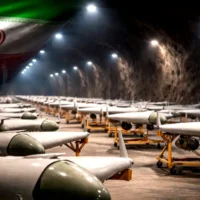
U.S. Central Command confirmed that the weekend air strikes on Iran’s Gulf coast were direct acts of self-defense. According to CENTCOM, the operation responded to aggressive Iranian military actions, which included the shootdown of an American MQ-1 drone over international waters. U.S. jet fighters swiftly targeted and eliminated several high-risk installations, destroying Iranian air defense batteries, a key ground control station, and two explosive one-way attack drones that posed an immediate threat to commercial and naval vessels transiting the regional waters.
Tehran wasted no time in executing its response. On Monday, June 1, 2026, the Islamic Revolutionary Guard Corps announced that it had targeted a U.S. military airbase in retaliation for the southern Iran attacks. Although Iranian officials did not name the specific facility, air defenses in neighboring Kuwait were activated to intercept a barrage of incoming missiles and drones. Sirens wailed across Kuwait, a country that hosts a major U.S. military base, prompting Kuwaiti officials to strongly condemn the Iranian attacks for undermining regional de-escalation efforts.
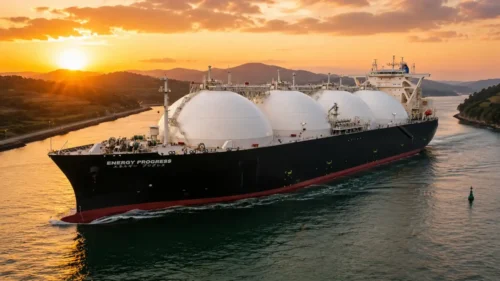
The sudden military escalation sent shockwaves through the global energy sector, triggering a sharp spike in commodity prices. Oil prices gained more than 3% in early Monday trading as traders calculated the risks of a wider supply disruption in the Middle East. Brent crude futures jumped by 3.7% to reach $94.53 per barrel, while West Texas Intermediate crude oil surged by 4.3% to settle at $91.09 per barrel. The effective closure of the Strait of Hormuz by Iranian forces earlier in the conflict continues to choke global supply routes, amplifying market sensitivity to every military exchange.
This confrontation represents the latest setback to Pakistan-led mediation efforts. The United States and Iran have sporadically traded military strikes since a temporary ceasefire took effect in early April. The war, which originally began on February 28, 2026, has already killed thousands of people, primarily in Iran and Lebanon, while wreaking havoc on the global economy. Negotiators in Islamabad are working tirelessly to secure a durable, long-term peace agreement, but the recurring cycle of attacks and retaliations threatens to dismantle the progress they have made. International observers worry that if these peace talks fail, the regional war could expand into a multi-nation confrontation that would permanently reshape Middle Eastern geopolitics and disrupt vital commercial trade channels.
Adding fuel to the regional fire, Israel ordered its troops to move further into Lebanon on May 31, 2026. Israeli forces captured a strategically vital fortress, marking the country’s deepest incursion into Lebanon in more than a quarter of a century. This advance targets the Iran-backed militant group Hezbollah, which operates closely with Tehran. Iranian Foreign Minister Abbas Araqchi publicly warned that a ceasefire violation on one front constitutes a violation of the truce across all fronts, directly holding the United States and Israel responsible for the wider fallout. The intensifying clashes in southern Lebanon create a secondary front that threatens to draw Iran deeper into active combat, complicating the delicate calculations of military planners in both Washington and Tel Aviv.
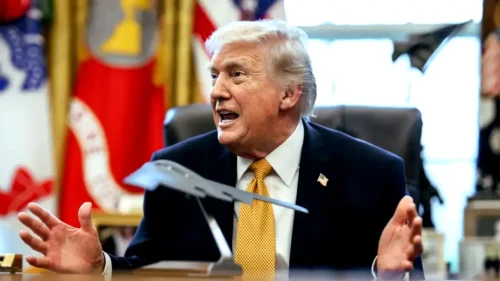
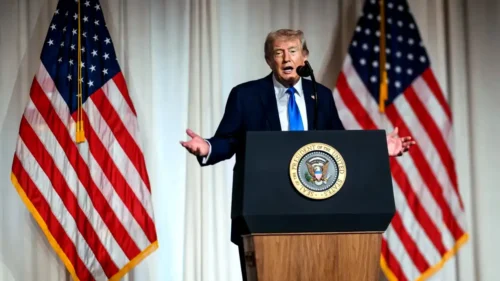
Despite the escalating violence on the ground, U.S. President Donald Trump maintained an optimistic tone regarding the potential for a peaceful resolution. In a late-night post on his Truth Social platform, Trump bypassed the immediate news of the airstrikes to repeat his assertion that Iran genuinely wants to make a deal with the United States. He claimed that such an agreement would ultimately benefit Washington and its strategic allies in the region. He reiterated that his primary objective remains preventing Iran from developing a nuclear weapon. This goal, he believes, is still highly achievable through rigorous economic pressure and direct diplomatic engagement.
In the same social media post, Trump directed sharp criticism toward his political opponents and media commentators, accusing them of undermining the sensitive negotiation process. He berated what he described as “political hacks” and unpatriotic figures, claiming their negative public commentary makes it significantly harder to finalize the ceasefire terms. Trump urged critics to sit back and relax, promising that the conflict would work out well in the end. This defense of his administration’s foreign policy comes as domestic pressure mounts on the White House to secure the reopening of the Strait of Hormuz and bring down rising fuel prices ahead of upcoming political cycles.
As both nations navigate this volatile transition, the path forward remains highly unpredictable. While political leaders in Washington and Tehran continue to talk about their desire for a diplomatic settlement, the reality on the ground reflects a dangerous military stalemate. With air defenses on high alert across the Gulf and warships patrolling the shipping lanes, the international community faces the very real threat of a broader, uncontrolled escalation that could quickly reschedule or derail the ongoing peace talks. Ultimately, the stability of the entire global energy market hangs in the balance as military forces on both sides of the Gulf remain on a hair-trigger alert.