

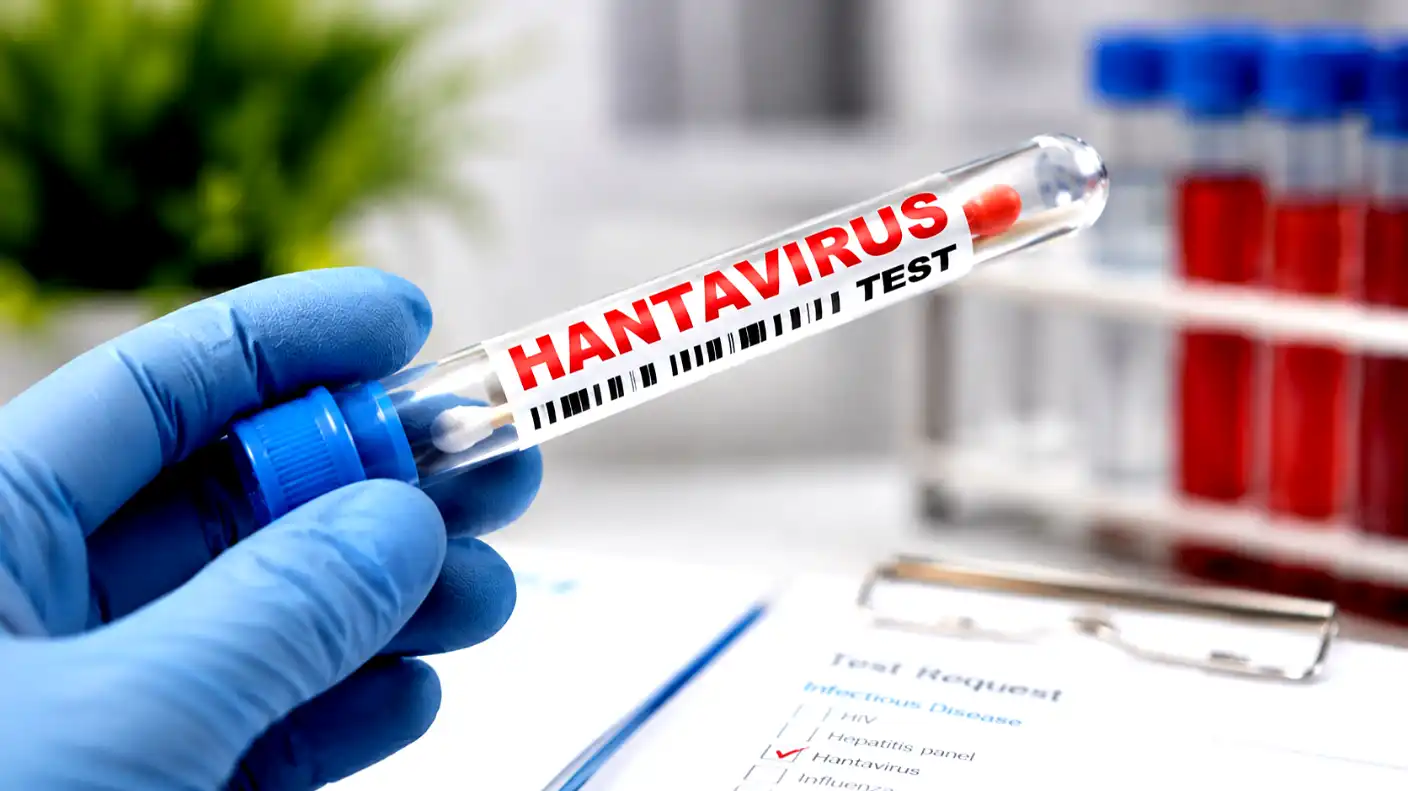
A deadly hantavirus outbreak aboard a cruise ship is raising concerns about another global health crisis. Passengers leaving the MV Hondius cruise ship are traveling back to multiple countries, including the United States. As of Tuesday, the World Health Organization reported 11 cases tied to the ship. Health officials confirmed 9 of those infections, which sadly resulted in 3 deaths. As of Wednesday, no American citizens have tested positive for the virus.
Doctors in the United States currently monitor 18 passengers in specialized medical centers in Nebraska and Atlanta. Medical staff across several states are also evaluating a few people who had no connection to the cruise but may have been exposed. Right now, doctors have no specific treatments for hantavirus. However, investors reacted quickly to news of a possible cure. Shares of Moderna jumped about 12 percent on Friday after the pharmaceutical company confirmed it started early research on a potential hantavirus vaccine.
Even as public fear grows, health experts want everyone to know this outbreak will not turn into another COVID-19 pandemic. The Andes strain of hantavirus causes this specific sickness. Unlike COVID, the flu, or measles, this strain does not spread easily from person to person. Dr. Nicole Iovine, an infectious disease physician at the University of Florida, said experts do not expect a massive number of infections. She noted that containment measures will likely keep the sickness limited to people who sailed on the ship.
The risk to the general public remains incredibly low. Humans usually contract hantavirus after coming into contact with infected wild rodents and inhaling dust containing their droppings, urine, or saliva. The Andes strain, found primarily in South America, is the only hantavirus strain known to jump between humans. However, this human-to-human jump requires close and prolonged contact with a sick person. World Health Organization investigators think the current outbreak started with a Dutch couple who went bird-watching in Argentina, Chile, and Uruguay before boarding the cruise. The couple visited areas known to house hantavirus-carrying rats and later died from the disease.
Experts point out that cruise ships create the perfect environment for the spread of disease. Dr. Tyler Evans, the CEO of Wellness Equity Alliance, called cruise ships floating petri dishes because they pack diverse groups of people into tight spaces for weeks at a time. Since the virus has an incubation period of 1 to 6 weeks, doctors expect a few more cases to pop up soon. But because officials quickly isolated the exposed passengers, the spread should stop there.
Hantavirus remains very rare in the United States. Data from the Centers for Disease Control and Prevention shows only 890 reported cases in the country between 1993 and 2023. Most of those infections happened in Western states. Because the virus does not hang in the air as respiratory viruses do, an explosive nationwide outbreak simply will not happen.
While the actual hantavirus poses little threat to everyday Americans, the outbreak response highlights a massive problem. Public health experts say the situation exposed deep cracks in the American health system. Lawrence Gostin, a public health law professor at Georgetown University, said the country failed this stress test. He warned that if this virus spread easily, the United States would face a catastrophic disaster.
Critics blame recent political decisions for weakening the national response. In early 2025, President Donald Trump cut about 10 percent of the CDC workforce. These deep cuts removed key scientists and epidemiologists who usually coordinate disease responses with foreign governments. In addition to the staff cuts, the agency currently operates without a permanent director. The country also lacks a U.S. surgeon general to guide public health policy.
Gostin criticized the CDC for acting too slowly. The World Health Organization learned about the outbreak on May 2 and immediately sent an expert to the ship. The CDC waited until May 6 to issue a public statement and did not send a health alert to American doctors until May 8. The agency finally sent teams to Spain and Nebraska on May 7 to help evacuate American passengers. Gostin said the CDC usually leads in global health emergencies, but this time, they showed up late and acted in a disorganized way.
Experts also worry about the fallout from the Trump administration’s withdrawal of the United States from the World Health Organization last year. Because the country left the international group, American health officials no longer receive automatic, real-time data about emerging global health threats. Neil Maniar, a public health professor at Northeastern University, said the system broke down completely. He urged the government to restore its funding and expertise because the country will inevitably face more dangerous outbreaks in the future.















