
The newly signed U.S.-Iran peace agreement has successfully triggered a sharp decline in global crude oil prices, but energy experts warn that fully restoring the world’s most critical maritime chokehold will be a slow and arduous process. Brent crude prices fell by nearly 8% last week, sliding below the $80 mark as traders anticipated a massive wave of oil and natural gas returning from the Persian Gulf. However, behind the scenes, energy executives and shipping operators are warning that the global supply chain will remain tight for weeks, if not months. The historic memorandum of understanding is acting more as a slow release valve rather than a sudden floodgate, as shipping firms confront a massive backlog, damaged port infrastructures, and severe logistical bottlenecks.
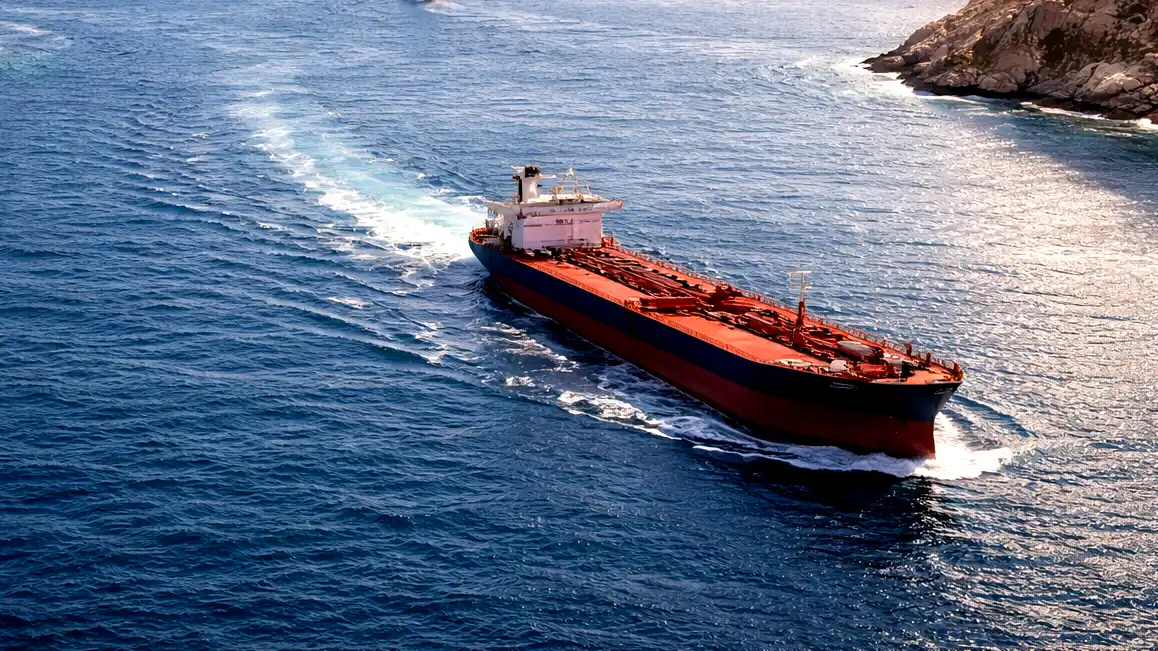
Despite the high-profile announcements, the physical flow of tankers through the narrow channel remains a tiny fraction of prewar levels. According to recent ship-tracking data provided by maritime intelligence firm Kpler, a modest pickup in traffic occurred over the weekend, with 19 tankers transiting the strait on Saturday followed by 14 on Sunday. The vast majority of these voyages featured tankers leaving the Persian Gulf laden with oil from the United Arab Emirates, Saudi Arabia, and Iraq. While this activity represents a notable increase from the quiet levels recorded earlier in the month, the current daily transit volume remains far below the prewar average of over 100 vessel crossings a day.
The slow recovery of shipping traffic is further complicated by intense geopolitical posturing and conflicting claims on the ground. On Saturday, Iranian military and security officials announced they had officially closed the strait again, with the state-run Tasnim news agency declaring that the waterway would remain blocked until military operations in southern Lebanon completely stop. However, the U.S. military countered these assertions, stating that the international shipping lane remains open and safe. While maritime tracking data confirmed that ships are indeed moving, the public threats from Tehran’s hardliners have injected a fresh wave of anxiety into shipping boardrooms, keeping transit insurance premiums elevated.
The physical security of the strait remains heavily constrained by the presence of Iran’s Islamic Revolutionary Guard Corps. In radio recordings shared with maritime security firms, the IRGC’s elite Sepah navy told commercial captains that passage through the strait remains strictly forbidden without their explicit permission and physical assistance. The Iranian navy has not yet used high-frequency radio networks to announce the formal reopening of the shipping lane, forcing crews to navigate Omani territorial waters to avoid crossing into Iranian jurisdiction. This lack of official coordination means that shipping companies are effectively acting on their own risk calculations.
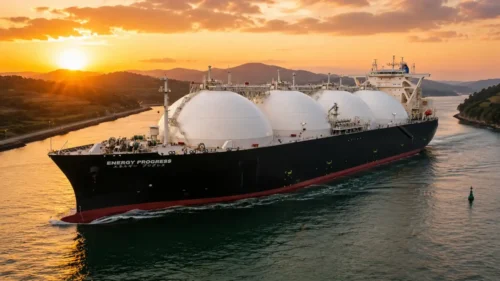
Beyond the immediate geopolitical tensions, ship captains face a bizarre and highly frustrating technical hurdle before they can resume normal operations. Hundreds of massive tankers and LNG carriers have been sitting completely idle in the warm, shallow waters of the Persian Gulf for more than 100 days. This prolonged period of inactivity has allowed thick layers of algae and barnacles to grow on the vessels’ steel hulls, creating significant hydrodynamic drag that severely reduces their speed and efficiency. Crews must spend hours, and in some cases days, physically scraping and cleaning the hulls, refueling their engines, and restocking essential supplies before they can safely attempt the voyage.
The slow return of shipping traffic also means that the impact on consumer fuel costs will not be felt immediately. Over the past three months, major economies have aggressively drained their domestic oil inventories to offset the massive supply deficit created by the blockade, pushing U.S. emergency stockpiles to their lowest levels since 1985. Rebuilding these commercial and strategic reserves to safe operating levels will require millions of barrels of crude oil, absorbing the first waves of supply. Consequently, true supply relief for consumers in North America and Europe is highly unlikely to materialize until late August or early September.
Ramping up physical oil extraction is another major challenge that will test the industry’s engineering limits. Middle Eastern oil producers cut their joint crude production by more than 11 million barrels a day in May compared to precrisis levels, according to the U.S. Energy Information Administration. Analysts at Argus Media estimate that it will take between four and six months of continuous work to restore regional production close to prewar levels. While some fields can quickly ramp up production within two weeks, others have suffered from prolonged shut-ins that have damaged reservoir pressures, requiring extensive maintenance before they can resume extraction.
The technical difficulty of restarting production varies significantly across different oil-producing nations. According to the International Energy Agency, approximately 50% of the region’s shut-in oil fields possess high enough natural pressure to return to prewar production rates within two weeks, with that number rising to 80% within six weeks. However, the remaining 20% of the fields are located in highly volatile areas of Iraq and Kuwait, where the lack of maintenance and physical infrastructure damage may prevent them from ever returning to pre-conflict levels. This means that the total available global supply will remain structurally smaller than it was before the war erupted.
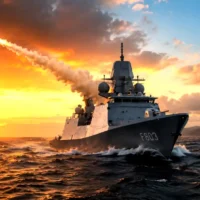
The physical path through the strait also presents direct safety hazards for merchant crews. The U.S. Navy-led Joint Maritime Information Center has strongly warned commercial ships to avoid the traditional international traffic separation scheme, as naval forces are still carrying out the slow, dangerous task of clearing underwater mines planted during the hostilities. Instead, the maritime authority has recommended that all vessels utilize the southern transit route along Omani territorial waters, which has been verified as clear of mines. The constant threat of these explosive devices has forced Lloyd’s underwriters to keep war-risk insurance premiums at historic highs, deterring many smaller shipping firms.
Ultimately, the complex process of getting the Strait of Hormuz back up and running serves as a stark reminder of the massive gap between diplomatic agreements and physical realities. While the digital signing of the U.S.-Iran peace treaty was a major milestone that cooled paper oil markets, the hard physical limitations of shipping logistics, hull maintenance, and military mine clearance cannot be bypassed overnight. As Kpler reports a slow, day-by-day increase in tanker traffic and crews clean their barnacle-encrusted hulls, the global energy market is entering a long transition phase. The world must accept that the reopening of the Gulf is a month-long process of incremental recovery, requiring patience, high capital, and a deep respect for the limits of maritime operations.