
Iran fired a strict warning at France and Britain on Sunday over their naval plans in the Middle East. The Islamic Republic told the two European nations to keep their warships away from American forces in the Strait of Hormuz. Iranian leaders consider the recent European naval movements an illegal militarization of a critical global waterway. Deputy Foreign Minister Kazem Gharibabadi delivered the message directly, drawing a hard line in the sand for foreign militaries operating near Iranian waters.
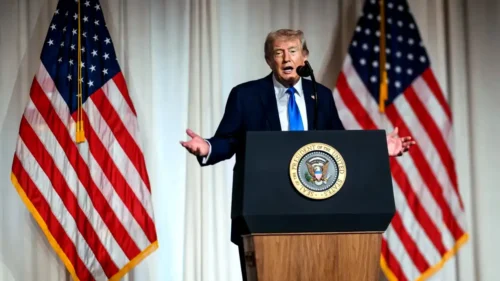
Gharibabadi made his position very clear in a public post on the social media platform X. He promised that the Iranian armed forces would launch a decisive and immediate response if European ships entered the strait alongside the United States Navy. While he did not detail exactly which weapons or tactics his military would use, his statement marks a major spike in tensions over one of the most vital shipping lanes on Earth.
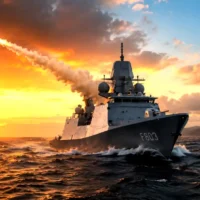
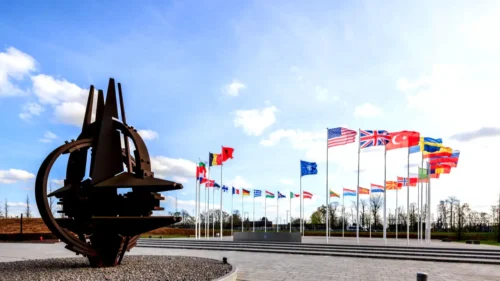
This angry response comes right after Paris and London announced a new joint naval mission. The French government recently sent the Charles de Gaulle aircraft carrier toward the Red Sea and the Gulf of Aden. Military leaders in Paris want to prepare the massive ship for upcoming regional operations. British defense officials quickly followed up by promising to send one of their own advanced warships to coordinate directly with the French fleet.
European leaders claim they only want to protect international freedom of navigation. Paris stated its sailors would focus strictly on clearing sea mines and safely escorting commercial cargo ships once the region calms down. However, Iranian officials flatly reject this explanation. Gharibabadi framed the European mission as a dangerous cover story that simply helps American naval forces control the area. He stated that any foreign ship assisting the Americans will trigger an immediate fight.
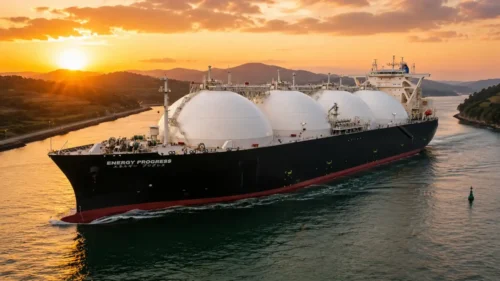
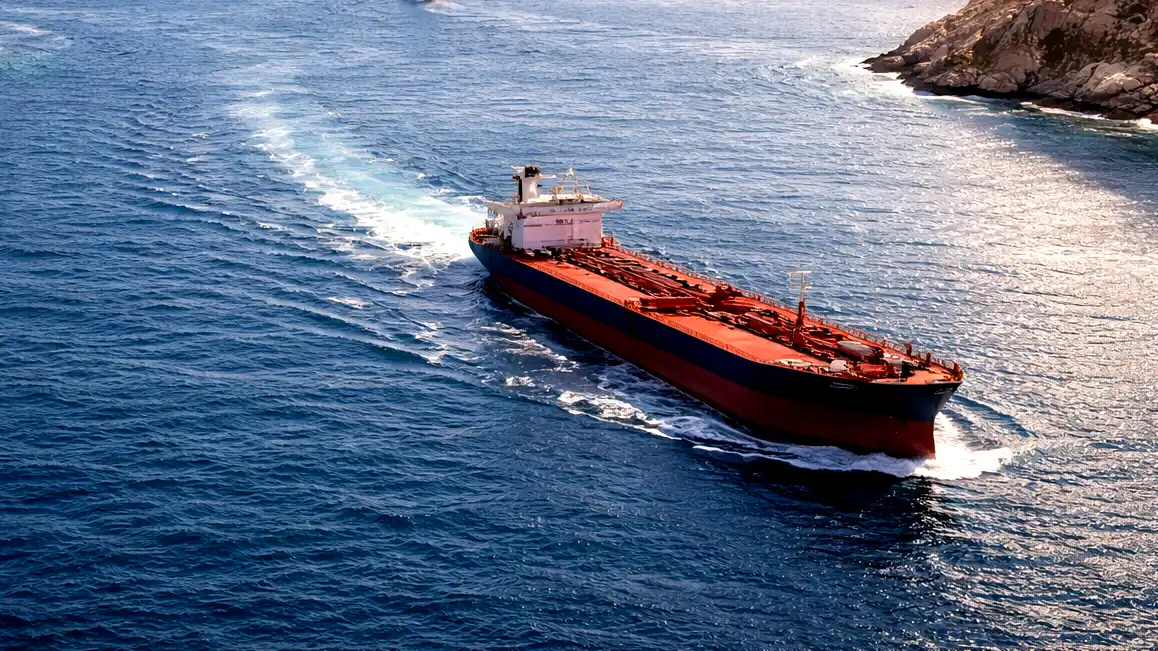
The economic stakes in this narrow stretch of water are massive. The Strait of Hormuz links the Persian Gulf to the open ocean, and it serves as the most important oil chokepoint on the planet. Every single day, massive tankers carry roughly 21 million barrels of crude oil through this channel. Energy experts estimate this accounts for nearly 20% of the entire global oil trade. A disruption here could shock the global economy and threaten over $1.2 trillion in annual international commerce.
Gharibabadi advised the European nations not to complicate an already fragile situation. He argued that foreign countries cannot ensure maritime security simply by showing off their heavy military hardware. He pointed out that outside nations often cause the very problems they claim they want to solve. According to the Iranian diplomat, countries that support aggression or stay silent during regional sieges have no right to police Middle Eastern waters.
Iran insists that local coastal states must handle their own maritime security. Gharibabadi stated clearly that only Iran has the right and the capability to keep the Strait safe. He declared that his country will take charge during both times of war and times of peace. The government in Tehran absolutely refuses to let any foreign power interfere with how it manages the coastal waters near its borders.
The deputy foreign minister took his argument a step further by focusing on strict territorial rights. He stated that the Strait of Hormuz does not belong to extra-regional powers. At its narrowest point, the shipping lane spans just 21 miles across. Because the channel lies directly on Iran’s southern border, Tehran claims the ultimate sovereign authority to determine all legal and security rules governing ships passing through the area.
Western navies have patrolled these waters for decades, but the current political climate makes any miscalculation extremely dangerous. A single clash between an Iranian fast attack boat and a British destroyer could easily shut down commercial shipping traffic for weeks. If shipping insurers pull their coverage for oil tankers, gasoline prices around the world could jump by 10% or more within a matter of days.
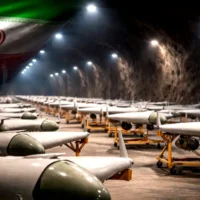
Right now, naval commanders on all sides face a tense waiting game. The French aircraft carrier brings enormous firepower to the region, carrying up to 40 advanced fighter jets. Meanwhile, Iran possesses thousands of anti-ship missiles and heavily armed speedboats scattered along its rocky coastline. The world will watch closely as the European warships approach the strait to see if either side decides to back down.