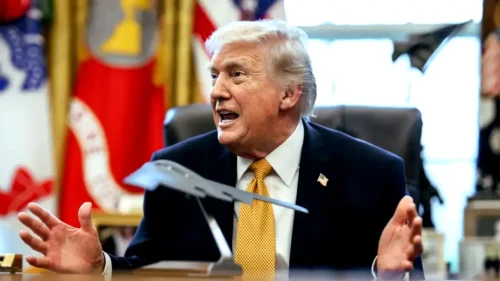

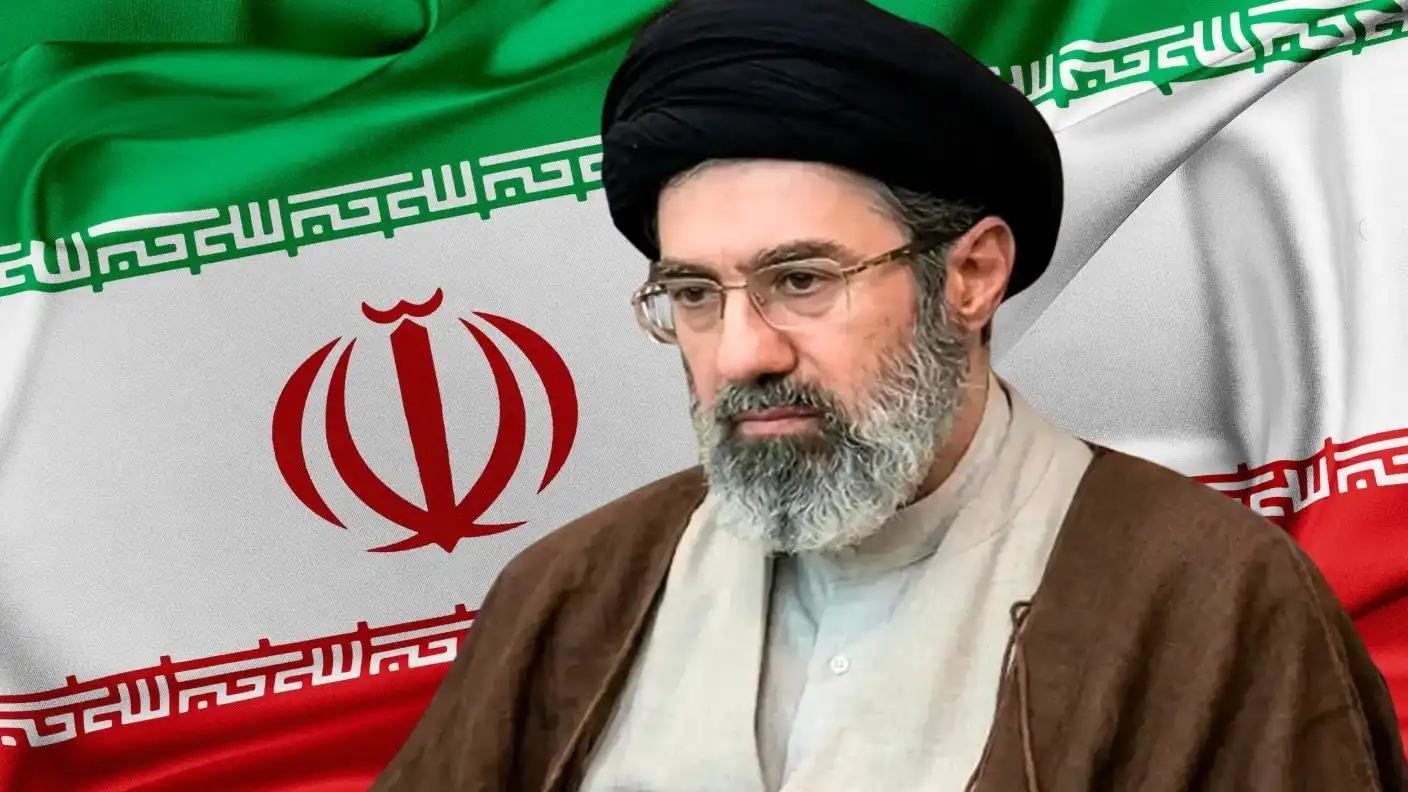
Iran’s Supreme Leader Ayatollah Mojtaba Khamenei has issued a strict directive forbidding the country from sending its highly enriched uranium abroad. This bold order immediately hardens Tehran’s stance on one of the most critical demands of the United States and Israel. The decision could deeply frustrate US President Donald Trump and complicate ongoing diplomatic efforts to end the current war, which has dragged on for nearly 3 months.
The new directive directly clashes with Trump’s personal promises to his allies. Israeli officials told reporters that Trump previously assured them that any final peace treaty would force Iran to ship its entire stockpile of near-weapons-grade uranium out of the country. Israeli Prime Minister Benjamin Netanyahu has taken an incredibly hard line on the issue. He vows that his country will not consider the war over until Iran surrenders its enriched uranium, halts its support for regional proxy militias, and completely dismantles its ballistic missile program.
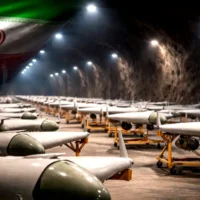
Iranian officials decided to keep the material inside their borders out of deep survival instincts. Insiders close to the negotiations revealed that Iran’s top leadership believes sending the uranium abroad would leave the nation completely defenseless. They fear a surprise military attack by the United States and Israel once the protective material leaves. The ruling elites in Tehran harbor deep suspicions that the current, shaky ceasefire is simply a tactical trick by Washington to create a false sense of security before launching a new wave of devastating airstrikes.
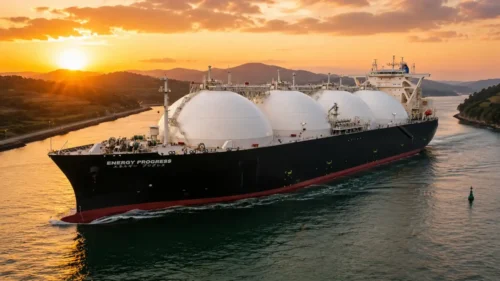
The military standoff at sea further complicates the peace negotiations that Pakistan is currently trying to mediate. While a temporary ceasefire has paused active shooting, the economic war continues. The United States Navy maintains a strict blockade of Iranian commercial ports, while Iran holds a tight grip on the Strait of Hormuz. Because this narrow shipping lane normally handles exactly 20 percent of the daily global oil supply, the standoff keeps international markets highly volatile.
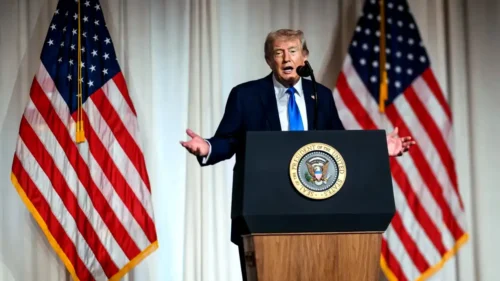
The two warring sides have started to narrow a few minor diplomatic gaps, but the massive divide over the nuclear program remains completely unresolved. Trump stated on Wednesday that the United States stands fully ready to launch a fresh wave of military attacks if Iran does not sign a peace deal. However, he suggested that Washington could wait a few days to get the right answers. Iranian negotiators insist they will only discuss the details of their nuclear program after they receive credible guarantees that the US and Israel will permanently end the war.
The scientific details of Iran’s nuclear program lie at the very center of this global crisis. Israel, the United States, and Western nations have spent years accusing Tehran of secretly building a nuclear bomb. They point directly to Iran enriching uranium to 60 percent purity, which sits far higher than the levels needed for civilian power and dangerously close to the 90 percent purity required to build a weapon. Before the war began, Iran actually signaled a willingness to ship out exactly 50 percent of this highly enriched stockpile. However, the sources confirmed that Tehran completely withdrew that offer after Trump repeatedly threatened to destroy the country.
The International Atomic Energy Agency currently tries to keep track of the remaining nuclear material. Before joint US and Israeli forces attacked Iranian nuclear facilities in June 2025, the agency estimated that Iran held exactly 440.9 kilograms of uranium enriched to 60 percent. How much of that material survived the heavy bombing campaigns remains a mystery. In March, IAEA chief Rafael Grossi reported that his agency believes slightly over 200 kilograms of the material remains intact, hidden deep inside a secure tunnel complex at the Isfahan nuclear facility.
Iran maintains that its nuclear ambitions exist solely for peaceful, civilian purposes. The government claims it needs some highly enriched uranium to run a research reactor in Tehran that produces medical isotopes for cancer patients. This specific research facility runs on small amounts of uranium enriched to around 20 percent. To break the current deadlock, one Iranian source suggested a possible compromise: diluting the highly enriched stockpile back to lower levels under the strict, 100 percent supervision of international inspectors.
For now, both sides refuse to take any action that makes them look weak. The Iranian military has warned of a crushing response if the US launches fresh airstrikes, while Trump faces domestic pressure to show strength. With neither country willing to blink first, the fragile ceasefire remains highly unstable, leaving the entire region on the brink of a much larger conflict.