

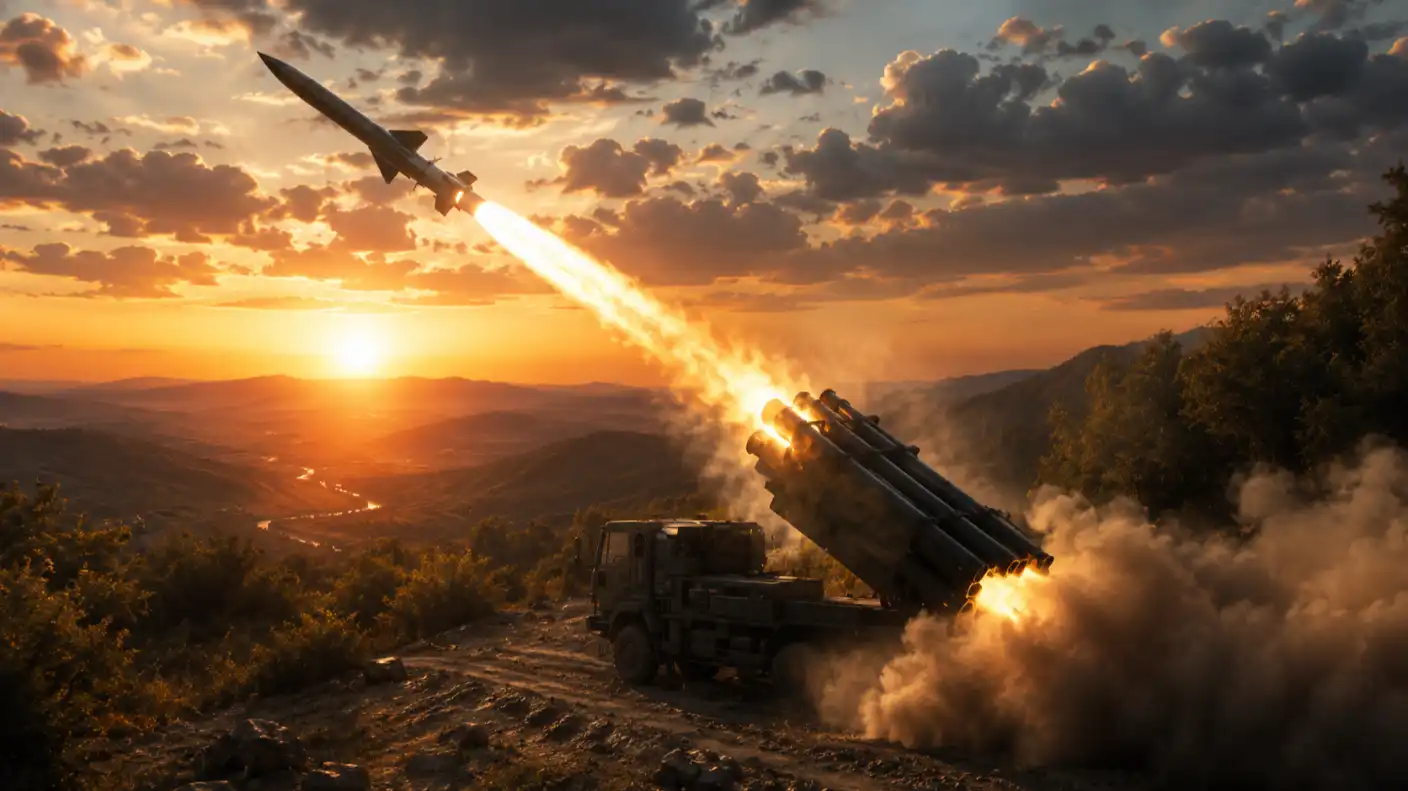
The United States military intends to deploy its advanced Typhon mid-range missile launcher and the High Mobility Artillery Rocket System (HIMARS) to southwestern Japan next month. According to local media reports, these systems will arrive to participate in a series of joint exercises conducted alongside the Japanese Self-Defense Forces. This planned deployment revives tensions from last year, when a similar placement of American missile hardware triggered fierce opposition from residents and civic groups.
The upcoming drills, known as Valiant Shield and Orient Shield, will see these powerful weapons stationed at the Maritime Self-Defense Force’s Kanoya Air Base in Kagoshima Prefecture. Military planners scheduled these exercises to take place between June and September. Sources familiar with the matter told Kyodo News that the deployment is a key component of these large-scale training maneuvers, designed to test coordination and interoperability between American and Japanese forces in the Indo-Pacific region.
Once the exercises conclude in September, the American military does not plan to ship the gear back to the United States immediately. Instead, officials confirmed that the Typhon and HIMARS systems will be transported to a permanent U.S. military base in Japan for long-term storage. This strategy effectively ensures that this highly capable missile technology remains available in the region for rapid use should a crisis emerge.
The Typhon system’s previous deployment in Yamaguchi Prefecture last September serves as a cautionary tale for military planners. During those large-scale exercises, the system remained at the site for far longer than the government initially explained to the public. This lack of transparency infuriated residents, who viewed the prolonged presence of such aggressive military equipment as a threat to their safety and a disruption to daily life.
Residents and civic organizations reacted strongly to the news of the upcoming deployment to Kanoya Air Base. Following the experience in Yamaguchi, a local group quickly submitted a formal request to the Japanese Defense Ministry. They demanded the immediate removal of any such systems, expressing a deep-seated fear that these deployments, while presented as temporary joint exercises, could eventually become a permanent, routine reality. The equipment from the previous Yamaguchi mission was eventually withdrawn in November, but the delay left lasting scars on public trust.
The Typhon system is a land-based, ground-launched missile platform capable of firing Tomahawk cruise missiles and SM-6 interceptors. Defense analysts believe the system fills a critical gap for the United States by providing a mobile means to strike targets at long range. While military experts emphasize the defensive nature of these systems, critics argue that deploying such launchers in Japan alters the regional security dynamic and could make local communities targets of foreign powers.
Japan has spent over $5 billion in recent years to modernize its defense capabilities and deepen its security cooperation with the United States. Prime Minister Sanae Takaichi’s government views these joint exercises as essential for deterring regional aggression. By hosting American missile launchers, Japan signals to rivals that it possesses the ability to respond forcefully to any threats against its territory or maritime interests.
However, balancing these national security requirements with local community concerns remains a difficult task. The Defense Ministry often finds itself caught between the need for strong military cooperation with the United States and the understandable anxiety of residents living near military bases. With the Valiant Shield and Orient Shield exercises fast approaching, the government faces significant pressure to manage the deployment carefully to avoid a repeat of last year’s public relations disaster.
The United States Department of Defense maintains that these exercises are vital for maintaining peace and stability in the region. By deploying the Typhon and HIMARS systems to Japan, American commanders seek to demonstrate their readiness to defend allies in the event of a conflict. The military points out that the ability to move these systems quickly between bases in Japan is exactly what it needs to counter modern threats.
As the June start date approaches, the Japanese government must decide how to address the demands of the civic groups in Kagoshima. Officials have not yet announced any special town hall meetings to soothe concerns, but they likely realize that another prolonged stay for these missiles will not go unnoticed by the public. The coming months will test whether Japan can successfully integrate these potent American missile systems without losing the support of the local communities that host them.















