
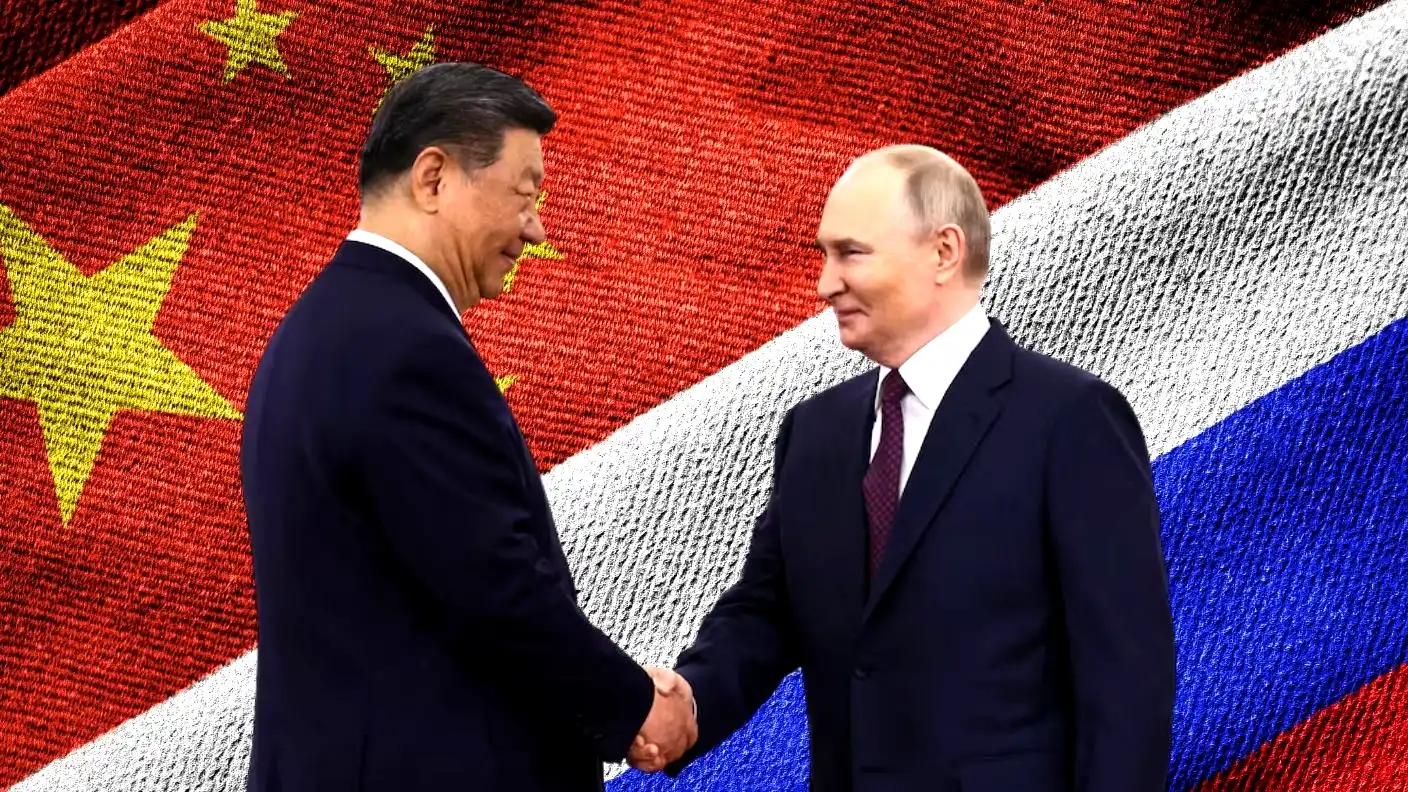
Russian President Vladimir Putin wrapped up his high-stakes visit to Beijing on Wednesday. He left with warm declarations of endless friendship and a stack of over 40 bilateral agreements. However, he failed to secure the massive energy pipeline deal Moscow was eyeing. This failure highlights how the partnership is increasingly tilting in Beijing’s favor, leaving Russia with much less leverage.
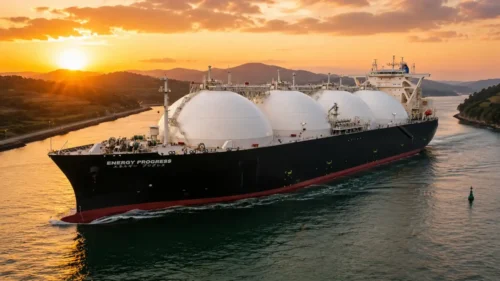
The biggest disappointment for Putin was the complete lack of progress on the Power of Siberia 2 pipeline. Russia desperately needs this project to redirect its massive natural gas exports from Europe to Asia. Following Russia’s invasion of Ukraine in 2022, European countries shut off most of Moscow’s gas deliveries. Russian Press Secretary Dmitry Peskov admitted that while they agreed on some parameters, several complex nuances remain unresolved, and there is no clear timeline for the project.
Lyle Morris, a senior national security fellow at the Asia Society Policy Institute, called the failure a huge setback and an embarrassment for Putin. He explained that Chinese President Xi Jinping is playing hardball because Russia has very few alternatives left. While Russia increased its oil and gas shipments to China after recent disruptions in the Strait of Hormuz, Beijing remains highly cautious about becoming overly dependent on a single gas supplier.
The proposed Power of Siberia 2 pipeline is designed to carry up to 50 billion cubic meters of natural gas annually from Russia to China via Mongolia. This would expand on the existing Power of Siberia 1 system, which already delivers about 38 billion cubic meters of gas to China annually. Although the two countries signed a legally binding memorandum in September 2025, construction stalled due to bitter disagreements over pricing, financing, and delivery timelines.
Despite the pipeline failure, the two nations signed a sweeping package of over 40 deals covering trade, technology, education, and nuclear security. Xi hailed their bilateral relations as the highest in history. However, the economic reality shows a massive imbalance. While China is Russia’s largest trading partner, Russia accounts for only about 4 percent of China’s total trade. This small percentage gives Beijing almost all the power in its economic relationship.
The two countries also agreed to deepen their military trust by expanding joint exercises, air patrols, and maritime patrols. On paper, they stand united against Western influence. Moscow reaffirmed its support for the “One China principle” regarding Taiwan, while Beijing backed Russia’s sovereignty and called for a diplomatic solution in Ukraine. In a joint statement, they took a thinly veiled swipe at the United States, condemning military strikes on third countries and the assassination of foreign leaders.
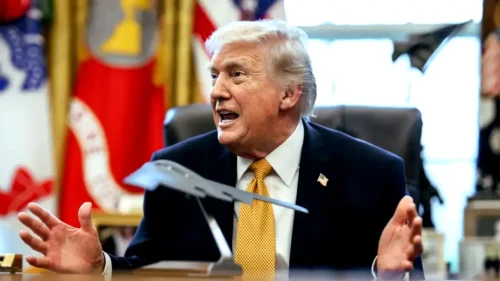
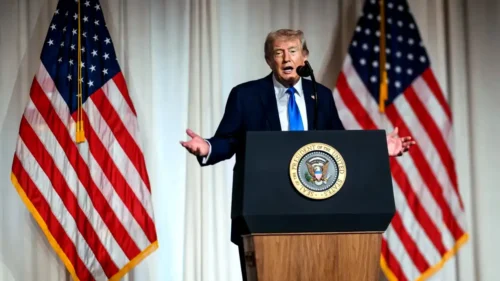
Putin’s visit to Beijing came right on the heels of a visit by United States President Donald Trump. Xi Jinping rolled out an almost identical, highly lavish welcome for both leaders. Both men walked down a red carpet on the tarmac, passed lines of children waving flags, and listened to a loud 21-gun salute echoing across Tiananmen Square.
While the welcome ceremonies looked identical, the passenger lists did not. Trump arrived flanked by a dozen powerful American business leaders, including the chief executive officers of Apple, Tesla, and Nvidia. In stark contrast, Putin’s entourage consisted almost entirely of deputy premiers, government ministers, and the heads of state-backed oil and gas corporations. This difference showed that Trump came to talk about high-tech trade, while Putin came begging to sell his natural resources.
Evan Medeiros, a professor of Asian studies at Georgetown University, explained that China designed this double welcome to show rough equivalence between the two rival leaders. For Xi Jinping, hosting both Trump and Putin back-to-back highlights his growing central role in global events. Medeiros noted that Xi is successfully positioning China as the most indispensable external power in international politics. While Trump has visited China only twice, Putin has traveled there more than 20 times during his quarter-century in power.