
A top Japanese government official forcefully rejected recent complaints from China and Russia on Thursday morning. The 2 neighboring countries accused Japan of rapidly remilitarizing its armed forces. Deputy Chief Cabinet Secretary Masanao Ozaki dismissed these claims as completely unfounded. He delivered his remarks at a public press conference just 24 hours after a major political summit in Beijing.
Leaders from China and Russia met in the Chinese capital on Wednesday to strengthen their strategic partnership. During their detailed talks, the 2 foreign leaders expressed deep concerns about the current security situation in East Asia. They specifically pointed fingers at Tokyo. They claimed the Japanese government is abandoning its long history of peace and building an aggressive military force.
Ozaki wasted no time firing back at the 2 nations. He stated clearly that Japan maintains a strict defense-oriented policy. He turned the spotlight away from Tokyo and pointed directly at the actions of Beijing and Moscow. The official spokesman declared that both countries need to look at their own aggressive actions before pointing fingers at anyone else in the region.
The Japanese official specifically called out the Chinese government. He demanded that China immediately change its dangerous military behavior. Over the past 10 years, Beijing has rapidly expanded its armed forces and increased its annual defense budget by roughly 7.2 percent. Ozaki explained that these aggressive military activities across the region cause serious concern for the entire international community.
Ozaki then turned his attention to Moscow. He demanded that Russia completely stop its violent invasion of Ukraine. Japan stands firmly with Western nations in punishing the Russian government for starting the war in 2022. Tokyo froze millions of dollars in Russian assets and sent non-lethal aid to Ukrainian soldiers. Japanese leaders strongly believe that allowing Russia to break borders in Europe will encourage other countries to do the same thing in Asia.
The recent complaints from Beijing and Moscow stem from a massive change in Japanese defense spending. Late last year, the Japanese government approved a historic military budget. Leaders in Tokyo plan to spend roughly $320 billion over 5 years to rebuild their armed forces. They want to double their total defense spending to reach exactly 2 percent of their total national economic output by the year 2027.
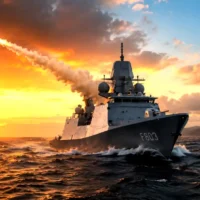
This new budget allows the Japanese military to buy powerful new weapons. The defense ministry plans to purchase 400 long-range Tomahawk cruise missiles from the United States. These new missiles will enable Japan to strike enemy bases from hundreds of miles away if an attack is imminent. China and Russia view these new counterstrike capabilities as a direct threat to their own military operations.
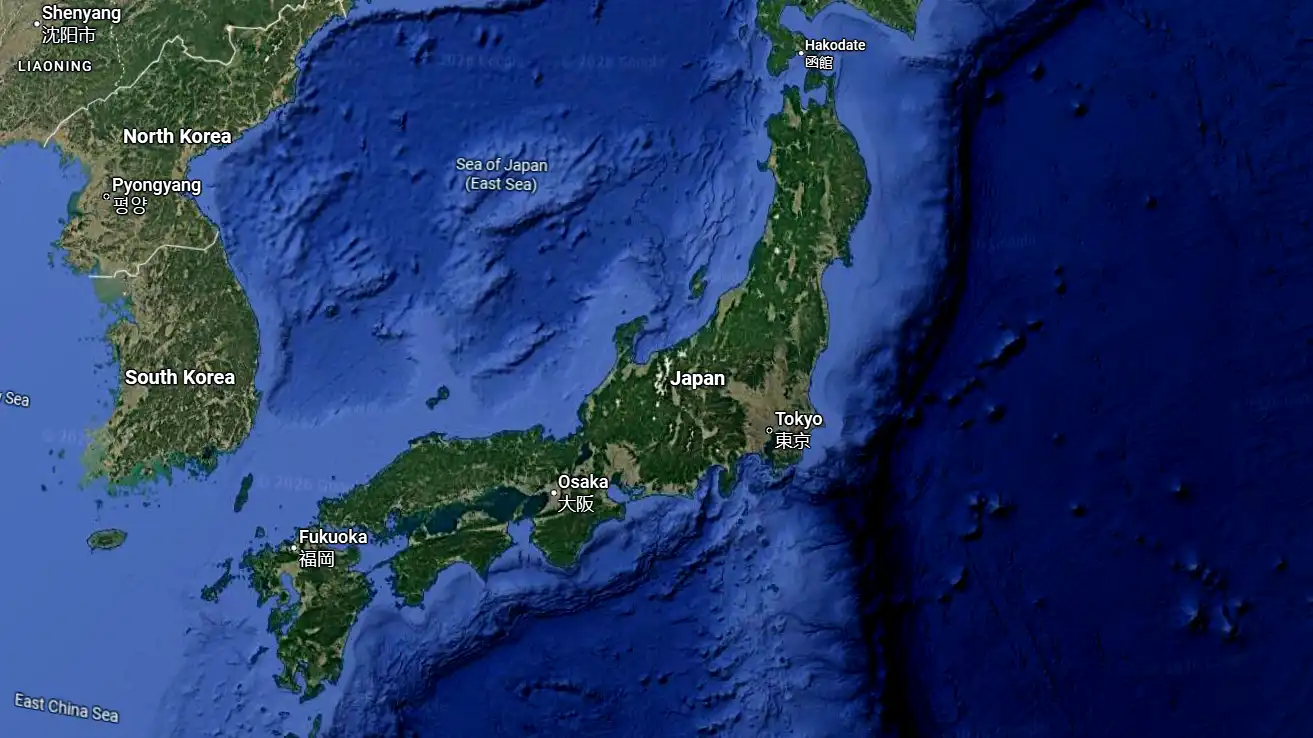
Japan argues these weapons are strictly necessary for national survival. Military planners face daily pressure from the combined forces of China and Russia. The Chinese navy constantly sends heavily armed coast guard ships into waters near the Senkaku Islands. Japan controls these tiny islands, but China claims they belong to Beijing. These daily incursions force the Japanese coast guard into tense standoffs that could easily spark a deadly shooting war.
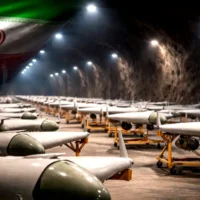
On top of the island disputes, Russian and Chinese military commanders recently increased their joint training exercises near Japanese territory. Over the past 36 months, the 2 militaries have organized several large-scale joint war games. In one specific incident, a combined fleet of 10 warships from both nations sailed directly through the narrow straits surrounding the Japanese home islands. Heavily armed bombers from both countries also conduct joint patrols near Japanese airspace regularly.
These aggressive military moves force the Japanese air force into constant action. Fighter pilots must scramble their jets roughly 800 times every single year to chase away foreign planes testing their borders. Tokyo views these joint naval and air patrols as a clear attempt to intimidate the Japanese public and test their military reaction times. The constant pressure leaves military commanders feeling exhausted and worried about a surprise attack.
Despite the massive $320 billion military buildup, Japanese leaders insist they are not breaking their own laws. The national constitution strictly limits the military to self-defense purposes only. Ozaki and other top government officials repeat constantly that Japan will never start a war or launch an unprovoked attack. They argue they are simply buying the necessary tools to protect their 125 million citizens in a highly dangerous geopolitical neighborhood.
The bitter exchange of words shows no sign of slowing down. As the 3 powerful nations continue to expand their military budgets, diplomats struggle to find common ground. The Beijing summit proves that China and Russia plan to stick together against American allies in the Pacific region. Meanwhile, Japan promises to keep building its defenses while demanding that its hostile neighbors change their dangerous ways.