
U.S. Secretary of State Marco Rubio said on Tuesday, May 26, 2026, that negotiating a peace deal with Iran could still take a few days. His cautious remarks temporarily crushed global hopes for an imminent end to the three-month-old conflict. The diplomatic setback happened just hours after the United States military launched fresh, highly destructive airstrikes in southern Iran. Despite the sudden flare-up, Rubio insisted that a solid 60-day framework remains on the table to stop the war and reopen the critical shipping lanes.
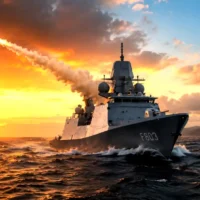
The military escalation shattered the fragile ceasefire that had largely held the line since April 8. On Monday evening, U.S. Central Command confirmed it launched several “self-defense” strikes in southern Iran’s Hormozgan province. Navy Captain Tim Hawkins, a military spokesman, stated that the strikes targeted mobile missile launch sites and fast Iranian boats attempting to lay mines in the international shipping lanes. The military claimed the operations protected American forces and safeguarded maritime trade.
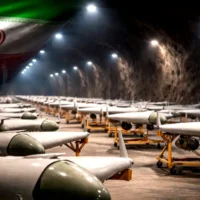
The government in Tehran reacted with intense anger, accusing the United States of committing a gross violation of the seven-week-old ceasefire. Iran’s foreign ministry released a statement on Tuesday morning, promising to leave no act of hostility unanswered. At the same time, Iranian news agencies reported that their military successfully shot down a hostile U.S. stealth drone using a brand-new, domestic air defense system. Iran’s Revolutionary Guards warned they reserve the full right to retaliate against these fresh ceasefire violations.
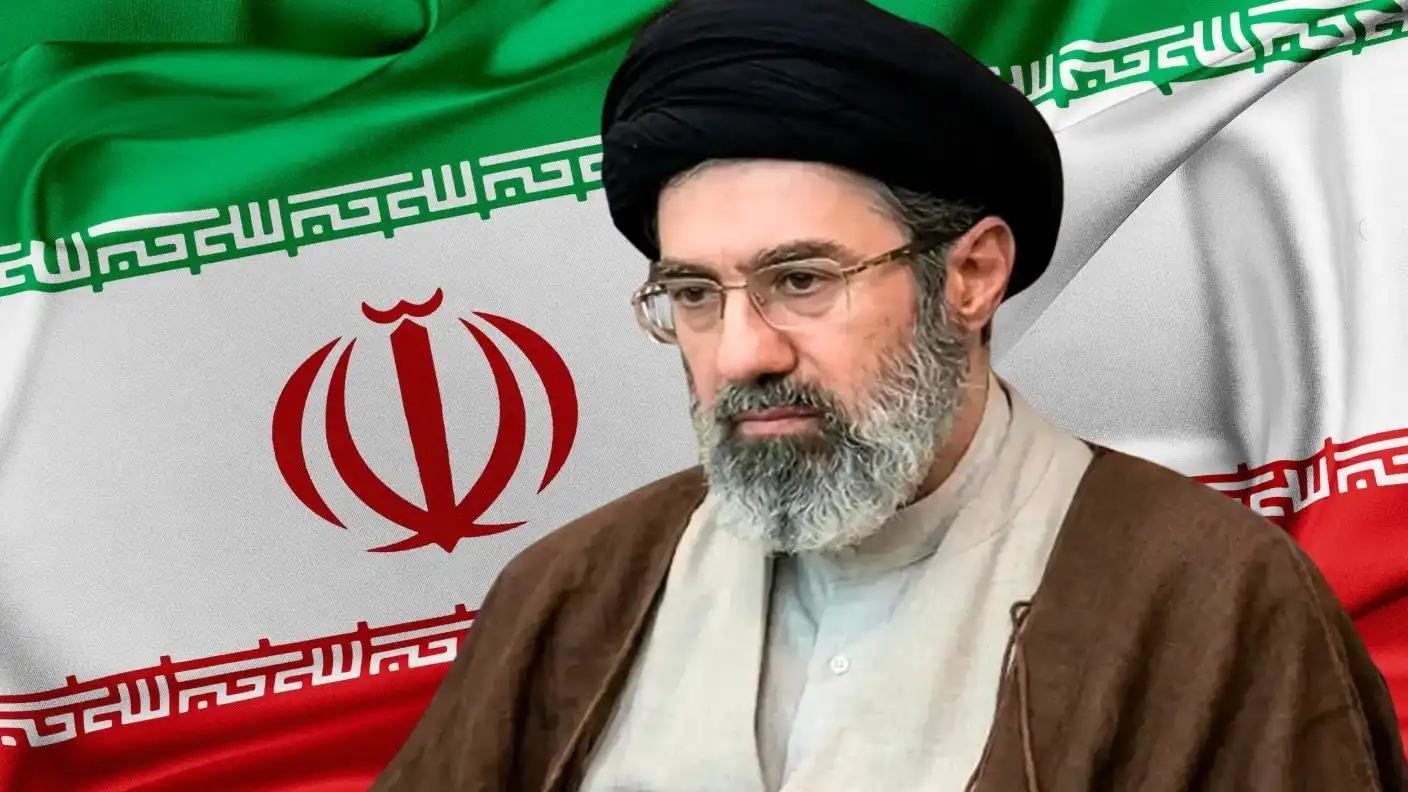
Iran’s newly elevated Supreme Leader, Mojtaba Khamenei, issued a direct warning to neighboring countries. He declared that Middle Eastern nations can no longer act as a shield or host U.S. military bases on their territory. Iran has repeatedly targeted regional powers that host American forces during the war, which originally erupted on February 28. The conflict has caused an unprecedented global oil supply shock, pushing up the costs of fuel, fertilizer, and basic food items.
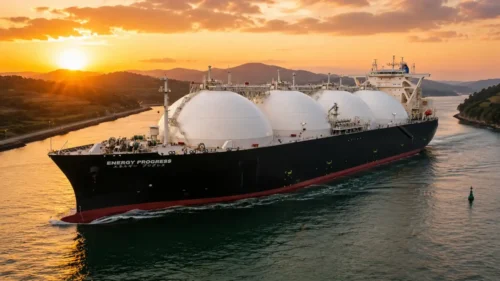
Speaking to reporters aboard his plane in Jaipur, India, Rubio took a firm stance on the shipping lanes. He stressed that the strategically vital Strait of Hormuz must remain open, declaring it will be open one way or the other. Under normal peacetime conditions, about 125 to 140 commercial vessels crossed the strait every single day, handling roughly 20 percent of the world’s daily oil and gas supply. Since the war started, shipping has collapsed to a tiny trickle, raising global inflation by 1.5% and costing international cargo companies over $1.5 billion every single week.
This sudden violence has thrown the delicate diplomatic negotiations into deep uncertainty. Both sides had previously indicated massive progress on a 14-point memorandum of understanding. The proposed deal would halt the war and temporarily reopen the Strait of Hormuz under a strict 60-day window. This temporary truce would give negotiators two months of breathing room to work out more complex issues, including a permanent resolution to Iran’s controversial nuclear enrichment program.
The U.S. airstrikes occurred right as top Iranian negotiators were visiting Doha, Qatar. Iranian Parliament Speaker Mohammad Bagher Ghalibaf and Foreign Minister Abbas Araqchi traveled to the Qatari capital to hold direct talks with Qatar’s prime minister. The negotiators are trying to hammer out the final details of the deal, which reportedly includes a U.S. agreement to unfreeze approximately $24 billion in Iranian assets in exchange for Tehran surrendering or destroying its highly enriched uranium stockpile.
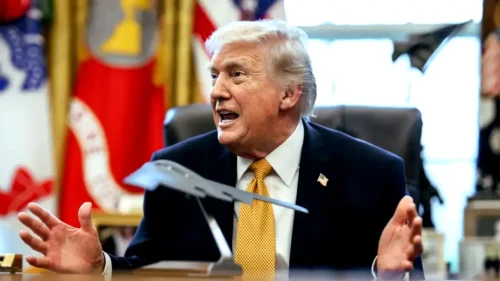
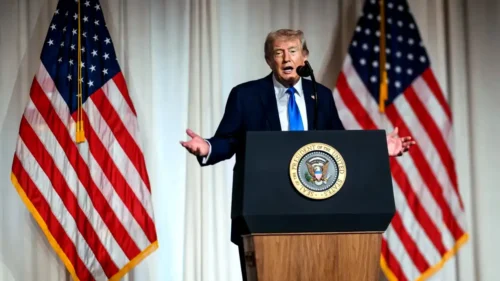
President Donald Trump posted his own warning on Truth Social, keeping the pressure on Tehran high. While he admitted that the peace discussions were going nicely behind the scenes, he promised to launch fresh, massive attacks if the negotiations fail. Trump reiterated that he will never allow Iran to possess a nuclear weapon, insisting that the Iranian government must immediately turn over its entire enriched uranium stockpile to the United States to be destroyed.
The sudden return to hostilities quickly sent shockwaves through the global commodity markets. Investors grew less confident about a swift end to the conflict, pushing Brent crude oil futures up by 3.89% to trade near $98.87 a barrel, clawing back the heavy losses from earlier in the week. Financial analysts warn that if the peace talks completely collapse, global oil prices could easily shoot past $120 a barrel, threatening to plunge the global economy into a severe recession.