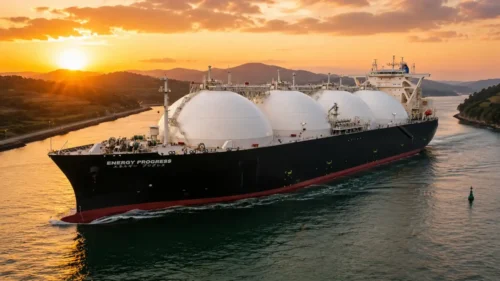

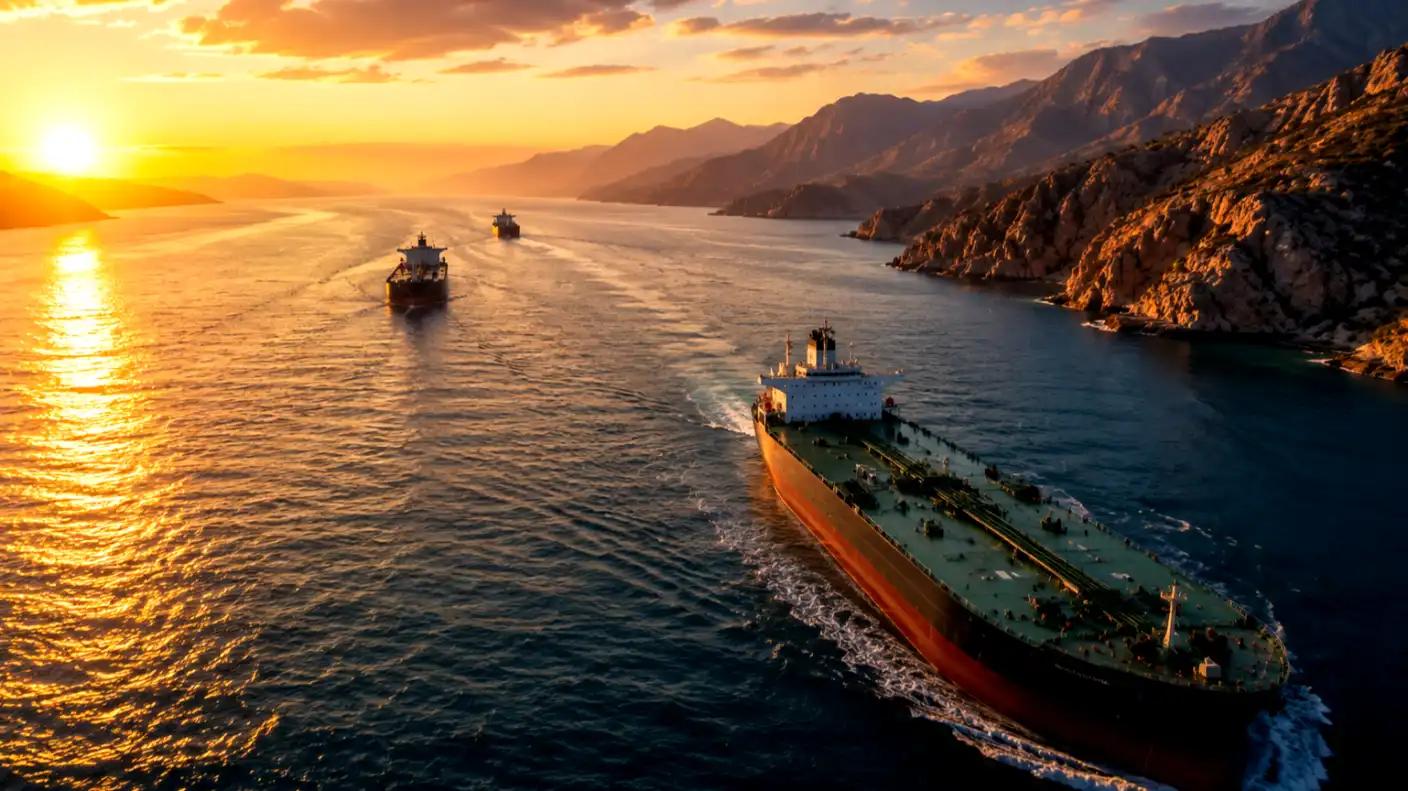
Iranian forces seized a commercial ship off the coast of the United Arab Emirates on Thursday and forcibly steered it toward Iranian waters. This aggressive action took place just as U.S. President Donald Trump and Chinese President Xi Jinping met to discuss the worsening global energy crisis. The two leaders agreed they must reopen the Strait of Hormuz immediately. Before the current war broke out, this narrow and crucial waterway handled about 20 percent of all global oil and liquefied natural gas supplies.
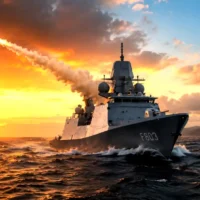
The United States and Israel launched a major war against Iran on February 28. The conflict immediately caused the largest disruption in global energy markets in history, pushing global shipping costs up by nearly 1.5 percent overnight. Iran quickly responded by closing the Strait to all foreign vessels. The U.S. military paused direct attacks on Iranian soil last month but set up a strict naval blockade around Iran’s major sea ports. The blockade aims to choke off revenues that fund the Iranian military machine. Experts estimate the blockade currently costs Tehran over $1 billion a week in lost international trade.
Violence continues to plague the regional shipping lanes. On Wednesday, a missile or drone struck and sank an Indian cargo vessel in the open waters off the coast of Oman. The ship carried livestock from Africa to the UAE. Fortunately, the Omani coast guard rushed to the scene and rescued all 14 crew members from the water. British maritime security firm Vanguard reported the explosion and confirmed the details of the attack. Indian government officials quickly condemned the military strike.
Another hostile incident followed on Thursday. British maritime agency UKMTO reported that unauthorized armed men boarded an anchored ship near the UAE port of Fujairah. Vanguard later confirmed that Iranian personnel took full control of the vessel while it waited at anchor. They then forced the captive crew to steer the ship across the Gulf of Oman toward mainland Iran. Fujairah is the only oil port in the UAE outside the dangerous Strait of Hormuz. Last week, Iran released a new map claiming total control over these exact waters.
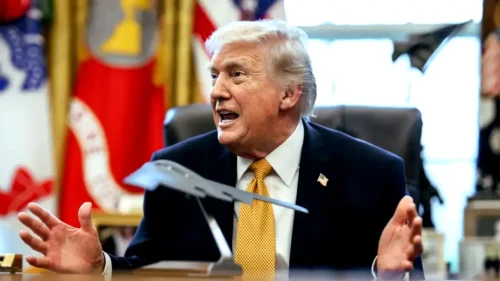
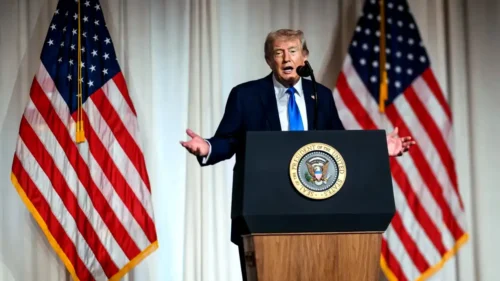
Meanwhile, high-level diplomacy remains a difficult struggle. Trump desperately wants China to help end a war that hurts his political chances in the upcoming November midterm elections. During their Thursday meeting, Xi told Trump that China strongly opposes the militarization of the strait. He also rejected any plans by Iran to charge a transit toll for cargo ships. To reduce reliance on Middle Eastern oil, Xi showed interest in buying more American energy products. Both men agreed Iran must never build nuclear weapons. U.S. Treasury Secretary Scott Bessent told reporters that he expects China to help reopen the trade routes because doing so would serve China’s economic interests.
Some ships have started moving through the strait again under special backdoor agreements. Iran recently allowed a Japanese tanker to pass after Japan’s prime minister directly asked the Iranian president for a diplomatic favor. A massive Chinese tanker also passed through on Wednesday. Iran’s Fars news agency claimed that Tehran had reached a formal deal to allow certain Chinese vessels to travel safely through the region.
Iran’s Revolutionary Guards announced that 30 ships had successfully crossed the strait since Wednesday evening. Shipping analytics company Kpler offered a much lower number, tracking only 10 ships in the past 24 hours. Even the higher claim of 30 ships falls far short of the 140 vessels that crossed the strait every single day before the war began. Still, it marks a big jump from the five to seven ships sneaking through daily over the past few weeks. Iranian spokesperson Asghar Jahangir defended the latest ship seizures. He stated that taking U.S. tankers violates no domestic or international laws.
The ongoing war carries a heavy and growing human toll. U.S. and Israeli airstrikes killed thousands of Iranians during the first few weeks of intense fighting. Thousands more died in Lebanon after the war restarted, with heavy combat between Israel and the armed group Hezbollah. However, diplomats see a very small chance for peace. Lebanese and Israeli officials held productive talks in Washington on Thursday. A senior State Department official said the two sides plan to meet again on Friday to continue negotiations.
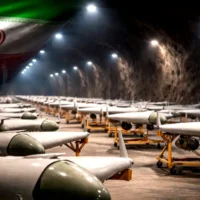
The U.S. military claims it has heavily damaged Iran’s combat strength. Admiral Brad Cooper told a U.S. Senate committee on Thursday that American forces significantly degraded Iran’s ability to threaten its regional neighbors. He stated that Iran can no longer project military power the way it did before the war. Yet, Cooper refused to answer direct questions about reports showing Iran still holds a massive stockpile of hidden missiles and deadly drones.
Trump says he started the war to destroy Iran’s nuclear facilities, stop its regional attacks, and help Iranian citizens overthrow their government leaders. So far, the regime change plan has failed. Iran’s leaders crushed domestic protests earlier this year and face no real organized opposition today. Shutting down the shipping strait actually gave Tehran a powerful bargaining chip. Now, the U.S. demands Iran hand over its enriched uranium. In return, Iran demands that the U.S. lift all economic sanctions, pay reparations for the war damage, and officially recognize Iranian control over the Strait of Hormuz.