
Israel and Lebanon have agreed to implement a highly anticipated ceasefire to end hostilities along their shared border. According to a joint statement from the U.S. State Department on Wednesday, June 3, 2026, the diplomatic breakthrough has boosted hopes for a broader agreement to end the ongoing war with Iran. However, the regional security situation remains incredibly fragile. Just hours before negotiators announced the truce, a series of violent clashes erupted across the Persian Gulf, with Iran launching a destructive drone attack on Kuwait’s international airport and the U.S. military executing retaliatory strikes near the strategic Strait of Hormuz.
The newly announced Israel-Lebanon ceasefire hinges on a complete cessation of fire from the Iran-aligned Hezbollah militia. Under the strict terms of the agreement negotiated in Washington, Hezbollah must evacuate all of its military operatives and hardware from the South Litani Sector, establishing a demilitarized zone near the Israeli border. The two nations had originally agreed to a tentative truce last month, but active hostilities continued regardless. The conflict intensified in March 2026 when Israel launched a ground invasion of southern Lebanon to pursue Hezbollah, which had fired rocket barrages across the border in support of Tehran.
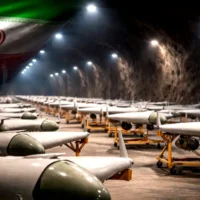
While diplomats worked to secure the Lebanese border, direct military skirmishes in the Gulf threatened to drag the region back into an all-out war. Early on Wednesday, an Iranian drone and missile attack struck Kuwait International Airport, causing severe damage to the terminal facilities and nearby diplomatic missions. Kuwaiti authorities and state media confirmed that the blast killed one person and injured more than 60 others, forcing officials to suspend all commercial flights temporarily. Although local airlines like Kuwait Airways and Jazeera Airways later resumed flights after implementing strict safety measures, the strike highlighted the high risks facing civilian infrastructure.
The attack on Kuwait has triggered a fierce war of words between Washington and Tehran. Iran’s elite Revolutionary Guards quickly issued a statement denying any responsibility for the airport strike. Instead, they blamed the destruction on failed U.S. interceptor missiles that exploded before hitting their targets. The U.S. military strongly rejected this explanation as completely inaccurate, asserting that Iranian drones deliberately and systematically targeted the commercial airport. This dispute has further eroded trust between the warring parties, making it difficult for mediators to keep the wider peace process on track.
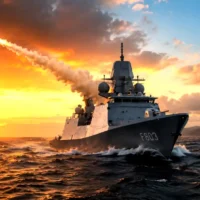
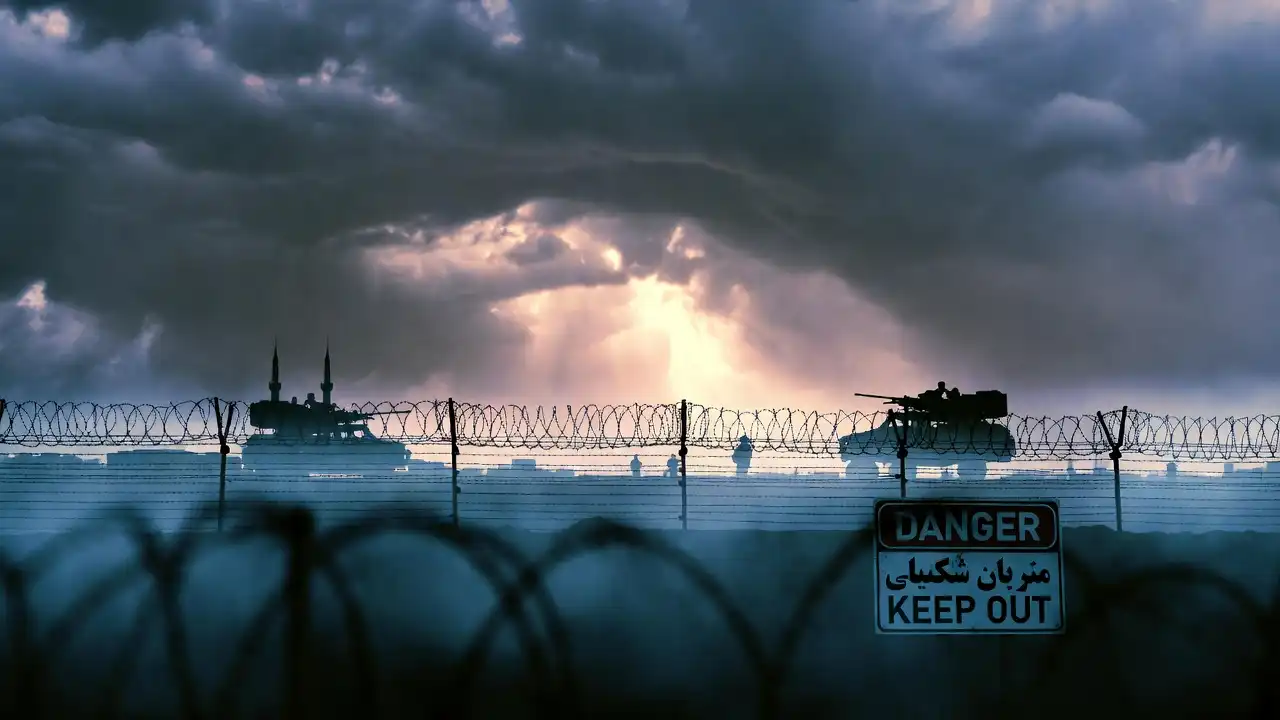
Beyond the airport strike, the Revolutionary Guards also claimed they had launched successful missile strikes against a U.S. airbase and the headquarters of the U.S. Fifth Fleet in Bahrain, as well as a merchant vessel named Panaya. However, U.S. Central Command (CENTCOM) quickly denied these claims, stating that its regional bases suffered zero hits. CENTCOM revealed that Iranian ballistic missiles failed to strike their targets due to rapid interceptions by allied air defense networks. In retaliation, the U.S. military launched a new round of defensive strikes in southern Iran, targeting missile launch sites, mine-laying boats, and military outposts on Qeshm Island near the mouth of the Strait of Hormuz.
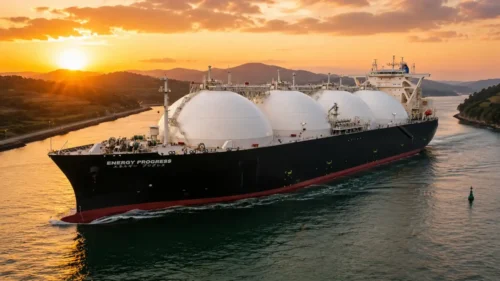
These recurring military flare-ups have taken a heavy toll on the global economy, directly impacting international energy supplies. The ongoing hostilities in the Gulf sent oil prices up by nearly 2% on Wednesday as the Strait of Hormuz remains largely closed to commercial traffic. Since the U.S. and Israeli strikes on Iran began on February 28, 2026, the vital shipping channel—which previously handled roughly 20% of the world’s daily crude oil and liquefied natural gas shipments—has operated at a fraction of its normal capacity, causing severe economic pain and driving up consumer fuel prices worldwide.
The latest clashes are testing the limits of a fragile ceasefire agreed between the U.S., Israel, and Iran in early April. While both Washington and Tehran signaled progress last week toward a tentative initial agreement to halt the war, the two sides have yet to sign off on the deal. Iran’s Foreign Minister Abbas Araqchi confirmed on Wednesday that while talks have not been cut off, negotiators have made no significant progress. In addition to demanding an end to the fighting in Lebanon, Tehran is insisting on access to billions of dollars in frozen oil revenues, the lifting of the U.S. port blockade, and continued leverage over the Strait of Hormuz.
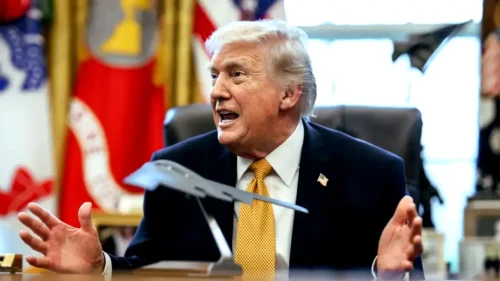
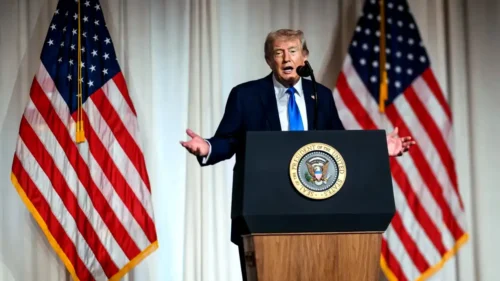
Despite the diplomatic deadlock, U.S. President Donald Trump has publicly insisted that a breakthrough is within reach, suggesting that negotiators could finalize a deal as early as this weekend. Speaking to reporters in the White House’s Oval Office on Wednesday, Trump stated that his top priority remains preventing Iran from acquiring nuclear weapons. In a podcast interview released the same day, Trump claimed that Iran has already agreed to freeze its atomic program and that Iranian Supreme Leader Ali Khamenei is actively involved in the negotiations. Trump added that negotiators are currently working to separate the complex issue of reopening the Strait of Hormuz from the localized conflict in Lebanon.
The push for a diplomatic settlement has also created intense political friction between the United States and its closest regional ally. During his podcast interview, Trump acknowledged that he had called Israeli Prime Minister Benjamin Netanyahu “crazy” during a heated, expletive-filled phone exchange over the fighting in Lebanon. Trump revealed that he bluntly told Netanyahu that they had to stop the offensive to secure the wider peace deal. Netanyahu later downplayed the exchange during a CNBC interview, explaining that while he and Trump occasionally have tactical disagreements, they remain in complete agreement on the main strategic issues concerning Iran.
In the end, the newly announced Israel-Lebanon ceasefire represents a vital but highly precarious step toward regional stability. While the truce offers hope that negotiators can de-escalate the broader war, the ongoing military exchanges in the Persian Gulf show that the path to peace is filled with obstacles. Until the United States and Iran can finalize their tentative agreement, reopen the Strait of Hormuz, and establish a permanent security framework, the Middle East will remain on a knife-edge. For now, the international community must wait to see if Trump’s weekend deadline will bring a historic diplomatic breakthrough or if the region will plunge back into all-out war.