
The Japanese parliament on Friday enacted a landmark revised law to significantly strengthen the screening of foreign investments in the country significantly. By establishing a powerful, cross-ministerial panel modeled directly on the famous Committee on Foreign Investment in the United States, Japan aims to prevent foreign rivals from stealing critical industrial technologies and classified intelligence. This major legislative update comes at a critical time as global economic competition among China, the United States, and Europe continues to intensify.
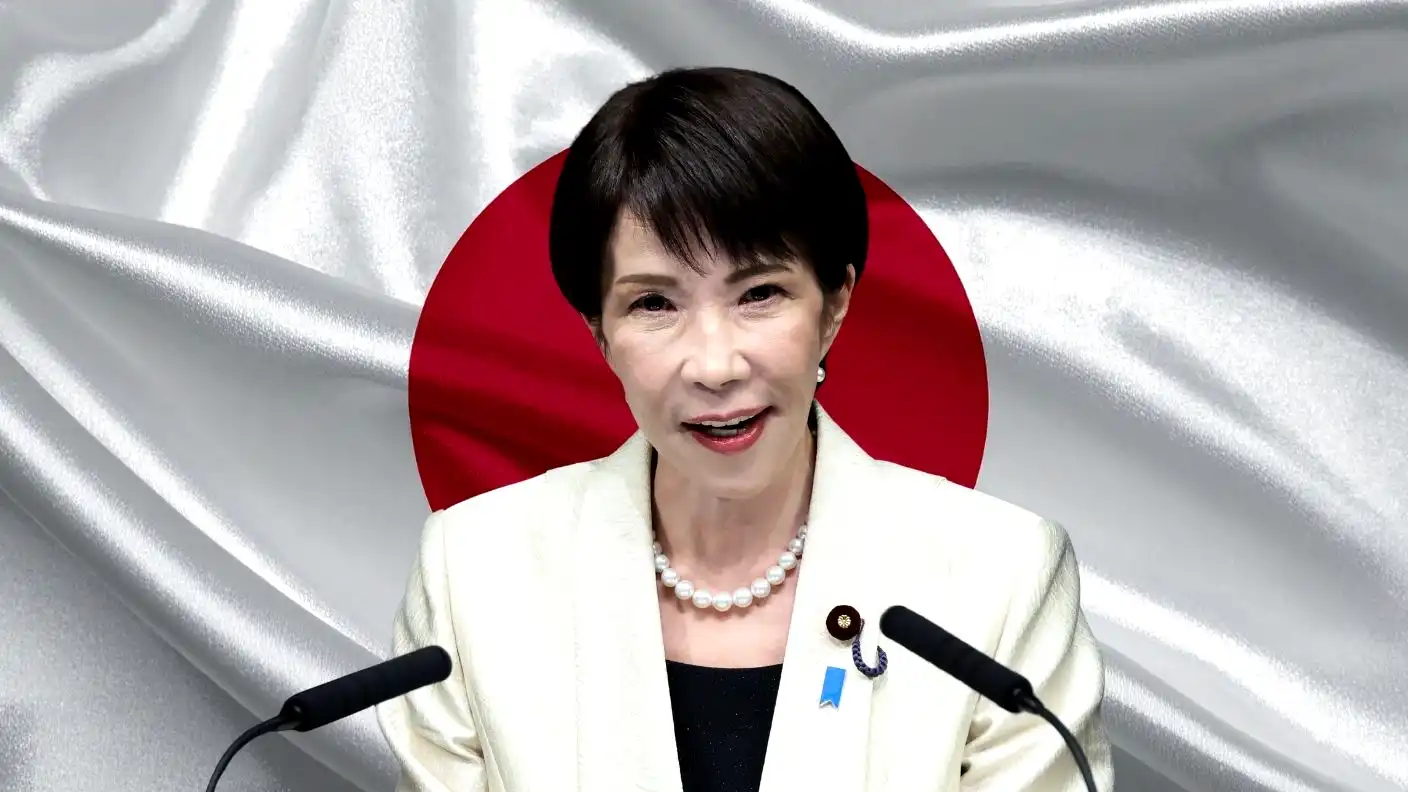
The sweeping revision of the Foreign Exchange and Trade Law officially paves the way for establishing a Japanese version of the American screening committee. This new setup will drastically expand the scope of prescreening for any investments that could threaten Japan’s national economic security. The government of Prime Minister Sanae Takaichi initiated the reform to ensure that authorities can easily identify and block corporate acquisitions that they consider highly risky.
The revised law officially cleared its final legislative hurdle on Friday when the House of Councilors approved the bill. The House of Representatives had already cleared the legislation earlier, signaling a strong bipartisan consensus across the government to defend the nation’s technological assets. Under the older, standard version of the foreign exchange law, the government had to prescreen foreign buyers only when they acquired a specific shareholding in domestic companies operating in critical, sensitive industries.
These critical sectors have historically included high-security industries such as nuclear power generation, military defense, aerospace and aviation, and electricity grids. However, under the new amendment, the government can launch reviews in many more situations. For example, the new panel will conduct security screenings even when a foreign company acquires a separate foreign company that already holds a major stake in a Japanese business, effectively closing an indirect backdoor loophole.
The revised law also gives the government the power to investigate companies with bad histories. If security officials deem a threat level particularly high—such as when an investment comes from a firm that has previously violated Japan’s trade laws—the panel can launch a retroactive review of the company’s activities. They can do this even if the company operates in industries not currently covered by the foreign exchange law, giving the administration incredible regulatory flexibility.
In addition, the amendment targets local proxies. If regulators recognize a Japanese investor as being under the direct influence of a foreign government, they will officially classify that individual or firm as a foreign investor. This classification legally forces them to submit detailed documents of their business operations and funding sources to the government. This rule prevents hostile foreign states from using local front companies to buy up sensitive technologies.
The new, high-tech panel completely reorganizes how Japan screens investments. Previously, the Ministry of Finance and the ministry responsible for the targeted business sector conducted the reviews jointly. Under the new model, the Ministry of Finance and the National Security Secretariat at the Cabinet Office will co-chair the unified panel. Representatives from the Foreign Ministry, the Ministry of Economy, Trade and Industry, and the Defense Ministry will also participate to ensure a unified national security approach.
The Japanese government did not wait for the new law to pass before showing its increased vigilance. In April, the administration called on the Asia-based private equity firm MBK Partners to shelve its highly publicized, multi-million-dollar plan to buy Makino Milling Machine Company. Makino is a major high-tech machine tool manufacturer in Japan. The government invoked the foreign exchange control law to issue its recommendation because officials feared the proposed takeover would allow sensitive data on advanced machine-tool technologies to fall into foreign hands. This single blocked acquisition protected a critical segment of Japan’s machine tool market, which represents over $1.5 billion in annual global exports.
This new Japanese watchdog is remarkably similar to the American Committee on Foreign Investment in the United States, commonly known as CFIUS. In America, CFIUS has absolute legal authority to determine whether foreign investments pose a threat to national security. If the committee identifies a problem, it can advise the president to block the transaction. Recently, CFIUS made massive global headlines when it launched a detailed review of the controversial bid by Japan’s own Nippon Steel Corporation to buy United States Steel Corporation.
Ultimately, the passage of this strict new trade law shows that Japan is determined to protect its industrial crown jewels. As the global technological arms race accelerates, protecting advanced research and software has become just as important as building missiles. By spending over $1 billion to establish this powerful new screening panel, Prime Minister Takaichi’s government is sending a clear warning to foreign state-backed firms. If you want to buy Japanese technology, you must first prove that your money does not threaten the nation’s safety and security.