

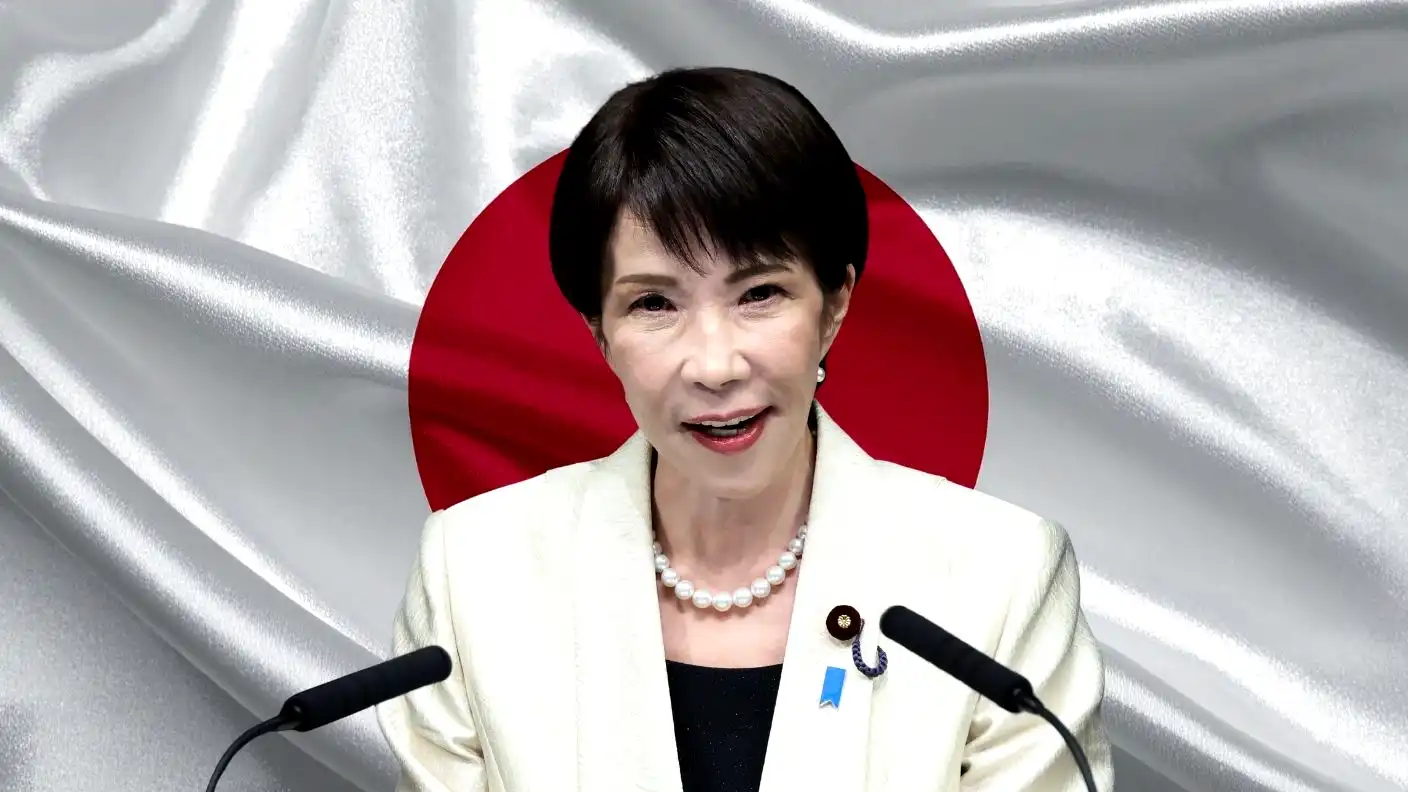
The Japanese government plans to draft a brand new supplementary budget for the 2026 fiscal year. Officials desperately want to protect ordinary citizens from the crushing financial weight of high crude oil prices. The ongoing military conflict in the Middle East continues to drive global energy costs through the roof, forcing leaders in Tokyo to take immediate action.
Politicians from across the political spectrum are pushing hard for this massive new financial plan. Leaders inside the ruling party and members of the opposition groups rarely agree on government spending. However, both sides now demand immediate government action to stop the rapidly rising cost of living before it completely ruins the domestic economy.
The raging war involving Iran sits at the very center of this massive economic headache. Violent military strikes and heavily blocked shipping lanes in the Middle East constantly disrupt the global flow of crude oil. Because Japan imports nearly 100 percent of its oil from foreign countries, any delay or physical threat in the Middle East immediately raises gasoline prices in Tokyo.
Last year, the government set aside massive reserve funds to help working families survive the inflation wave. Officials dedicated more than 1 trillion yen in the fiscal 2025 budget to fix the problem. In American dollars, that emergency fund amounts to roughly $6.3 billion. They designed this huge pile of cash specifically to fight the rising cost of daily necessities and keep the country moving.
Lawmakers currently use these reserve funds to pay for direct fuel subsidies. The government gives cash directly to major oil wholesalers so those companies can lower the final price of gasoline at local retail pumps. This specific strategy keeps fuel costs manageable for delivery truck drivers, local farmers, and everyday commuters driving their cars to the office.
Despite the massive size of the 2025 reserve fund, panic is quickly setting in among financial leaders. The unpredictable nature of the Iran conflict means global oil prices could spike even higher tomorrow morning. Financial experts warn that the $6.3 billion reserve fund could run completely dry well before the end of the year if the war expands.
High oil prices do not just punish drivers at the gas station. When diesel fuel costs rise, regional supermarkets must pay more to transport fresh vegetables and raw meat across the country. Grocery stores then pass those extra shipping costs directly on to everyday shoppers. This chain reaction makes a simple dozen eggs or a 5-kilogram bag of rice much more expensive for regular families.
The historically weak Japanese yen makes the current situation even worse for the island nation. When the local currency loses value against the United States dollar, Japan must spend significantly more to buy the same barrel of crude oil. This currency problem acts like a massive double tax on the national energy supply.
Small business owners face extreme financial pressure right now. Local fishing crews can barely afford the high cost of diesel fuel they need to take their boats out into the deep ocean. Factory owners struggle every month to pay their massive electricity bills. If the government fails to pass this new budget, thousands of small companies could go completely bankrupt by the end of 2026.
Government insiders say the finance ministry will begin crunching the hard numbers for the 2026 supplementary budget very soon. Cabinet members will likely hold emergency meetings over the next 14 days to finalize the package. Lawmakers need to act quickly before the freezing winter months arrive. When the snow falls, regular families need extra heating oil to keep their homes warm. Citizens strongly hope the government approves the new funds before their monthly utility bills become impossible to pay.















